Categories
Window Tinting and Film

Testing the Limits of Window Security Films for Home Protection

# Testing the Limits of Window Security Films for Home Protection

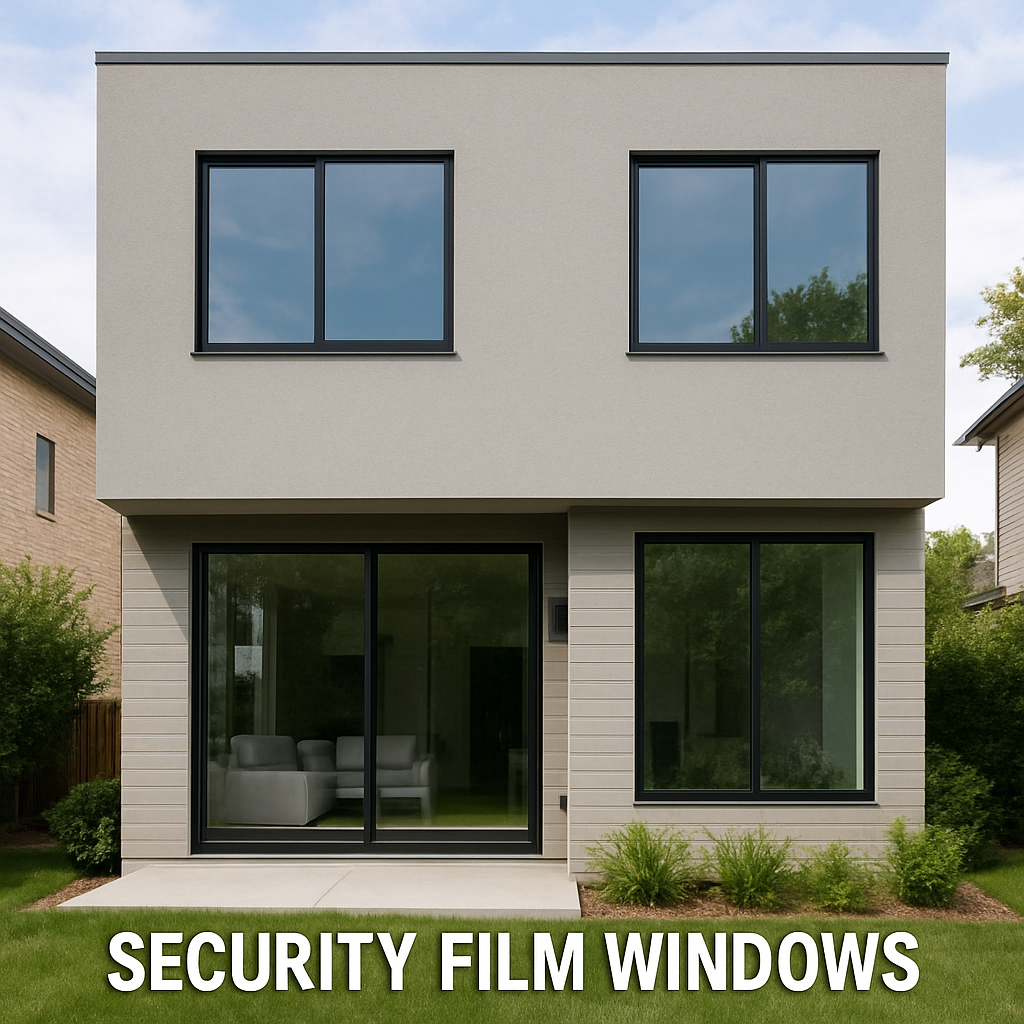
Home security is a top priority for many homeowners, and finding effective solutions that don’t compromise aesthetics can be challenging. One innovative solution that has gained popularity is window security films. These films offer a blend of protection and style, making them an excellent choice for enhancing your home’s security while maintaining its visual appeal. If you’re looking to protect with security window films, understanding how they function and perform under stress is essential.

In this article, we’ll explore the benefits of window security films, how they work, and what makes them a valuable addition to any home. We’ll also examine how these films are tested to ensure their effectiveness and durability.

Understanding Window Security Films

Window security films are specialized films applied to glass surfaces to enhance their strength and resistance to breakage. They are designed to hold shattered glass together, providing an additional layer of security against break-ins, accidents, and even natural disasters.

Key Benefits

  1. Enhanced Security: The primary purpose of window security films is to deter break-ins by making it more difficult for intruders to penetrate the glass. The film holds shattered pieces together, creating a barrier that takes longer to breach.
  2. UV Protection: These films can block up to 99% of harmful UV rays, protecting your home’s interior from fading and reducing glare. According to the U.S. Department of Energy, properly selected window coverings and films can significantly reduce heat gain and improve indoor comfort. You can also explore UV-blocking window films to better understand how advanced films reduce solar damage.
  3. Energy Efficiency: By reducing heat gain in the summer and heat loss in the winter, window security films can improve your home’s energy efficiency, leading to lower energy bills.
  4. Safety in Accidents: In the event of an accident or natural disaster, the film helps prevent shards of glass from scattering, reducing the risk of injury. Organizations such as FEMA emphasize the importance of mitigating flying glass hazards during extreme weather events.
  5. Privacy and Style: Available in various tints and designs, window security films can also enhance privacy and add a stylish touch to any room.

How Window Security Films Work

Window security films are made from a tough polyester material, which is applied to the interior surface of the glass. The film’s adhesive bonds tightly to the glass, ensuring that if the glass is broken, the pieces remain in place. Industry standards and testing methods are often guided by organizations such as the International Window Film Association (IWFA), which promotes quality and performance standards within the window film industry. Testing protocols may also reference impact resistance standards developed by the National Institute of Standards and Technology (NIST) to evaluate material durability and structural performance.

Types of Films

  • Clear Security Films: These films provide protection without changing the appearance of your windows. They are ideal for homeowners who want to maintain their view and natural light.
  • Tinted Films: These offer additional benefits like glare reduction and increased privacy. Tinted films can also add a layer of style to your home.
  • Reflective Films: Reflective films enhance privacy by making it difficult to see inside during daylight hours, while still allowing you to see out.
Different types of window films

Testing the Durability and Effectiveness

Before window security films are recommended for home use, they undergo rigorous testing to ensure their effectiveness and durability. These tests simulate real-world conditions to assess how well the films perform under stress. Many performance benchmarks align with glass safety standards from organizations like ASTM International, which develops globally recognized testing standards for building materials.

Breakage Tests

One of the primary tests involves subjecting the film-coated glass to impact forces. This simulates attempts to break the glass, whether from a burglar or during an accident. The film must hold the glass together even when cracked.

UV and Weather Resistance

Window films are also tested for their ability to withstand prolonged exposure to UV rays and harsh weather conditions. This ensures that they continue to perform effectively without peeling or fading over time.

Adhesion Strength

The bond between the film and the glass is critical. Tests measure the adhesive’s strength to ensure that the film remains securely attached, even when subjected to force.

Installation Process

Proper installation is crucial for the effectiveness of window security films. While some may choose to install the film themselves, professional installation is recommended to ensure optimal performance and longevity.

Steps in Installation

  1. Surface Preparation: The glass surface must be thoroughly cleaned to remove any dirt or residue that could affect the adhesive.
  2. Cutting and Application: The film is carefully measured and cut to fit the window perfectly. It is then applied to the glass, starting from one side and smoothing it out to prevent air bubbles.
  3. Final Touches: Any excess film is trimmed away, and the edges are sealed to ensure a neat and secure finish.
Professional installing window film

Photo by William F. Santos on Unsplash

Choosing the Right Film for Your Home

Selecting the right window security film depends on your specific needs and preferences. Consider factors such as the level of security desired, aesthetic preferences, and additional features like UV protection or energy efficiency.

Tips for Selection

  • Consult with Experts: Speaking with a professional installer or a home improvement expert can help you make an informed decision.
  • Evaluate Your Needs: Consider what is most important for your home—security, energy efficiency, or aesthetics—and choose a film that meets those needs.
  • Check Warranties: Quality films often come with warranties that guarantee their performance for a certain period. Ensure you understand the terms and conditions.

Conclusion

Window security films offer a versatile solution for homeowners looking to enhance the security and efficiency of their homes without sacrificing style. By understanding how these films work and the benefits they provide, you can make an informed decision to improve your home’s safety and comfort.

Whether you’re an interior designer seeking innovative solutions or a homeowner focused on security, window films are a valuable investment in your property’s protection and aesthetic appeal. With professional installation and the right choice of film, you can enjoy peace of mind and a more secure living environment.

Categories
Window Tinting and Film

Lifespan of Window Tinting How Many Years Does It Really Last

When it comes to enhancing your living space with both style and functionality, window tinting is a popular choice. However, a common question that both homeowners and interior designers frequently ask is: how long does window tinting really last? Understanding the lifespan of window tinting is crucial for making informed decisions that offer long-term benefits and ensure your investment is worthwhile.

Window tinting not only adds an aesthetic appeal to your home but also provides numerous functional advantages, such as improved energy efficiency and enhanced privacy. With the right type of film and proper installation, window tinting can transform your living space while also reducing energy costs and protecting your interiors from harmful UV rays. Therefore, knowing the factors that influence the longevity of window tinting can help in selecting the right type of film and ensuring it stands the test of time.

Window tinting involves applying a thin laminate film to the interior or exterior of glass surfaces in homes or buildings. This film offers numerous benefits, including reducing glare, enhancing privacy, and improving energy efficiency by blocking harmful UV rays. Additionally, window tinting can add a layer of safety by holding shattered glass together in case of breakage, minimizing the risk of injury.

The process of window tinting can vary based on the type of film used and the surface it is applied to. It requires precision and expertise, as the film must be carefully cut and adhered to the glass to avoid bubbles and ensure a smooth finish. This is why professional installation is often recommended to maximize the effectiveness and lifespan of the tinting.

Types of Window Tinting

The lifespan of window tinting largely depends on the type of film used. Here are some common types of window tinting films, each offering distinct advantages and considerations:

  • Dyed Films: These are the most affordable and offer good glare reduction. However, they are more prone to fading over time. Dyed films absorb solar heat and prevent some of it from entering your home, but they may lose their effectiveness as they fade.
  • Metalized Films: These contain tiny metallic particles that reflect heat and light. They are durable but can interfere with electronic signals. Metalized films provide a shiny appearance and are known for their strength and scratch resistance.
  • Ceramic Films: These offer excellent heat reduction and UV protection without affecting electronic devices. They are also the most durable option. Ceramic films do not fade over time and maintain their clarity, making them a long-lasting choice.
  • Hybrid Films: These combine dyed and metalized films for a balance of benefits and are moderately priced. Hybrid films aim to reduce the disadvantages of dyed and metalized films while enhancing their strengths, offering a versatile solution.

Factors Affecting the Lifespan of Window Tinting

Factors affecting window tint lifespan

The lifespan of window tinting can vary based on several factors. Understanding these factors can help you select the best film and ensure it lasts as long as possible. Here’s what you need to know:

Quality of Film

High-quality films are designed to last longer and perform better over time. Investing in premium films can enhance the longevity and effectiveness of your window tinting. Quality films are often manufactured to withstand harsh weather conditions and resist fading, ensuring they continue to provide benefits for years.

It’s important to consider the manufacturer’s warranty when selecting a film, as this can provide insight into the expected lifespan and quality of the product. Premium films may come with longer warranties, reflecting their durability and performance capabilities.

Installation Quality

Professional installation plays a crucial role in determining how long your window tinting will last. Poor installation can lead to bubbling, peeling, or premature wear. Expert installers have the skills and tools to apply the film correctly, ensuring it adheres smoothly and securely to the glass.

Proper installation also involves careful preparation of the glass surface to remove any dirt or debris that could affect adhesion. This attention to detail can prevent common issues such as air bubbles or edge peeling, which can compromise the tint’s appearance and functionality.

Climate and Sun Exposure

Regions with intense sunlight or extreme weather conditions can affect the durability of window tinting. Films exposed to constant, direct sunlight may degrade faster than those in shaded areas. High UV exposure can cause some films to fade or lose their effectiveness over time, particularly in hotter climates.

In areas with harsh winters, the expansion and contraction of glass due to temperature fluctuations can also impact the film’s integrity. Choosing a film designed to withstand your local climate conditions can help ensure a longer lifespan and consistent performance.

Maintenance Practices

Proper maintenance can significantly extend the lifespan of window tinting. Regular cleaning with non-abrasive solutions and avoiding sharp tools can prevent damage. Keeping the film clean helps maintain its appearance and performance by preventing dirt buildup or scratches.

Additionally, addressing any damage or wear promptly can prevent small issues from becoming larger problems that require costly replacements. Following manufacturer guidelines for cleaning and maintenance can help preserve the film’s quality and prolong its effectiveness.

Expected Lifespan of Window Tinting

The typical lifespan of window tinting ranges from 5 to 15 years, depending on the factors mentioned above. High-quality ceramic films installed by professionals in moderate climates can last up to 20 years. This longevity makes them a worthwhile investment for homeowners seeking long-term benefits.

Signs Your Window Tinting Needs Replacement

  • Fading or Discoloration: Over time, the tint may lose its color, reducing its effectiveness and aesthetic appeal. Faded film may allow more heat and UV rays to penetrate, diminishing its protective capabilities.
  • Bubbling or Peeling: This indicates poor installation or degradation of the adhesive. Bubbles or peeling can affect the film’s appearance and reduce its effectiveness in blocking heat and UV rays.
  • Reduced Heat or Glare Reduction: If you notice increased heat or glare, it might be time to replace your tinting. Decreased performance can result from film deterioration, impacting your comfort and energy efficiency.

Maximizing Window Tint Lifespan

Proper maintenance of window tint

by Garvit Nama (https://unsplash.com/@garvitnama)

To get the most out of your window tinting investment, consider these maintenance tips. Proper care and attention can help your tinting last longer and perform better throughout its lifespan.

Regular Cleaning

Clean your tinted windows with a soft cloth and mild soap solution. Avoid ammonia-based cleaners that can damage the film. Regular cleaning helps maintain the film’s clarity and ensures it continues to block heat and UV rays effectively.

By using gentle cleaning products, you can prevent scratches or other damage that might compromise the film. A clean, well-maintained tint not only looks better but also performs optimally, providing continuous benefits.

Inspect for Damage

Regularly inspect your window tinting for signs of wear and tear. Address any issues promptly to prevent further damage. Small scratches or areas of peeling can be repaired if caught early, avoiding more extensive damage.

By staying vigilant and addressing problems as they arise, you can extend the life of your window tinting and maintain its performance. Routine inspections help identify potential issues before they require expensive fixes or replacements.

Professional Maintenance

Schedule professional inspections and maintenance to ensure your window tinting remains in top condition. Professionals can provide expert assessments and recommendations for maintaining or improving your tint’s performance.

Regular professional maintenance can catch issues that might be overlooked during casual inspections, ensuring your tinting remains effective and attractive for years. This proactive approach can help maximize the return on your investment.

Benefits Beyond Longevity

While the lifespan of window tinting is important, its benefits extend far beyond just durability. Window tinting offers a range of advantages that enhance your home’s comfort, efficiency, and security.

Energy Efficiency

Tinted windows can reduce energy costs by keeping your home cooler in the summer and warmer in the winter. By blocking heat from entering or escaping, window tinting reduces the need for air conditioning and heating, leading to significant savings.

In addition to lowering energy bills, energy-efficient windows contribute to a more comfortable living environment. They help maintain consistent indoor temperatures, reducing reliance on HVAC systems and promoting sustainability.

Enhanced Privacy and Security

Window tinting enhances privacy by limiting the view from outside while also adding a layer of security by holding shattered glass together. This added security can deter intruders and protect occupants from injury in the event of breakage.

Privacy-enhancing films allow natural light to enter while preventing prying eyes from seeing into your home. This balance of light and privacy makes window tinting an attractive option for residential spaces.

Protection from UV Rays

Tinted windows block up to 99% of harmful UV rays, protecting your furniture, flooring, and skin from damage. UV protection helps prevent fading of interior furnishings and reduces the risk of skin damage from prolonged exposure.

By filtering out harmful rays, window tinting helps preserve the quality and appearance of your interior spaces. This protective feature is particularly valuable in sunny regions where UV exposure is high.

Choosing the Right Window Tint

When selecting window tinting, consider your specific needs, budget, and the environment where it will be installed. Consulting with a professional can help you choose the best option for long-lasting performance and satisfaction.

Professional Installation Matters

For the best results, always opt for professional installation. Experts can assess your needs, recommend the right type of film, and ensure flawless application. Professional installers have the experience and tools necessary to achieve a perfect fit and finish.

By working with professionals, you can ensure that your window tinting is installed correctly and efficiently, maximizing its performance and lifespan. A well-installed tint provides greater satisfaction and peace of mind, knowing your investment is protected.

Conclusion

Understanding the lifespan of window tinting helps you make informed decisions that enhance your home’s aesthetics and functionality. By choosing high-quality films, ensuring professional installation, and maintaining your tinting properly, you can enjoy the benefits of window tinting for many years to come.

Incorporate window tinting into your home improvement plans today and experience the blend of style, efficiency, and protection it provides. With the right approach, window tinting can be a lasting and valuable addition to your living space.

::contentReference[oaicite:0]{index=0}

Categories
Window Tinting and Film

Are Window Films Effective at Reducing Summer Heat Gain

When the summer sun blazes outside, keeping your home cool and comfortable becomes a top priority. The relentless heat can not only make living conditions uncomfortable but can also lead to increased energy usage as air conditioning units work overtime. One effective solution that is gaining popularity among homeowners and interior designers alike is the installation of window films. These films provide a way to manage the sun’s heat without blocking out the natural light that brightens and warms a home. But are window films truly effective at reducing summer heat gain? Let’s explore how these films work, their benefits, and why they might be the right choice for your home.

Solar window films are thin layers of polyester or similar materials that are applied to the interior surface of windows. These films are specifically designed to reflect or absorb a significant portion of the sun’s heat, reducing the amount of heat that enters a home. This technology not only helps in maintaining a cooler indoor environment during the sweltering summer months but also contributes to energy efficiency by lessening the need for air conditioning.

How Do Window Films Work?

Window films function by blocking solar energy before it enters your living space. They are engineered with special coatings that reflect infrared light, which is the component of sunlight that carries heat. This reflection significantly reduces heat gain inside the home, thereby lowering the need for air conditioning and, in turn, energy consumption. Additionally, some films are designed to absorb heat, further preventing it from penetrating your living spaces. By intercepting these rays at the glass level, window films effectively act as a barrier against heat, allowing you to enjoy natural light without the accompanying warmth.

Types of Window Films

There are various types of window films available on the market, each with its own set of benefits.

  1. Reflective Films: These are highly effective at heat reduction and provide a mirrored exterior appearance that enhances privacy. Reflective films are ideal for those who want to maintain privacy while also drastically cutting down on heat gain.
  2. Tinted Films: Available in different shades, tinted films reduce glare and heat while also adding a level of privacy. They allow you to tailor the appearance of your windows to match the aesthetic of your home, all while maintaining a cooler interior.
  3. Low-E Films: These films are designed to keep heat out in the summer and retain warmth in the winter, making them an all-season energy-saving solution. By balancing indoor temperatures across seasons, Low-E films offer year-round comfort and efficiency.

Benefits of Window Films

Diagram showing energy savings with window films installed

Window films offer a host of advantages, particularly when it comes to reducing summer heat gain. They are a versatile solution that addresses multiple concerns homeowners face in the warmer months.

Energy Savings

One of the most compelling reasons to install window films is the potential for energy savings. By minimizing the amount of solar heat that enters your home, window films reduce the reliance on air conditioning systems. This not only lowers your energy bills but also reduces your carbon footprint, making it an eco-friendly choice. In fact, the initial investment in window films can often be recouped over time through reduced energy costs, making them a financially savvy choice as well.

Improved Comfort

With window films, you can enjoy a more comfortable living environment. The reduction in heat gain means your home stays cooler, even during peak summer temperatures. This makes it easier to relax and enjoy your space without the constant need to adjust the thermostat. Moreover, the consistent indoor temperatures reduce the strain on your cooling systems, potentially extending their lifespan and reducing maintenance needs.

UV Protection

Solar window films also block up to 99% of harmful UV rays. This protection helps prevent fading of furniture, carpets, and artwork, preserving the beauty and longevity of your interiors. By safeguarding these items, window films help maintain the aesthetic value of your home while reducing the need for frequent replacements, which can be costly and time-consuming.

Enhanced Privacy and Security

Certain types of window films offer enhanced privacy by limiting the view into your home from the outside. Additionally, some films can hold glass together in the event of breakage, providing an extra layer of security. This means that in case of an attempted break-in or accidental impact, the risk of injury from shattered glass is minimized, offering peace of mind to homeowners.

Window Films and Interior Design

As an interior designer, you may be concerned about the aesthetic impact of window films on your projects. Fortunately, modern window films come in a variety of shades and finishes that can complement any design style. Whether you prefer a sleek, reflective look or a subtle, tinted appearance, there is a window film that will meet your aesthetic requirements.

Complementing Interior Design

Window films can be seamlessly integrated into your design plans. They offer a way to enhance the energy efficiency of a space without compromising on style. With options ranging from clear to reflective, you can choose a film that aligns with your client’s vision while providing the functional benefits of heat reduction. Additionally, window films can be used to enhance or diffuse natural light, creating specific moods or highlighting particular areas within a space. This versatility makes them a valuable tool in the interior designer’s toolkit.

Installation of Window Films

Professional applying window film to a residential window

by Timur Valiev (https://unsplash.com/@timur_valiev)

Proper installation is crucial to maximizing the effectiveness of window films. While some homeowners may attempt a DIY approach, professional installation is recommended to ensure optimal performance and longevity.

Professional Installation

Hiring a professional to install window films ensures that they are applied correctly and without bubbles or imperfections. Professionals have the expertise to recommend the best type of film for your specific needs and can guarantee a smooth, flawless finish. Additionally, many professional installations come with warranties that protect your investment. These warranties can cover both the film and the installation, providing peace of mind that if any issues arise, they will be addressed at no additional cost.

Are Window Films Right for You?

In conclusion, solar window films are an effective solution for reducing summer heat gain in homes. They offer numerous benefits, including energy savings, improved comfort, UV protection, and enhanced privacy. For interior designers, window films provide a stylish and practical option that complements design aesthetics while boosting energy efficiency.

If you’re looking for a cost-effective, eco-friendly way to keep your home cool and comfortable this summer, consider investing in window films. Whether you opt for a reflective, tinted, or low-E film, you’ll be taking a step toward a cooler, more energy-efficient home. Additionally, window films can enhance the value of your property by contributing to its overall energy efficiency rating, an attractive feature for prospective buyers.

By choosing the right window film and ensuring proper installation, you can enjoy a cooler home, lower energy bills, and a more sustainable lifestyle. In a world increasingly focused on sustainability, making this choice not only benefits your immediate environment but also contributes to broader environmental goals.

Categories
Window Tinting and Film

Save Money by Using Security Film For Windows

# Save Money by Using Security Film For Windows

In today’s fast-paced world, safety and cost-efficiency are top priorities for homeowners. One of the most effective ways to achieve both is by installing security film for windows. This innovative solution offers a multitude of benefits, from protecting your home to saving on energy costs. In this article, we’ll explore why security window film is a smart investment for any home.

What is Security Film for Windows?

Security film for windows is a thin, yet durable layer of polyester that is applied to the interior surface of glass windows. It is designed to hold glass fragments together in case of breakage, thereby reducing the risk of injury and enhancing the security of your home. According to the National Institute of Standards and Technology (NIST), protective glazing systems can significantly improve the performance of glass under impact conditions.

How Does It Work?

The film is adhered to the glass with a special adhesive that creates a strong bond. When the glass is shattered, the film holds the pieces in place, preventing them from scattering and causing harm. This characteristic makes it an invaluable addition to any home security strategy.

Close-up of window with security film

Benefits of Security Window Film

Security window film offers more than just protection from break-ins. Here are several compelling reasons to consider installing it in your home:

Enhances Home Security

One of the primary reasons homeowners opt for security window film is its ability to deter potential intruders. The film makes it more difficult to break the glass, slowing down burglars and increasing the chance of them being caught before gaining entry. According to the Cybersecurity & Infrastructure Security Agency (CISA), strengthening physical barriers like windows is a key component of improving residential security.

Reduces Energy Costs

Security film can also contribute to lower energy bills. It acts as an insulator, reducing heat transfer through the glass. This means your home stays cooler in the summer and warmer in the winter, lessening the reliance on heating and cooling systems and saving you money on energy costs. The U.S. Department of Energy highlights window films as an effective solution for improving energy efficiency in homes.

Protects Against UV Rays

The film blocks up to 99% of harmful UV rays, which can cause fading and damage to your furniture, flooring, and artwork. By protecting these interior elements, security film helps maintain the aesthetic appeal and longevity of your home’s interiors. The Skin Cancer Foundation also emphasizes the importance of UV protection through window treatments to reduce indoor UV exposure. Additionally, the Environmental Protection Agency (EPA) provides guidance on reducing UV exposure indoors and protecting health.

Increases Privacy

Certain types of security window film provide enhanced privacy by making it difficult for outsiders to see into your home. This added privacy is especially beneficial for windows facing streets or neighbors.

Types of Security Film

There are various types of security film to suit different needs and preferences:

Clear Security Film

Clear security film is the most common type, offering all the protective benefits without altering the appearance of your windows. It’s an ideal choice for those who want security without compromising the look of their home.

Tinted Security Film

Tinted films not only provide security but also reduce glare and add a touch of style to your windows. They come in various shades, allowing you to customize the appearance of your windows while enjoying increased privacy and energy savings.

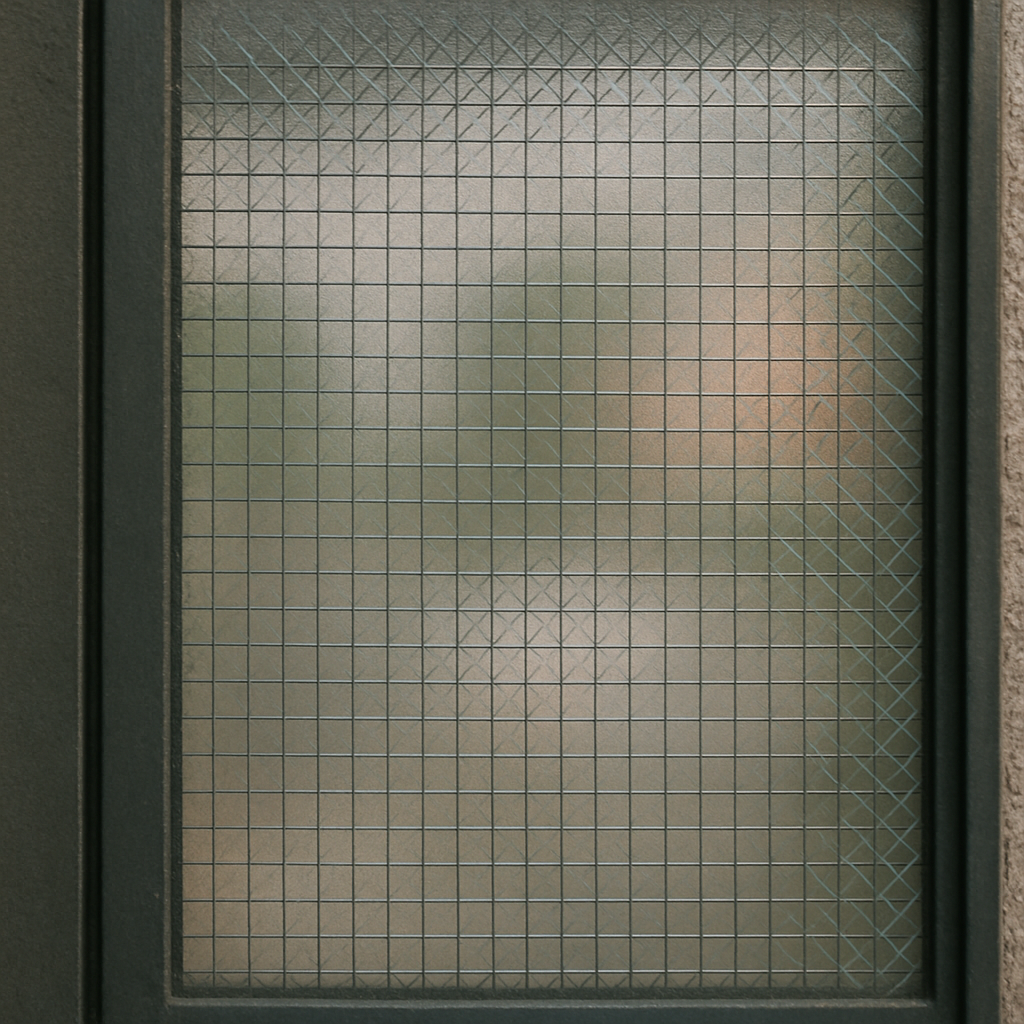
Decorative Security Film

For homeowners who want to add a decorative element to their windows, decorative security film is the perfect solution. Available in a range of patterns and designs, it combines aesthetics with functionality, enhancing both security and style.

Decorative window film pattern

by Laurence Ziegler (https://unsplash.com/@laurenceziegler)

Installation Process

Installing security film for windows is a straightforward process, but it requires precision to ensure maximum effectiveness. Here’s a brief overview of how it’s done:

Step 1: Measure and Cut

The first step is to measure the windows and cut the film to size. Accurate measurements are crucial to ensure the film fits perfectly without gaps or overlaps.

Step 2: Clean the Glass

The glass must be thoroughly cleaned to remove dust, dirt, and grease. A clean surface is essential for the film to adhere properly.

Step 3: Apply the Film

The film is applied to the window using a wet adhesive method. A spray bottle filled with a mixture of water and a small amount of soap helps position the film and remove air bubbles.

Step 4: Smooth Out Bubbles

A squeegee is used to smooth out any bubbles and ensure the film is securely adhered to the glass. This step is crucial for achieving a professional finish.

Step 5: Trim Excess Film

Finally, any excess film is trimmed away to create a neat, finished appearance.

Cost-Effectiveness and ROI

While the initial investment in security window film may seem significant, the long-term savings and benefits far outweigh the cost. By reducing energy bills, protecting interiors, and enhancing security, the film provides a return on investment that contributes to overall home value and peace of mind.

Conclusion

Security film for windows is a versatile and cost-effective solution for enhancing the safety, efficiency, and aesthetics of your home. Whether you’re an interior designer seeking stylish, eco-friendly options for clients, or a homeowner looking to improve security and reduce expenses, security window film is a smart choice. Consider installing it today to enjoy the many benefits it offers.

By choosing quality security film and professional installation, you can ensure your home is better protected and more energy-efficient for years to come.

Categories
Derma Roller

How To Keep Your Skin In Excellent Condition Even In Colder Months

For those of us in the north who have to deal with the colder months throughout the year, it’s challenging for many reasons including being tough on our delicate skin. When the temperatures are warm outside, your skin is easier to keep in good shape, but when the cold moves in for a few months there is certainly more work to put in towards maintaining your skin’s good condition.

Below, we outline a few things to keep in mind to ensure that your skin’s status is nice all throughout the year, even in the Fall and Winter months.

Closely Observe Your Skin

Always be in tune with your skin and understand how it changes and tries to adapt when the temperature starts to dip. More than likely your skin will dry out more and more according to the temperature, it will crack if it gets too dry – especially on the hands around the knuckles, and flakes of skin may fall off as well. We offer some advice below to help keep your skin looking and feeling good, even in the cool and cold months.

Use Less-Drying Cleansers

When the temperature drops so does the moisture in the air and that affects your skin immensely. You want a cleanser in the warmer months that provides more of a drying effect on your skin to remove excess oil, but it’s the opposite in the cooler months where you want to go with a cleanser that has less drying ingredients and one that leaves your skin more moisturized – especially on your face where wrinkles and fine lines can more easily pop up when the air is drier.

Your Moisturizer Is Crucial

In the cooler months, you will want a rich collagen cream moisturizer that helps to add extra moisture to your skin with the lack of moisture in the air. Or you can also stay with your usual moisturizer product or products but just use more than you usually would when it’s cooler outside. You may want to moisturize more than you usually do throughout the day as well if your skin needs more than just one session after a shower for example. Listen to your skin and it will visually communicate what it needs.

Fire Up a Humidifier

If your home has very dry and stale air it’s recommended that you buy a humidifier and add moisture to the air. It will help your skin stay more hydrated and it will put less pressure on you to maintain a strict skin care program.

Consistently Exfoliate

Your skin can look dull and bland during the winter months with less moisture in it and having less tan sure doesn’t help either. It’s a good idea to look into adopting an exfoliation routine so the dull cells are removed, and left behind are fresh ones that appear much healthier.  

Categories
Derma Roller

5 Skincare Tips For Students

School and stress are synonymous, and it usually affects your mental health and how you look. Your skin deserves extra attention aside, eating good food, and exercising regularly. The following tips will help you devise a skincare regimen as you resume at school. Read if you care to look better than before.

1. Start with a fresh facial look.

It could be effortless to get out of bed, put on your wig, and attend class without extra efforts aside brushing your teeth. Never do this! A new day with clean skin is a must, and it is fundamental to having a glowing skin. Ask anyone who has a good complexion!

2. End your day with a clean skin

It is not only crucial to start your day with clean skin, but it is also important to end it with a clean one. Remove every trace of makeup before sleeping and use a light moisturizer as well. DermaCell Collagen Cream helps you keep undereye circles in check.

3. Eat Right

Greasy is convenient, likewise quick-fix while in college, but they are usually the enemies of your skin. Hot Pockets and pizza should be a weekly treat for your skin and not a daily ritual.

4. Drink a lot of water.

Heavy winds, heaters, and dry air lead to dry skin. Your Autumn skin treatment routine ought to incorporate a lot of hydration strategies such as DermaCell Collagen Cream and quality, old-fashioned water.

5. Utilize Sunscreen

The fact that you do not sunbathe during fall should not prevent you from using sunscreen. Sunscreen secures your skin and gives you a natural-looking glow throughout the year.

Never allow your complexion to be conditioned by stress this fall. Utilize the tips shared above when implementing your back-to-school skin regimen, and buy Derma Roller System for the quality products, to have a summertime glow all through the year.