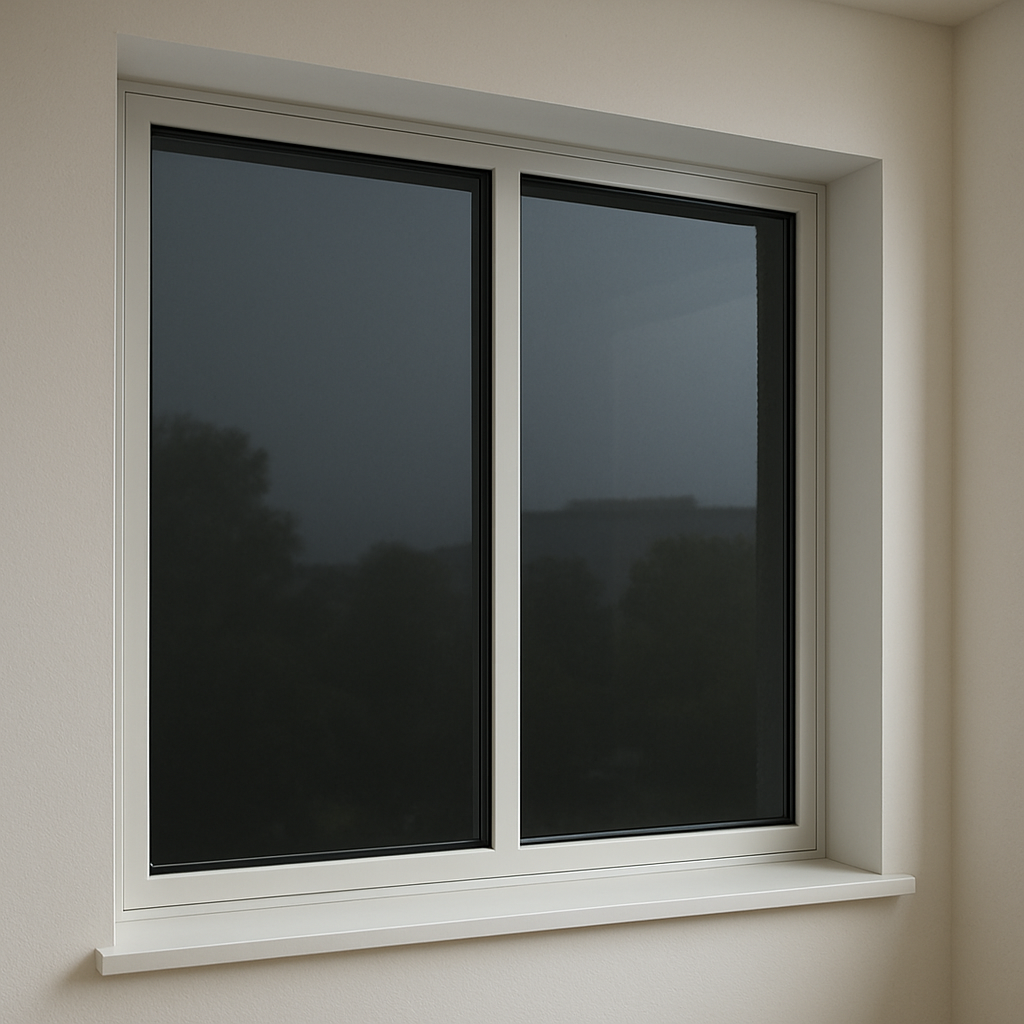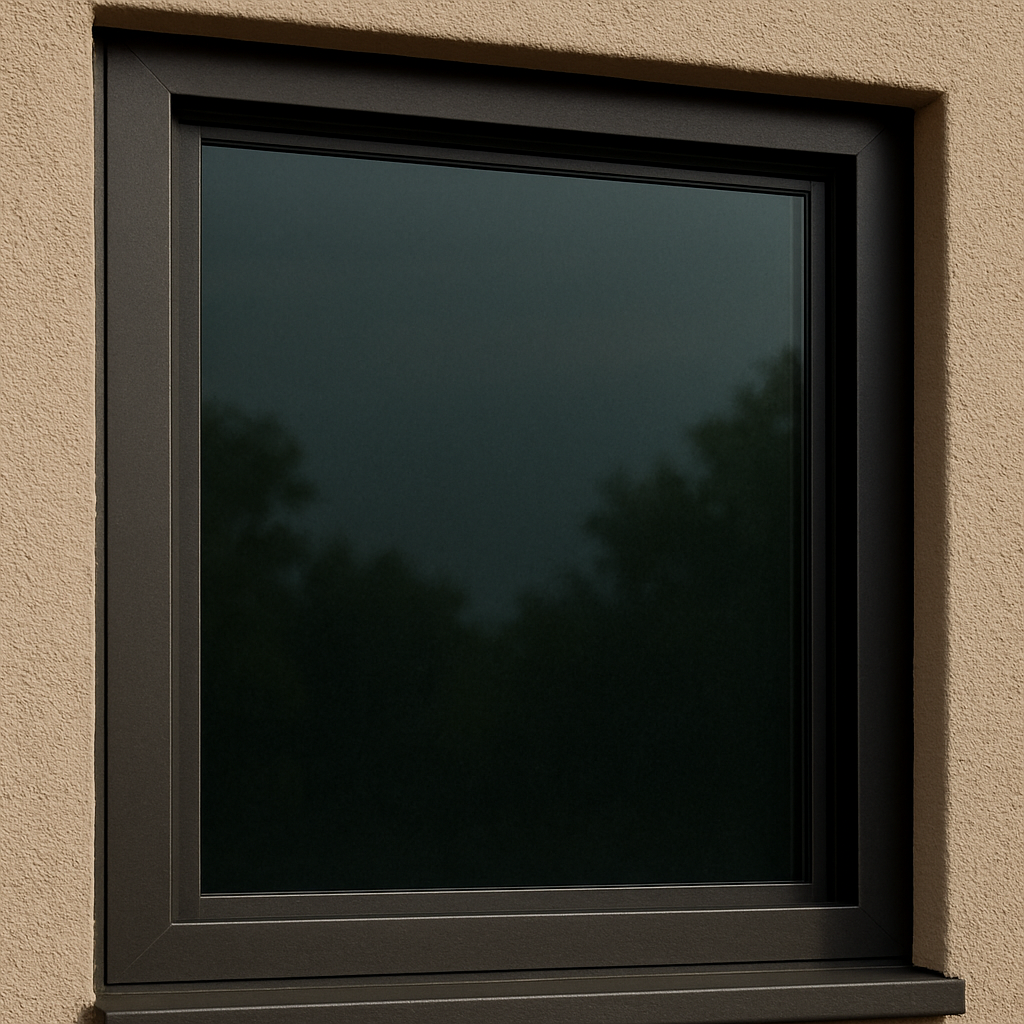
Tinted windows are an excellent addition to any home, providing privacy, reducing glare, and improving energy efficiency. However, maintaining their pristine condition requires proper cleaning techniques to ensure they remain effective and visually appealing. Neglecting their maintenance can lead to unsightly streaks, scratches, or even damage to the tint film itself. In this article, we will explore the best practices for cleaning tinted windows, offering practical window cleaning tips and methods that you can implement easily at home.
Understanding the nuances of tinted windows is crucial before embarking on the cleaning process. This will not only preserve their aesthetic appeal but also extend their functional lifespan. An informed approach to cleaning can prevent common issues such as peeling or discoloration, ensuring that your investment continues to provide benefits for years to come.
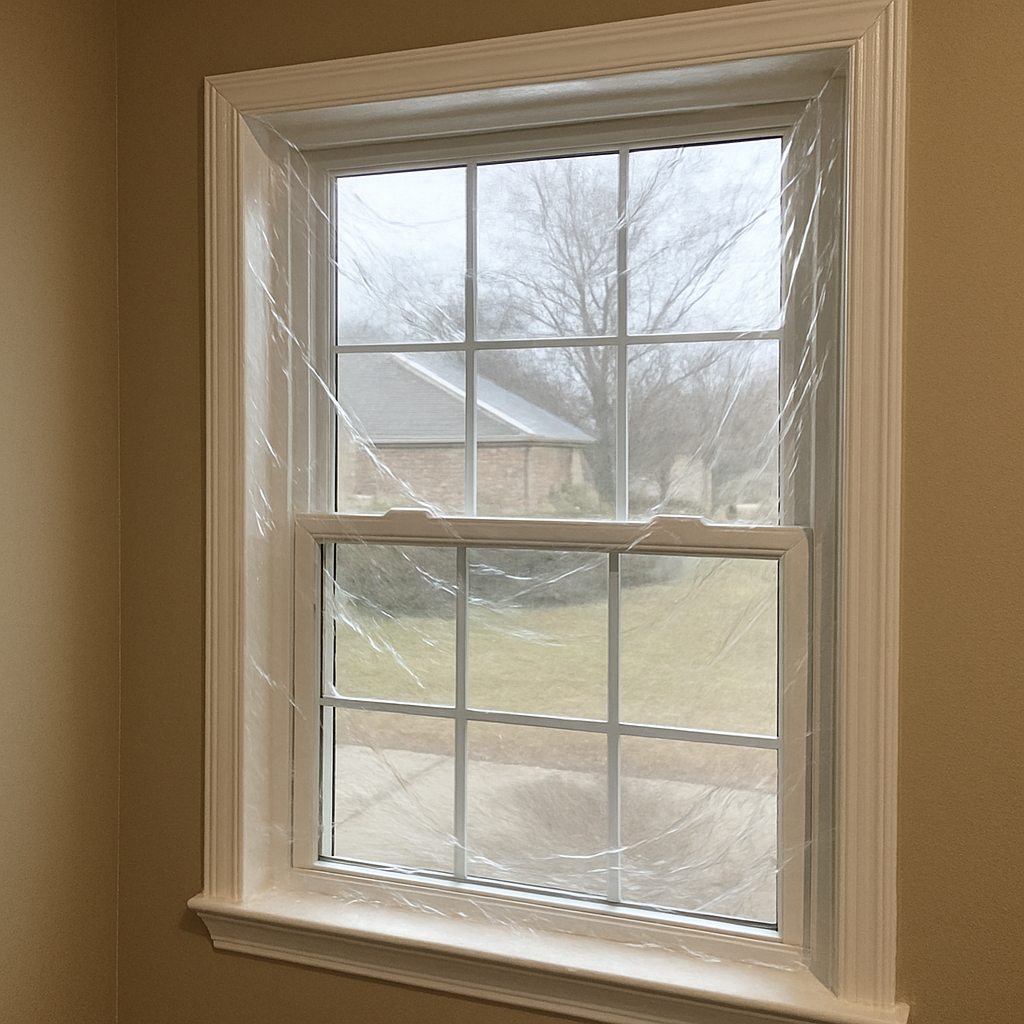
Before diving into cleaning techniques, it’s important to understand what tinted windows are and how they work. Tinted windows have a thin film applied to the glass surface, which reduces the amount of sunlight and UV rays entering a room. This film can be made from various materials and can vary in thickness and color, affecting both its appearance and functionality. The variety in materials and shades allows homeowners to choose tints that best suit their needs, whether for aesthetic purposes or specific functional benefits.
The film’s composition is designed to be durable, yet it requires careful handling during cleaning to avoid compromising its integrity. Different tint films may react differently to cleaning solutions, making it vital to follow recommended cleaning practices. Understanding the type of tint installed in your home can guide you in selecting the appropriate cleaning methods and solutions, ensuring longevity and effectiveness.
Benefits of Tinted Windows
Tinted windows offer several advantages:
- Energy Efficiency: By blocking out a portion of the sun’s rays, tinted windows help regulate indoor temperatures, reducing the need for air conditioning and lowering energy bills. This contributes to a more sustainable living environment, as it minimizes energy consumption and reduces your carbon footprint. In regions with extreme temperatures, this can lead to significant cost savings over time.
- Privacy: Tinted windows provide an added layer of privacy by making it difficult for outsiders to see inside your home. This is particularly beneficial for homes located in busy neighborhoods or urban areas, where privacy can be a concern. The added privacy can also enhance the feeling of security, making it a desirable feature for many homeowners.
- Protection: They help protect your furniture, flooring, and other interior items from fading due to sun exposure. This protective quality extends the life of your furnishings and reduces the frequency of replacements. Moreover, by filtering out harmful UV rays, tinted windows contribute to a healthier living environment, reducing the risks associated with prolonged UV exposure.
Given these benefits, it’s crucial to maintain tinted windows properly to prolong their lifespan and effectiveness. Regular maintenance not only preserves these advantages but also enhances the overall aesthetic and functional value of your home.
Essential Window Cleaning Tips
Cleaning tinted windows requires a gentle approach to avoid damaging the film. Here are some essential tips to keep in mind when embarking on this task:
Use the Right Cleaning Solution
Avoid using harsh chemicals or ammonia-based cleaners, as these can damage the tint film. Instead, opt for a mild, non-abrasive cleaning solution. A mixture of water and a few drops of dish soap is usually sufficient. For stubborn spots, consider adding a small amount of vinegar to the mix. It’s important to always dilute any cleaning agent with water to minimize the risk of leaving residues that could affect the tint film.
When choosing a cleaning solution, consider its pH level as well. Neutral pH solutions are generally safer for tinted films, as they prevent potential chemical reactions that could lead to discoloration or peeling. Always check product labels for compatibility with window tints to avoid unintended damage.
Gather the Right Tools
To clean tinted windows effectively, you’ll need the following tools:
- Microfiber Cloths: These are gentle on surfaces and help prevent scratches. Their soft texture ensures that the tint film remains intact during cleaning, providing a safe way to wipe away dirt and grime.
- Squeegee: A rubber-bladed squeegee helps remove excess water without leaving streaks. The squeegee’s design allows for efficient water removal, reducing the chances of water spots and ensuring a clear, streak-free finish.
- Spray Bottle: Use this to apply your cleaning solution evenly. An adjustable nozzle can help control the spray pattern, making it easier to cover the window surface without over-saturating it.
Test a Small Area First
Before cleaning the entire window, test your cleaning solution on a small, inconspicuous area to ensure it doesn’t cause any damage or discoloration to the tint film. This step is crucial as it helps you identify any adverse reactions before they affect the entire window. If the test area shows any signs of damage, it’s best to reconsider the cleaning solution or method being used.
Conducting a spot test also allows you to adjust your cleaning approach as needed, ensuring that the entire window cleaning process is both safe and effective. By taking this precautionary step, you can avoid costly repairs or replacements in the future.
Step-by-Step Cleaning Process
by Humphrey M (https://unsplash.com/@good_citizen)
Follow these steps to clean your tinted windows safely and effectively:
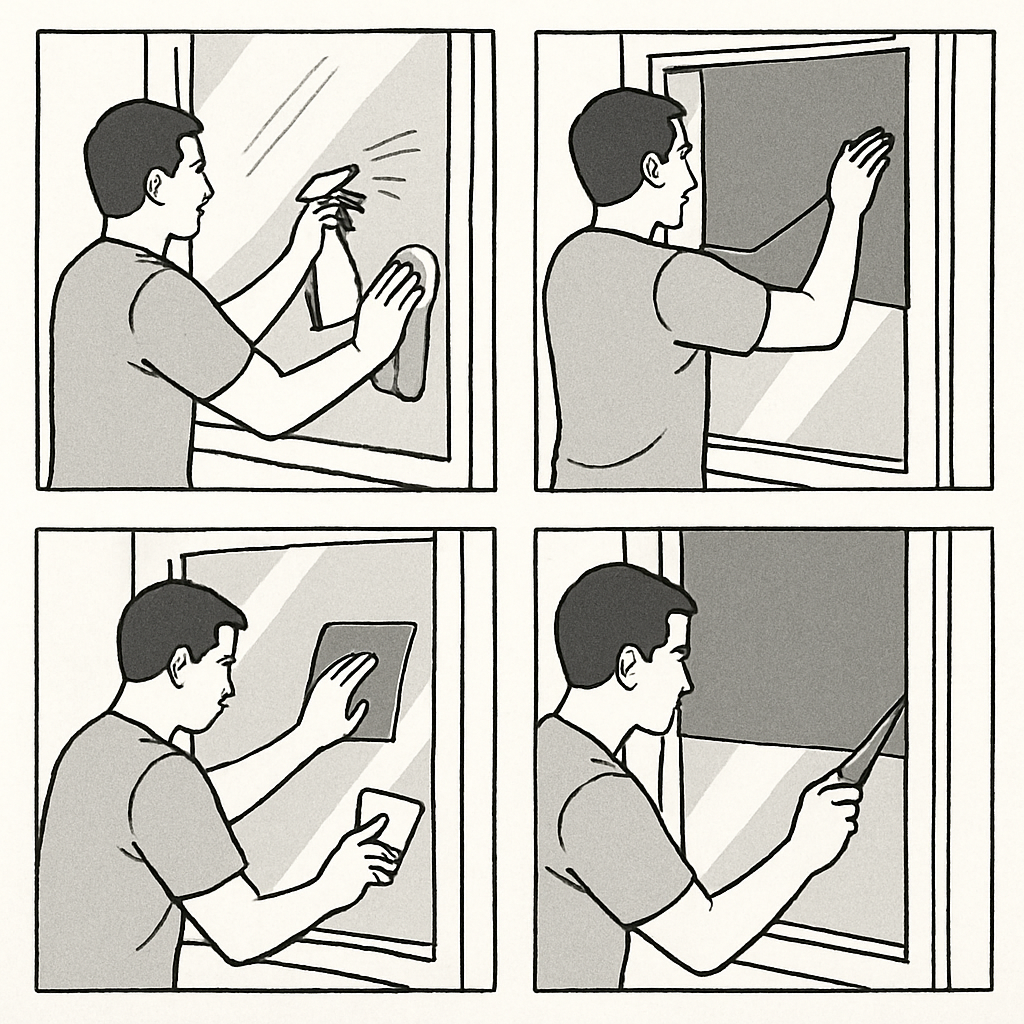
Step 1: Dust and Remove Loose Dirt
Begin by dusting the window surface with a dry microfiber cloth. This removes loose dirt and dust particles, preventing them from scratching the tint film during the cleaning process. Dusting first ensures that subsequent cleaning steps are more effective, as it eliminates surface debris that can hinder thorough cleaning.
Regular dusting is also a good practice to incorporate into your routine maintenance schedule. It minimizes the buildup of dirt over time, making each deep cleaning session more manageable and effective.
Step 2: Apply the Cleaning Solution
Spray your cleaning solution onto the window surface. Be sure to cover the entire area evenly, but avoid soaking the window, as excessive moisture can seep under the film and cause it to peel. Light, even spraying is key to effective cleaning without damaging the tint film.
Applying the solution in sections can help you manage the cleaning process more efficiently, allowing you to focus on one area at a time and ensuring thorough coverage and cleaning. This approach also reduces the risk of the solution drying too quickly, which can lead to streaks.
Step 3: Wipe with a Microfiber Cloth
Using a clean microfiber cloth, gently wipe the window in a circular motion to remove dirt and grime. Start at the top and work your way down, ensuring even coverage and preventing streaks. The circular motion helps lift dirt effectively without applying excessive pressure that could damage the film.
Changing cloths frequently or using different sides of the cloth can prevent reapplying dirt to the window, which is essential for achieving a spotless finish. Keeping your cloths clean and dry helps maintain their effectiveness throughout the cleaning process.
Step 4: Squeegee the Window
Use a squeegee to remove excess water and cleaning solution. Start at the top corner and drag the squeegee down in a straight line, wiping the blade with a clean cloth after each pass. This helps avoid streaks and ensures a clear finish. The squeegee technique is crucial for achieving a professional-looking result, as it effectively removes liquid without leaving marks.
For larger windows, working in sections can help manage the cleaning process more effectively, ensuring that each part of the window is thoroughly cleaned and dried. Consistency in squeegee technique helps maintain an even, streak-free appearance across the entire window.
Step 5: Dry and Buff
Once you’ve removed the excess solution, use a dry microfiber cloth to buff the window to a shine. This final step enhances the clarity of the glass and ensures no streaks or smudges are left behind. Buffing also helps to remove any remaining moisture, which can prevent potential damage to the tint film.
Buffing the window not only polishes the surface but also reveals any missed spots that may require additional attention. This attention to detail ensures a flawless finish, enhancing the overall appearance and functionality of your tinted windows.
Additional Tips for Maintaining Tinted Windows
Regular Cleaning Schedule
Establish a regular cleaning schedule to maintain the appearance and functionality of your tinted windows. Depending on your location and environmental factors, cleaning every two to four weeks is typically sufficient. Regular cleaning prevents the buildup of dirt and grime, which can compromise the tint film over time.
Consistency in your cleaning routine also makes each cleaning session more efficient, as less dirt accumulation means less effort is required to achieve a pristine finish. Adapting your schedule to seasonal changes can further optimize your cleaning efforts, addressing specific challenges such as pollen or salt buildup.
Be Mindful of Weather Conditions
Avoid cleaning windows on hot, sunny days, as the cleaning solution can dry too quickly, causing streaks. Instead, choose a cloudy day or clean in the early morning or late afternoon when temperatures are cooler. This timing ensures that the cleaning solution remains effective, allowing for thorough cleaning without the risk of quick evaporation.
Weather considerations are especially important in regions with extreme temperatures, where cleaning conditions can significantly impact the quality of the results. Adjusting your cleaning schedule to align with favorable weather conditions can enhance the effectiveness and efficiency of your cleaning efforts.
Address Stubborn Stains Promptly
If you notice any stubborn stains or marks on your tinted windows, address them promptly to prevent permanent damage. Use a gentle cleaner and a soft cloth to target these areas, and avoid using abrasive scrubbing pads. Prompt attention to stains prevents them from setting into the tint film, preserving the window’s appearance and functionality.
For particularly challenging stains, consider consulting a professional window cleaner to avoid causing damage through DIY efforts. Professional services can provide specialized solutions and techniques to address tough stains without compromising the integrity of the tint film.
Regular Inspection
Periodically inspect your tinted windows for any signs of wear or damage. Look for bubbling, peeling, or discoloration, and address these issues promptly to prevent further damage. Regular inspections help identify potential problems early, allowing for timely repairs or interventions.
Maintaining a record of inspections and any maintenance performed can be beneficial, helping you track the condition of your windows over time. This proactive approach ensures that any issues are addressed before they escalate, preserving the value and functionality of your tinted windows.
Conclusion
Tinted windows are a valuable addition to any home, offering numerous benefits such as energy efficiency, privacy, and protection from UV rays. By following the proper cleaning techniques outlined in this article, you can maintain the beauty and functionality of your tinted windows, ensuring they continue to enhance your living space. Consistent care and attention will not only preserve their effectiveness but also extend their lifespan.
Remember, the key to cleaning tinted windows is using gentle, non-abrasive methods and solutions. With regular maintenance and care, your tinted windows will remain a stylish and practical feature of your home for years to come. By investing in their upkeep, you ensure that they continue to provide comfort, protection, and aesthetic appeal to your living environment.
::contentReference[oaicite:0]{index=0}