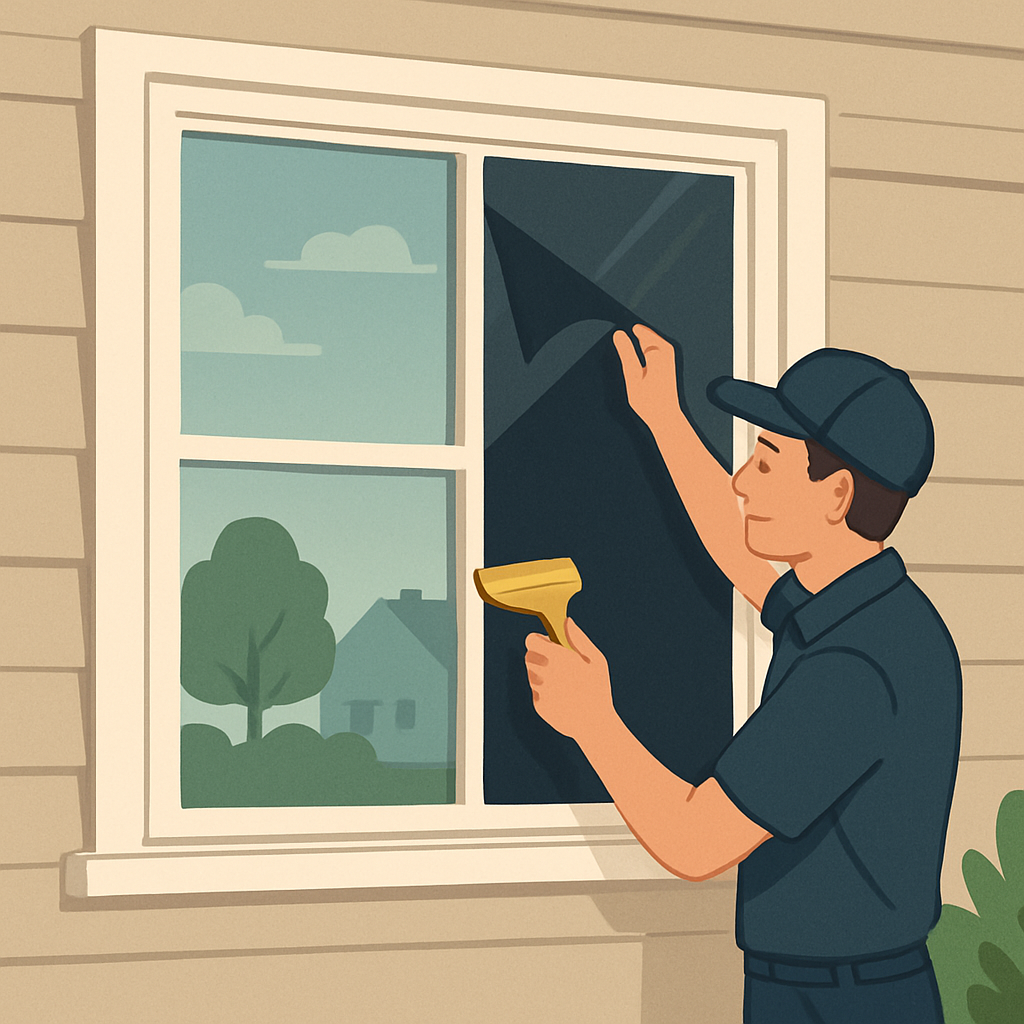
Window tint is a thin film applied to the interior or exterior of glass surfaces. It’s designed to reduce heat, glare, and UV exposure while enhancing privacy and security. Tints come in a variety of shades and levels of darkness, allowing homeowners to choose the perfect balance of light and privacy. The technology behind window tinting has evolved significantly, offering homeowners a wide array of options in terms of color, reflectivity, and tint levels, each designed to address specific needs and enhance overall comfort.
Modern window tints utilize advanced materials that can effectively filter out UV rays while maintaining clarity and visibility. The films are crafted using a multi-layered approach, combining different materials to achieve specific properties such as heat reduction, glare control, and enhanced durability. This versatility makes window tinting an appealing option for homeowners looking to improve their living environment without undergoing extensive renovations.
Why Consider Window Tint for Your Home?
Window tinting offers several benefits that go beyond mere aesthetics. Here’s why you might consider it for your home:
- Energy Efficiency: Tinting reduces the amount of heat that enters your home, lowering cooling costs during the summer months. This energy-saving aspect can contribute to a more sustainable living environment, aligning with the growing emphasis on eco-friendly home improvements. According to the U.S. Department of Energy, window films and other window attachments can significantly reduce solar heat gain and improve energy performance.
- UV Protection: Window films block up to 99% of harmful UV rays, protecting your furnishings from fading. This protection extends the life of your furniture, flooring, and artwork, preserving the beauty of your interiors and saving you money on replacements over time. The Skin Cancer Foundation highlights the importance of reducing indoor UV exposure to protect skin and health.
- Glare Reduction: Tinted windows minimize glare on screens and surfaces, improving visibility and comfort. This feature is particularly beneficial in home offices and living rooms, where excessive glare can disrupt daily activities and strain your eyes.
- Increased Privacy: Darker tints can obscure the view into your home, adding a layer of privacy. This is especially advantageous for ground-level rooms or properties located in densely populated areas where privacy is a concern.
Understanding Window Tint Darkness Levels
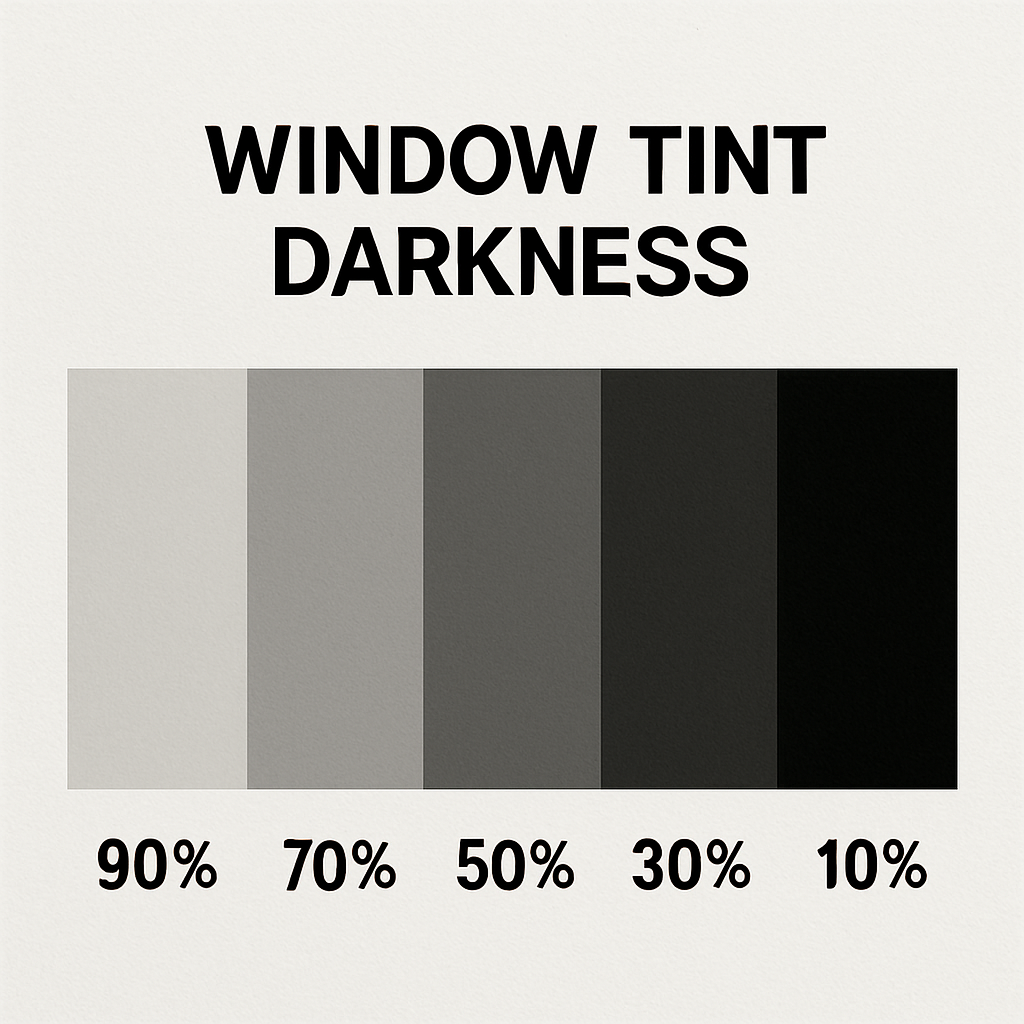
Window tints are available in various darkness levels, typically measured by the Visible Light Transmission (VLT) percentage. This percentage indicates how much visible light can pass through the window film. The choice of tint level can significantly impact the ambiance of your home, influencing both the interior lighting and the exterior appearance. If you’d like a deeper breakdown of darkness ratings and how VLT percentages work, see our guide on Understanding the Different Darkness Levels & VLT Options.
Common Tint Levels
- 50% Tint: This is a lighter option that allows 50% of visible light to pass through. It provides some heat rejection and reduces glare while maintaining a brighter interior. This level is ideal for homeowners who want to enhance comfort without significantly altering the natural light flow.
- 35% Tint: A popular choice for homeowners, this level strikes a balance between light and privacy. It offers moderate heat and glare reduction. This option is often chosen for its versatility, providing noticeable energy savings and privacy without creating a darkened interior.
- 20% Tint: This darker shade is ideal for those seeking greater privacy and higher heat rejection. It suits rooms where privacy is paramount, like bedrooms or home theaters, and is effective in minimizing the sun’s impact on indoor temperatures.
- 5% Tint (Limo Tint): This is the darkest option, allowing only 5% of light through. It offers maximum privacy but may significantly darken the interior. While it provides excellent heat reduction and privacy, it can affect visibility, making it less suitable for areas where natural light is desired.
Choosing the Right Tint Level
The ideal window tint level depends on several factors, including your climate, privacy needs, and aesthetic preferences. Here are some considerations:
- Climate: In warmer climates, darker tints might be preferable to maximize heat reduction. In cooler regions, lighter tints may suffice. Additionally, consider seasonal variations and how your home’s orientation affects sun exposure.
- Privacy: If privacy is a primary concern, consider darker tints for areas facing the street or neighboring properties. However, balance privacy with the need for natural light, especially in living spaces where a welcoming atmosphere is desired.
- Interior Design: Choose a tint that complements your interior design style. Lighter tints can maintain a more natural light flow, enhancing the ambiance. Consider how the tint will interact with your home’s color scheme and decor to achieve a cohesive look.
The Installation Process

by Tomasz Anusiewicz (https://unsplash.com/@oxganggreen)
Window tint installation is a precise process that requires professional expertise to achieve the best results. Here’s what to expect:
- Consultation: A professional will assess your windows and discuss your goals to recommend suitable tint levels. They will consider factors such as window orientation, room function, and your personal preferences to provide tailored advice.
- Preparation: Windows are cleaned and prepped to ensure a smooth application. Proper preparation is crucial to prevent dust or debris from getting trapped under the film, which can compromise the quality and longevity of the tint.
- Application: The film is carefully applied, ensuring no bubbles or creases. Professionals use specialized tools and techniques to achieve a seamless finish, ensuring the tint adheres properly and functions as intended.
- Curing: The tint requires a curing period to fully adhere to the glass, during which the film may appear hazy. This process can take a few days to a few weeks, depending on the type of film and environmental conditions.
Benefits of Professional Installation
While DIY kits are available, professional installation guarantees a flawless finish and long-lasting results. Professionals have the tools and experience to handle complex installations and ensure compliance with local regulations. They can also provide warranties and post-installation support, giving you peace of mind and confidence in your investment.
Legal Considerations for Home Window Tinting
Before proceeding with window tinting, it’s essential to be aware of any local regulations regarding residential window films. While automotive window tints often have strict guidelines, residential tints typically have more lenient rules. However, checking with local authorities ensures compliance and avoids potential issues. Ignoring regulations can lead to fines or the need to remove non-compliant tints, which can be costly and inconvenient.
In some areas, specific restrictions may apply to the reflectivity or darkness of the film, especially if your property is in a historic district or subject to homeowner association rules. Understanding these requirements beforehand can prevent complications and help you choose a tint that meets both legal standards and your personal needs.
Conclusion
Window tinting is an excellent investment for homeowners looking to enhance their living spaces with improved energy efficiency, UV protection, and privacy. By exploring the range of tint darkness levels, you can select a solution that aligns with your specific needs and preferences. This small change can lead to significant improvements in comfort and cost savings, making it a worthwhile consideration for any homeowner.
Whether you’re aiming to reduce energy bills, protect your interiors, or simply add a touch of elegance, window tinting offers a versatile and stylish solution. Consider consulting with a professional to ensure you choose the right tint and enjoy all the benefits it has to offer. With the right approach, window tinting can transform your home into a more comfortable, energy-efficient, and private sanctuary. window tinting
::contentReference[oaicite:0]{index=0}