Categories
Window Tinting and Film

Will Window Film Interfere with Natural Light for Your Plants

Window films are thin layers applied to glass surfaces, designed to improve energy efficiency, reduce glare, and protect interiors from harmful UV rays. These films come in various types, each with unique properties that affect how much light they let through. Understanding these properties is essential for making an informed decision that benefits both your home and your plants.

The primary function of window films is to control the light and heat entering through glass surfaces. This control can lead to significant energy savings and improved comfort within your home. However, the key is to select the right type of film that aligns with your specific needs, particularly regarding the lighting conditions your plants require. Let’s explore the different types of window films available and how they interact with natural light.

Types of Window Films

  • Glare Reduction Film: This film type is specifically designed to minimize the harsh glare from sunlight, enhancing comfort in your living space without significantly reducing natural light. It is particularly beneficial for rooms with screens, such as home offices or living rooms with televisions, where glare can be a distraction. By diffusing intense sunlight, glare reduction films provide a balanced light environment, supporting both human and plant needs.
  • UV Protection Film: Known for its ability to block up to 99% of harmful UV rays, this film protects interiors from fading while allowing most of the visible light spectrum to pass through. This ensures that your plants receive adequate light for photosynthesis, making it an excellent choice for plant enthusiasts. UV protection films not only safeguard your furniture and artwork but also create a nurturing environment for your indoor garden.
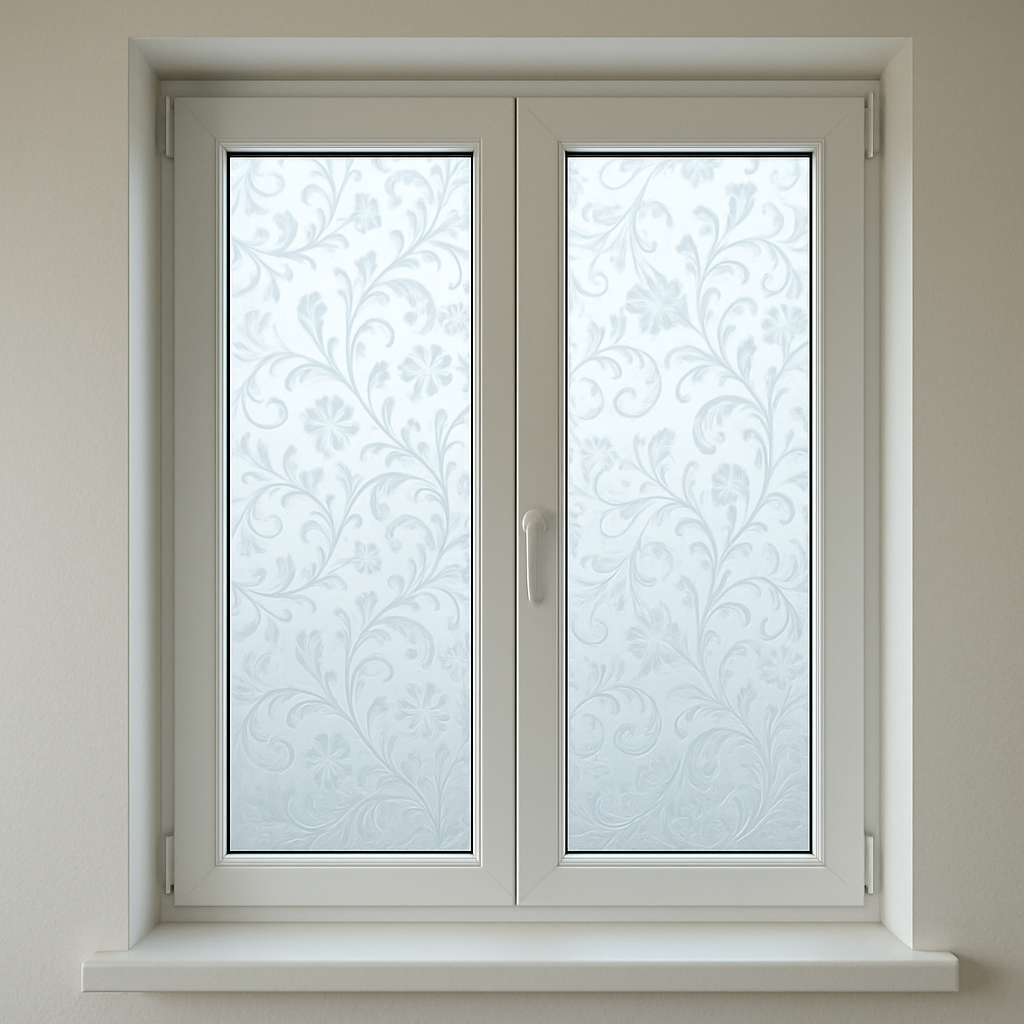
  • Decorative Film: These films offer privacy and aesthetic appeal while allowing a moderate amount of light to enter. Available in various patterns and textures, decorative films can enhance the visual appeal of your home. They provide an opportunity to add a stylish touch to your interiors without compromising the light your plants need. By selecting the right design, you can achieve both privacy and a conducive environment for plant growth.

How Window Film Affects Plant Growth

Plants rely on the visible light spectrum for photosynthesis, the process that allows them to grow and thrive. Most window films are engineered to block UV rays without significantly affecting visible light. This means that, with the right film, your plants can still enjoy the sunlight they need. However, understanding the specific light requirements of your plants is essential in selecting the appropriate film.

It is important to choose a film that aligns with your plant’s light requirements. Some plants, like succulents and cacti, thrive in bright, direct sunlight, while others, like ferns and snake plants, do well in lower light conditions. Assessing the light needs of your plants is crucial when selecting a window film. By doing so, you can ensure that your plants continue to receive the optimal light conditions for healthy growth.

Balancing Light Needs and Home Improvement Goals
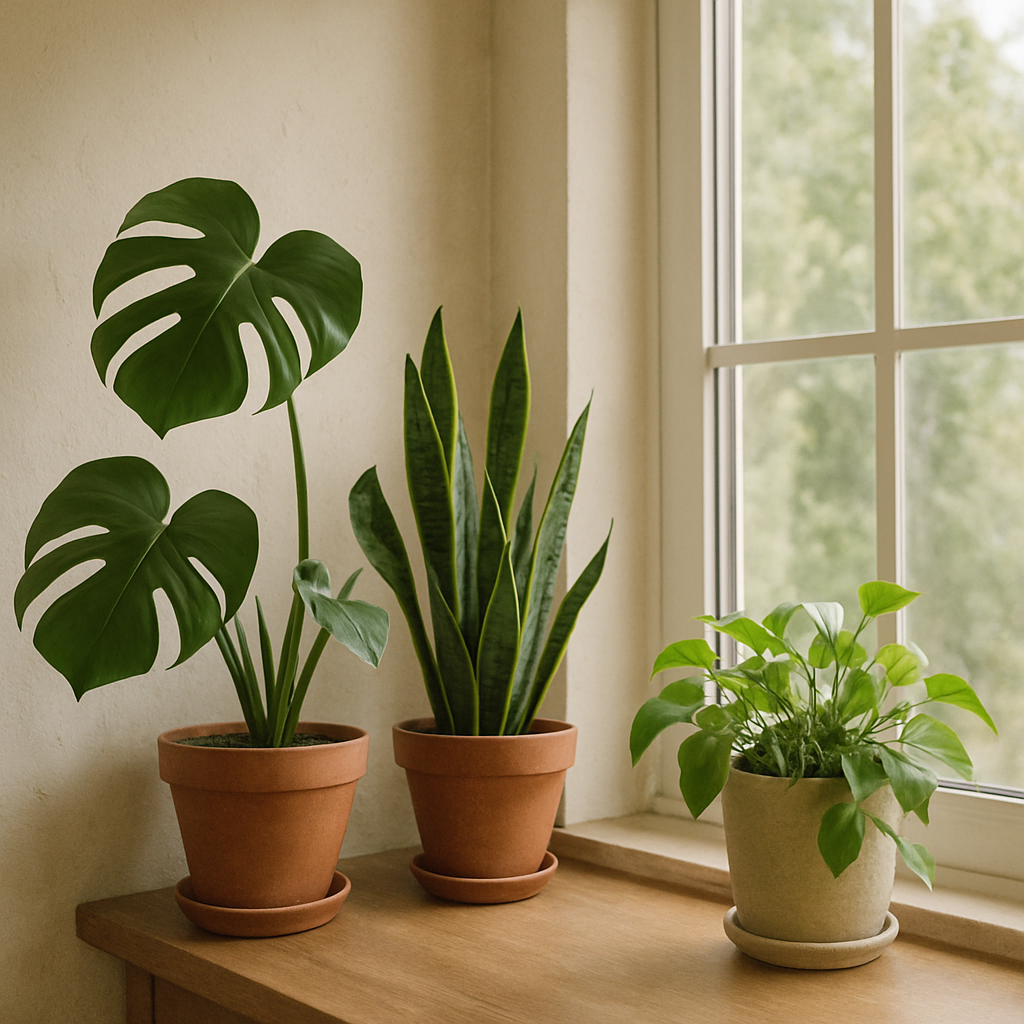
Indoor plants near window

Achieving a balance between enhancing your home environment and maintaining healthy plants is possible with the right approach. With careful planning and consideration, you can enjoy the benefits of window film without sacrificing the well-being of your plants. Here are some strategies to consider:

Assess Your Plants’ Light Needs

Before installing window film, identify which plants require direct sunlight and which can tolerate indirect light. Grouping plants with similar light needs together near windows that receive the appropriate amount of sunlight can optimize their growth. This strategic placement ensures that each plant receives the right amount of light, promoting a thriving indoor garden.

Understanding the specific light requirements of your plants is key to creating an environment where they can flourish. By taking the time to assess these needs, you can make informed decisions about window film placement and selection, ensuring that both your home and your plants benefit from the film’s advantages.

Choose the Right Window Film

Select a window film that complements your interior design goals while still meeting your plants’ light needs. For instance, if glare reduction is a priority in your living room, but you have light-loving plants, opt for a glare reduction film that allows ample visible light. This ensures that your plants receive the necessary light for photosynthesis while you enjoy a more comfortable living environment.

The right window film can enhance the aesthetic appeal of your home while providing functional benefits. By carefully choosing a film that aligns with both your design preferences and your plants’ requirements, you can achieve a harmonious balance between style and plant health.

Consider Partial Film Application

If you have specific areas where plants need more light, consider applying window film only to portions of the window. This technique allows you to tailor the light exposure for different parts of the room, ensuring your plants receive the sunlight they require. Partial film application provides flexibility in managing light distribution and can be a practical solution for diverse plant needs.

By customizing the application of window film, you can create micro-environments within your home that cater to the unique needs of different plants. This approach allows you to enjoy the benefits of window film while ensuring that each plant receives the optimal light conditions for growth.

Installation and Maintenance Tips

When it comes to installing window film, precision and quality are key to ensuring optimal results. Proper installation and maintenance can enhance the performance and longevity of the film, contributing to a more comfortable and energy-efficient home environment. Here are some tips to help you get started:

Professional Installation

For best results, consider hiring a professional to install your window film. They can ensure a smooth application without bubbles or creases, which can affect the film’s performance and appearance. Professional installation guarantees that the film adheres properly to the glass surface, maximizing its benefits and ensuring a polished look.

A professional installer can also provide valuable insights into the best type of film for your specific needs and offer advice on placement and application techniques. Their expertise can help you achieve the desired outcomes while minimizing potential issues related to improper installation.

Regular Cleaning

Keep your window film clean to maintain its effectiveness. Use a soft cloth and a gentle cleaning solution to wipe away dust and smudges, ensuring that light can pass through unobstructed. Regular cleaning not only preserves the clarity and appearance of the film but also enhances its performance by allowing maximum light transmission.

By incorporating routine maintenance into your cleaning schedule, you can extend the lifespan of your window film and ensure that it continues to provide the desired benefits for both your home and your plants.

Monitor Plant Health

After installing window film, keep an eye on your plants’ health. If you notice any signs of light deficiency, such as wilting or stunted growth, consider repositioning your plants or adjusting the film application to improve light exposure. Monitoring plant health is essential in ensuring that your indoor garden thrives under the new lighting conditions.

By staying attentive to changes in plant health, you can make timely adjustments that enhance light conditions and promote healthy growth. This proactive approach helps maintain a vibrant and flourishing indoor garden, even with the addition of window film.

Real-World Examples and Testimonials

Many homeowners have successfully integrated window film into their living spaces without sacrificing plant health. These examples highlight the versatility and effectiveness of window film in creating a comfortable and nurturing home environment. Here are a few examples:

Case Study: A Sunroom Transformation

One homeowner transformed their sunroom into a comfortable, glare-free retreat by installing a UV protection film. Their collection of tropical plants continued to thrive, thanks to the film’s ability to block harmful UV rays while allowing plenty of visible light. This transformation not only enhanced the comfort of the sunroom but also created an ideal environment for the homeowner’s lush indoor garden.

The sunroom became a favorite spot for relaxation and enjoyment, with the window film playing a crucial role in maintaining the well-being of both the homeowner and their plants. This case study demonstrates the positive impact that the right window film can have on both home comfort and plant health.

Testimonial: A Bright and Stylish Kitchen

An interior designer used decorative window film in a client’s kitchen to enhance privacy and style. The client’s herb garden on the windowsill flourished, as the film allowed enough light for growth while providing the desired aesthetic. This successful integration of window film showcases how style and functionality can coexist, resulting in a beautiful and practical kitchen space.

The designer’s thoughtful choice of decorative film not only met the client’s design preferences but also supported the healthy growth of their indoor garden. This testimonial highlights the potential for window film to enhance both the appearance and functionality of a space, benefiting both homeowners and their plants.

The Bottom Line

Sunlight streaming through window film

by Lhar Capili

Window film can be a valuable addition to your home, offering benefits like glare reduction, UV protection, and enhanced privacy. By choosing the right type of film and considering your plants’ light requirements, you can create a harmonious living environment that meets both your home improvement goals and your plants’ needs. The versatility of window film allows you to customize your space while ensuring that your indoor garden remains vibrant and healthy.

In conclusion, window film doesn’t have to interfere with the natural light your plants require. With careful selection and placement, you can enjoy the benefits of window film while keeping your indoor garden lush and thriving. By prioritizing the light needs of your plants and aligning them with your home improvement goals, you can achieve a balanced and inviting living space that caters to both human and plant occupants.

Categories
Window Tinting and Film

DIY Window Film Application Tips for Smooth Bubble-Free Results

Applying window film is an excellent way to enhance your home’s aesthetics, improve energy efficiency, and add a layer of privacy without the high cost of professional installation. Whether you’re an interior designer looking to offer clients cost-effective solutions or a homeowner eager to spruce up your living space, mastering the art of DIY window film application can save you time and money.

In this comprehensive guide, we’ll walk you through the essential steps to achieve smooth, bubble-free results. With the right approach and a little patience, you can transform your windows into stunning features of your home.

Understanding Window Film and Its Benefits

Before diving into the application process, it’s vital to understand what window film is and why it’s a valuable addition to any home.

What is Window Film?

Window film is a thin laminate film that can be installed on the interior or exterior of glass surfaces in homes and buildings. It’s available in various styles, including frosted, tinted, and decorative patterns, allowing you to choose the perfect look for your space. If you’re new to this topic, you can start with this Introduction to window films to better understand how different types work.

Benefits of Window Film

  • Energy Efficiency: Window film reduces heat gain in the summer and heat loss in the winter, helping lower energy bills.
  • UV Protection: It blocks up to 99% of harmful UV rays, protecting your furnishings and floors from fading. According to the U.S. Environmental Protection Agency (EPA), improving window performance can significantly contribute to overall home energy efficiency.
  • Privacy and Security: Tinted and frosted films provide privacy without sacrificing natural light.
  • Aesthetic Appeal: Decorative films add a stylish touch to plain glass windows.
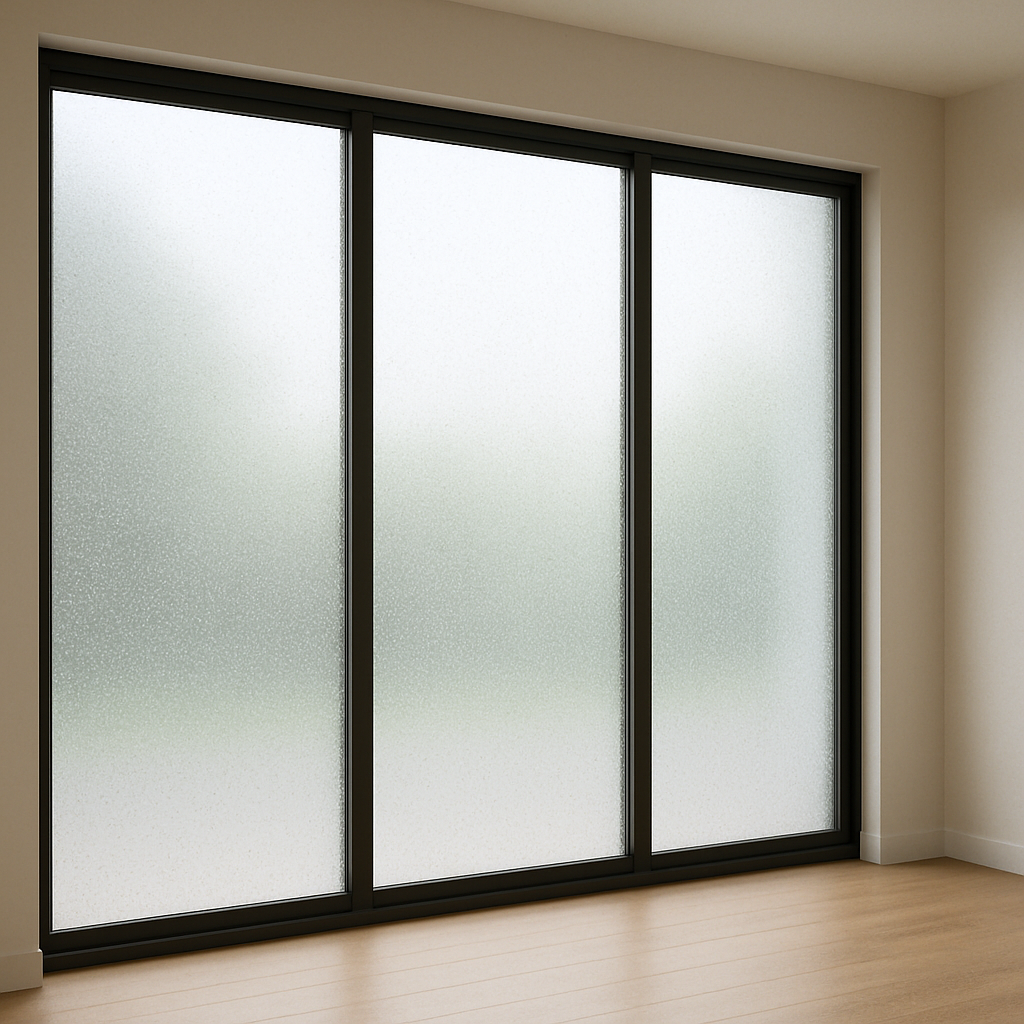
Modern window with decorative film

Preparing for Application

Preparation is key to achieving a flawless finish. Follow these steps to ensure your windows are ready for film application.

Gather Your Materials

Before starting, make sure you have all the necessary tools and materials:

  • Window film of your choice
  • Utility knife or scissors
  • Measuring tape
  • Squeegee
  • Spray bottle filled with soapy water
  • Lint-free cloth or paper towels
  • Cutting mat (optional)

Clean the Windows Thoroughly

A spotless surface is crucial for bubble-free application. Use a glass cleaner or a mixture of water and vinegar to clean the windows. Ensure all dirt, grime, and old adhesive are completely removed. Finish by drying the windows with a lint-free cloth. For best practices on safe and effective glass cleaning, you can reference guidance from the Centers for Disease Control and Prevention (CDC) on maintaining healthy indoor environments.

Measure and Cut the Film

Measure the dimensions of your window panes and cut the film accordingly. Leave an extra inch on each side to ensure full coverage. Use a cutting mat and a utility knife for precise cuts.

Applying the Window Film

Now that your windows are clean and the film is cut to size, it’s time to apply the film. Follow these steps for a smooth application:

Wet the Window

Fill a spray bottle with soapy water and spray the window generously. The soapy water acts as a lubricant, allowing you to position the film easily and preventing it from sticking immediately.

Apply the Film

Peel the backing from the window film, exposing the adhesive side. Carefully place the film onto the wet window, starting at the top and working your way down. Ensure the film is aligned with the edges of the window pane.

Smooth Out the Film

Using a squeegee, start at the center of the film and work your way outwards to remove any air bubbles and excess water. Be firm but gentle to avoid tearing the film. Repeat this process until the film is completely smooth.

Trim the Excess Film

Once the film is in place, use a utility knife to trim any excess film along the edges of the window pane. Be precise to achieve a neat finish.

Trimming window film edges

by Mak (https://unsplash.com/@mak_jp)

Troubleshooting Common Issues

Even with careful application, you may encounter some common issues. Here’s how to address them:

Air Bubbles

If you notice air bubbles after application, use the squeegee to push them towards the edges of the film. For persistent bubbles, gently lift the film and reapply.

Film Peeling

If the edges of the film begin to peel, ensure the window is clean and dry. Re-spray with soapy water and press the film firmly back into place.

Maintaining Your Window Film

To prolong the life of your window film, follow these maintenance tips:

  • Clean Gently: Use a soft cloth and mild soapy water to clean the film. Avoid abrasive cleaners or scrubbing pads.
  • Avoid Sharp Objects: Be cautious with objects near the windows to prevent scratches or tears in the film.
  • Reapply if Necessary: Over time, you may need to reapply film if it becomes damaged or loses its adhesive quality.

Conclusion

Applying window film yourself is a rewarding project that can enhance your home’s appearance and functionality. By following these tips, you’ll achieve professional-looking results without the high cost. Whether you’re seeking to improve energy efficiency, add privacy, or simply update the look of your windows, window film offers a versatile and affordable solution.

With a bit of practice and attention to detail, you’ll be able to tackle any window film project with confidence. So go ahead, transform your windows, and enjoy the benefits of this fantastic home improvement solution.

Categories
Window Tinting and Film

A Fresh Perspective on Bathroom Window Privacy

The Importance of Bathroom Window Privacy

Privacy in the bathroom is crucial for comfort and relaxation. The bathroom is not just a functional space; it’s a sanctuary where one retreats to find solitude and peace. With the right window treatments, you can ensure that your bathroom remains a private haven where you can unwind without the concern of prying eyes. Effective privacy solutions do more than just block views; they provide peace of mind, allowing you to fully enjoy your personal time. Moreover, these solutions add an extra layer of security to your home, deterring potential intruders by obscuring visibility from the outside.

Privacy solutions also contribute to the aesthetic appeal of your bathroom. Well-chosen window treatments can enhance your bathroom’s decor, adding style and sophistication. They can serve as focal points or subtle accents, depending on your design preferences. By choosing materials and designs that complement your existing decor, you can create a cohesive look that ties the room together. Thus, bathroom window privacy is not only about functionality but also about enhancing the overall ambiance of your space.

Balancing Privacy and Natural Light

One of the key challenges in achieving bathroom privacy is finding a solution that doesn’t block out natural light. Natural light is essential for creating a bright and welcoming space. It enhances the bathroom’s ambiance, making it feel airy and open, which can positively impact your mood. Moreover, natural light can help reduce the need for artificial lighting, saving energy and lowering utility bills. The goal is to find a balance between maintaining privacy and allowing natural light to illuminate the room. This balance is crucial, as too much privacy can lead to a dark, uninviting space, while too little can compromise your comfort.

Designers often recommend solutions that allow for adjustable levels of light and privacy. This flexibility ensures that you can adapt your bathroom’s lighting to suit different times of the day or specific activities. Whether you’re enjoying a morning shower bathed in sunlight or an evening soak in privacy, the right window treatments can enhance your experience. By choosing versatile options, you maintain control over your space, ensuring it meets your needs at all times.

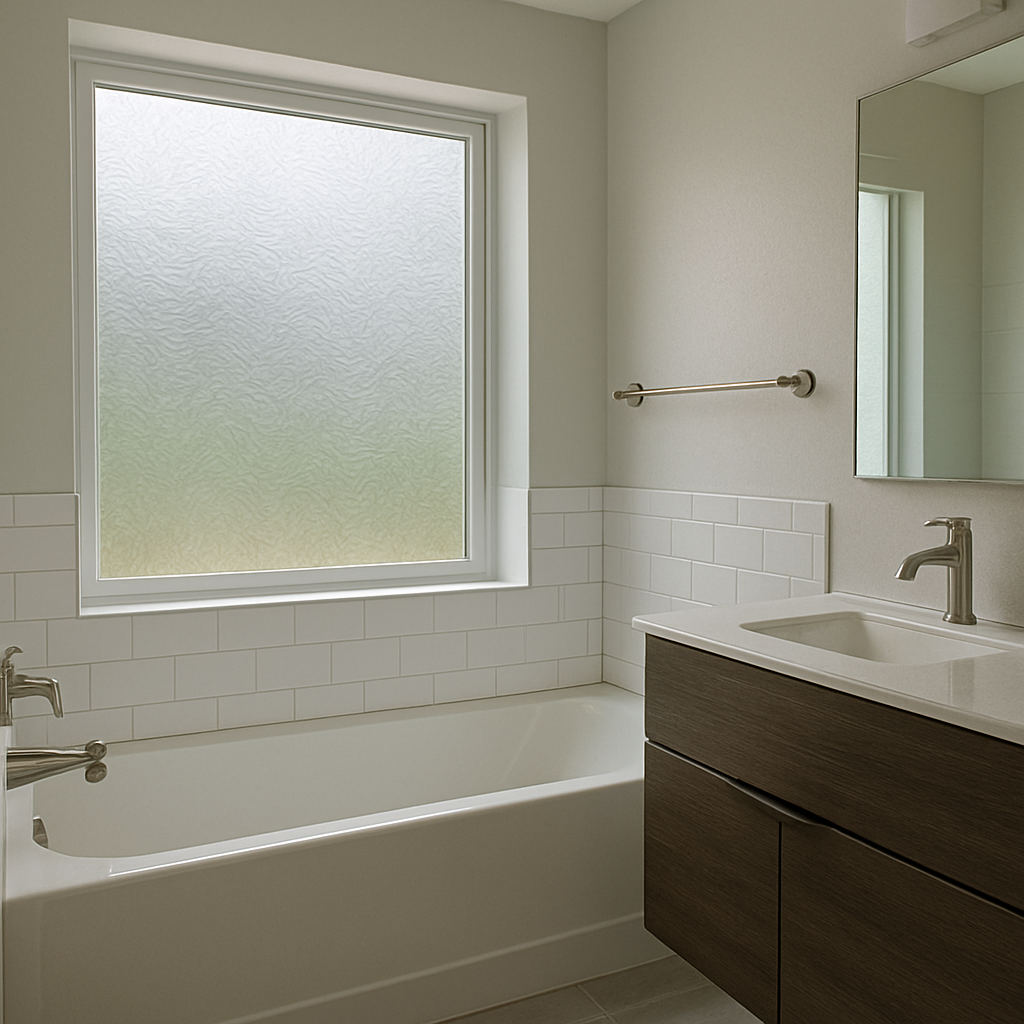
Bathroom with natural light and privacy

Bathroom Window Coverings

Bathroom window coverings come in a variety of styles and materials, each with its own set of benefits. These coverings are not only functional but can also be a stylish addition to your bathroom’s interior design. Here are some popular options:

Frosted Glass

Frosted glass is a classic choice for bathroom windows. It allows light to pass through while obscuring the view from the outside. This type of glass is etched or sandblasted to create a translucent finish that diffuses light evenly throughout the room. Frosted glass is available in a range of patterns and designs, making it easy to find a style that complements your bathroom decor. From geometric patterns to organic motifs, the options are virtually limitless. It’s a durable and low-maintenance option that provides a permanent solution for privacy, making it ideal for homeowners who want a long-lasting solution.

In addition to its practical benefits, frosted glass adds a touch of elegance and sophistication to any bathroom. Its sleek appearance can complement modern and traditional design schemes alike. Moreover, because it is a permanent fixture, frosted glass requires little to no upkeep, ensuring your bathroom remains stylish and private without ongoing effort.

Blinds and Shades

Blinds and shades are versatile window coverings that can be adjusted to control the amount of light and privacy you desire. They come in various styles, including Venetian blinds, roller shades, and Roman shades, each offering different aesthetic and functional benefits. For bathrooms, consider moisture-resistant materials such as faux wood, vinyl, or aluminum. These materials are easy to clean and won’t warp or fade in humid conditions, making them ideal for the bathroom environment. Top-down, bottom-up shades are particularly useful, as they allow you to maintain privacy while still letting in light from the top of the window.

Blinds and shades offer a high degree of customization. With a wide array of colors, patterns, and materials available, you can select a style that perfectly suits your bathroom decor. Furthermore, they provide excellent control over privacy and light, allowing you to adapt the atmosphere of your bathroom to your liking. Whether you want a fully lit room or a dimmed, cozy space, blinds and shades give you the flexibility to create the perfect ambiance.

Curtains and Drapes

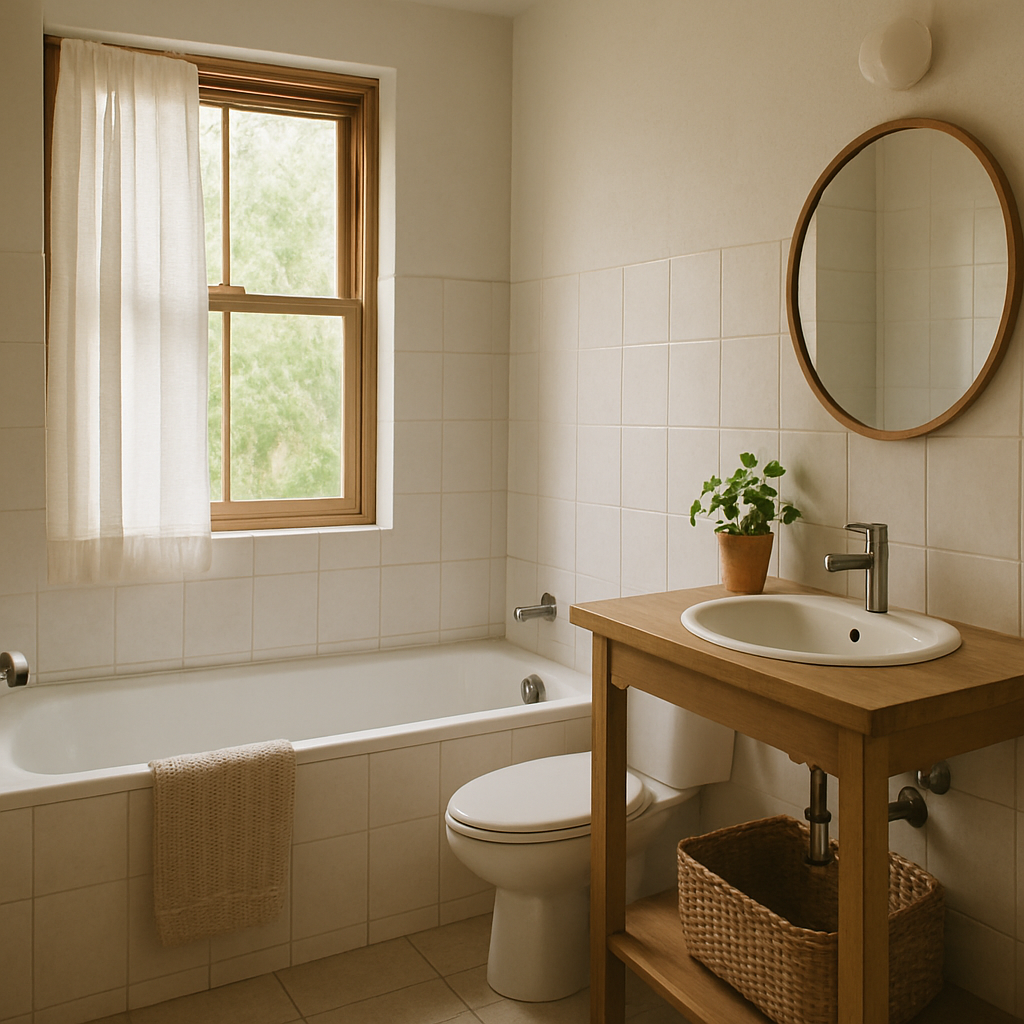
For a softer look, curtains and drapes can add a touch of elegance to your bathroom. They are available in a variety of fabrics, colors, and patterns, offering endless possibilities for personalization. Opt for lightweight, sheer fabrics that let in light while providing privacy. These materials allow for a gentle diffusion of light, creating a warm and inviting atmosphere. You can layer these with heavier curtains for added insulation and privacy when needed. Make sure to choose fabrics that are resistant to moisture and mildew to ensure longevity. Special treatments or synthetic materials can enhance their durability, ensuring they remain attractive and functional over time.

Curtains and drapes also offer a unique opportunity to inject personality into your bathroom decor. Whether you prefer a minimalist aesthetic or a more opulent design, there are curtain options to match your style. By choosing the right patterns and colors, you can create a cohesive look that enhances your bathroom’s overall design theme.

Bathroom Window Privacy Film

Bathroom window privacy film is an innovative solution that offers a sleek and modern look. It’s an adhesive film that can be applied directly to the glass, creating a frosted or patterned effect. This option is particularly appealing for those who want a non-permanent solution that can easily be changed or updated. Privacy film is easy to install and can be cut to fit any window size or shape, making it a versatile choice for bathrooms of all sizes.

Benefits of Privacy Film

  • Easy Installation: Privacy film can be installed quickly and easily, often without the need for professional help. Simply measure, cut, and apply to the window. This DIY-friendly option is perfect for those looking to enhance their bathroom privacy without incurring additional installation costs.
  • Cost-Effective: Compared to other window treatments, privacy film is a budget-friendly option that doesn’t compromise on style or effectiveness. It offers an affordable way to achieve the desired level of privacy while still allowing natural light to enter the space.
  • Customizable: Available in a wide range of patterns, colors, and textures, privacy film can be tailored to match your bathroom’s aesthetic. Whether you prefer a simple frosted look or a more elaborate design, there’s a film to suit your taste.
  • Non-Permanent: If you ever decide to change the look of your bathroom, privacy film can be removed without leaving residue on the glass. This flexibility is ideal for renters or those who like to frequently update their decor.

Choosing the Right Privacy Film

When selecting a privacy film, consider the level of opacity you need. Some films offer complete privacy, effectively blocking the view from both inside and outside, while others allow for more light transmission, providing a balance between privacy and illumination. Additionally, look for films that are specifically designed for bathroom use, as they will be resistant to moisture and humidity. These specialized films ensure longevity and maintain their appearance even in the damp bathroom environment. Furthermore, consider the aesthetic qualities of the film, such as color and pattern, to ensure it complements your bathroom decor.

Applying window privacy film in a bathroom

by Blogging Guide ([https://unsplash.com/@bloggingguide](https://unsplash.com/@bloggingguide))

Combining Solutions for Optimal Privacy

For the ultimate in bathroom privacy, consider combining multiple solutions. For example, you might pair privacy film with blinds or shades to give you more control over light and privacy. This layered approach not only enhances the functionality of your bathroom but also adds depth and dimension to the design. By mixing and matching different treatments, you can create a customized solution that perfectly meets your needs and preferences. This strategy allows you to enjoy the best of both worlds: the elegance of curtains or drapes and the modernity of privacy films or blinds.

Combining solutions also offers increased versatility. During the day, you can adjust blinds to allow maximum light while maintaining privacy with window films. In the evening, draw heavier curtains for complete seclusion. This adaptability ensures your bathroom remains a comfortable and private sanctuary at all times.

Professional Installation vs. DIY

While many bathroom window privacy solutions can be installed by the homeowner, you may prefer to hire a professional for a polished finish. Professional installation ensures that the products are applied correctly and will perform optimally. Professionals have the expertise and tools necessary to achieve a flawless installation, reducing the risk of errors that can affect the appearance or functionality of the treatments. If you choose to go the DIY route, be sure to follow the manufacturer’s instructions carefully to achieve the best results. Take advantage of online tutorials and resources to guide you through the process, ensuring a successful outcome.

Hiring a professional can also save time and effort, especially for more complex installations like custom-fitted blinds or elaborate curtain setups. However, DIY projects can be rewarding and cost-effective, giving you the satisfaction of personal accomplishment. Consider your skills, budget, and the complexity of the chosen solution when deciding between DIY and professional installation.

Conclusion

Achieving bathroom window privacy doesn’t mean you have to sacrifice style or natural light. With a variety of options available, you can find the perfect solution to meet your needs and complement your home’s design. Whether you opt for frosted glass, blinds, curtains, or privacy film, you can create a private, inviting space that enhances your daily routine. As a trusted expert in home improvement, I encourage you to explore these options and transform your bathroom into a private oasis. Embrace the opportunity to enhance both the functionality and aesthetics of your bathroom, creating a space that offers comfort, relaxation, and style.

By carefully considering your needs and the available solutions, you can strike the perfect balance between privacy and natural light, ensuring your bathroom remains a sanctuary. Whether you’re renovating an existing space or designing a new one, take the time to explore the possibilities and choose the options that best align with your vision. Your bathroom should be a reflection of your personal style and a space where you can truly unwind, so make privacy a priority in your design plan.