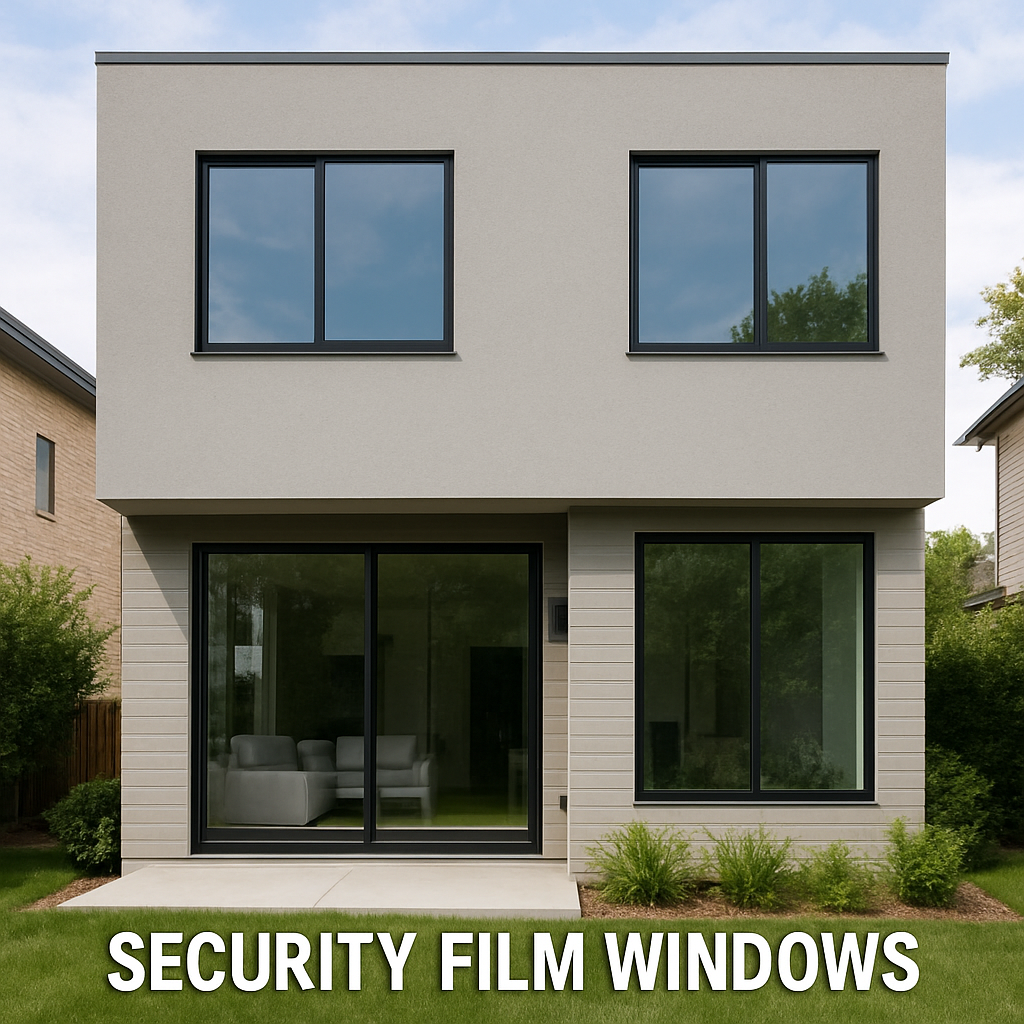
# Save Money by Using Security Film For Windows
In today’s fast-paced world, safety and cost-efficiency are top priorities for homeowners. One of the most effective ways to achieve both is by installing security film for windows. This innovative solution offers a multitude of benefits, from protecting your home to saving on energy costs. In this article, we’ll explore why security window film is a smart investment for any home.
What is Security Film for Windows?
Security film for windows is a thin, yet durable layer of polyester that is applied to the interior surface of glass windows. It is designed to hold glass fragments together in case of breakage, thereby reducing the risk of injury and enhancing the security of your home. According to the National Institute of Standards and Technology (NIST), protective glazing systems can significantly improve the performance of glass under impact conditions.
How Does It Work?
The film is adhered to the glass with a special adhesive that creates a strong bond. When the glass is shattered, the film holds the pieces in place, preventing them from scattering and causing harm. This characteristic makes it an invaluable addition to any home security strategy.
Benefits of Security Window Film
Security window film offers more than just protection from break-ins. Here are several compelling reasons to consider installing it in your home:
Enhances Home Security
One of the primary reasons homeowners opt for security window film is its ability to deter potential intruders. The film makes it more difficult to break the glass, slowing down burglars and increasing the chance of them being caught before gaining entry. According to the Cybersecurity & Infrastructure Security Agency (CISA), strengthening physical barriers like windows is a key component of improving residential security.
Reduces Energy Costs
Security film can also contribute to lower energy bills. It acts as an insulator, reducing heat transfer through the glass. This means your home stays cooler in the summer and warmer in the winter, lessening the reliance on heating and cooling systems and saving you money on energy costs. The U.S. Department of Energy highlights window films as an effective solution for improving energy efficiency in homes.
Protects Against UV Rays
The film blocks up to 99% of harmful UV rays, which can cause fading and damage to your furniture, flooring, and artwork. By protecting these interior elements, security film helps maintain the aesthetic appeal and longevity of your home’s interiors. The Skin Cancer Foundation also emphasizes the importance of UV protection through window treatments to reduce indoor UV exposure. Additionally, the Environmental Protection Agency (EPA) provides guidance on reducing UV exposure indoors and protecting health.
Increases Privacy
Certain types of security window film provide enhanced privacy by making it difficult for outsiders to see into your home. This added privacy is especially beneficial for windows facing streets or neighbors.
Types of Security Film
There are various types of security film to suit different needs and preferences:
Clear Security Film
Clear security film is the most common type, offering all the protective benefits without altering the appearance of your windows. It’s an ideal choice for those who want security without compromising the look of their home.
Tinted Security Film
Tinted films not only provide security but also reduce glare and add a touch of style to your windows. They come in various shades, allowing you to customize the appearance of your windows while enjoying increased privacy and energy savings.
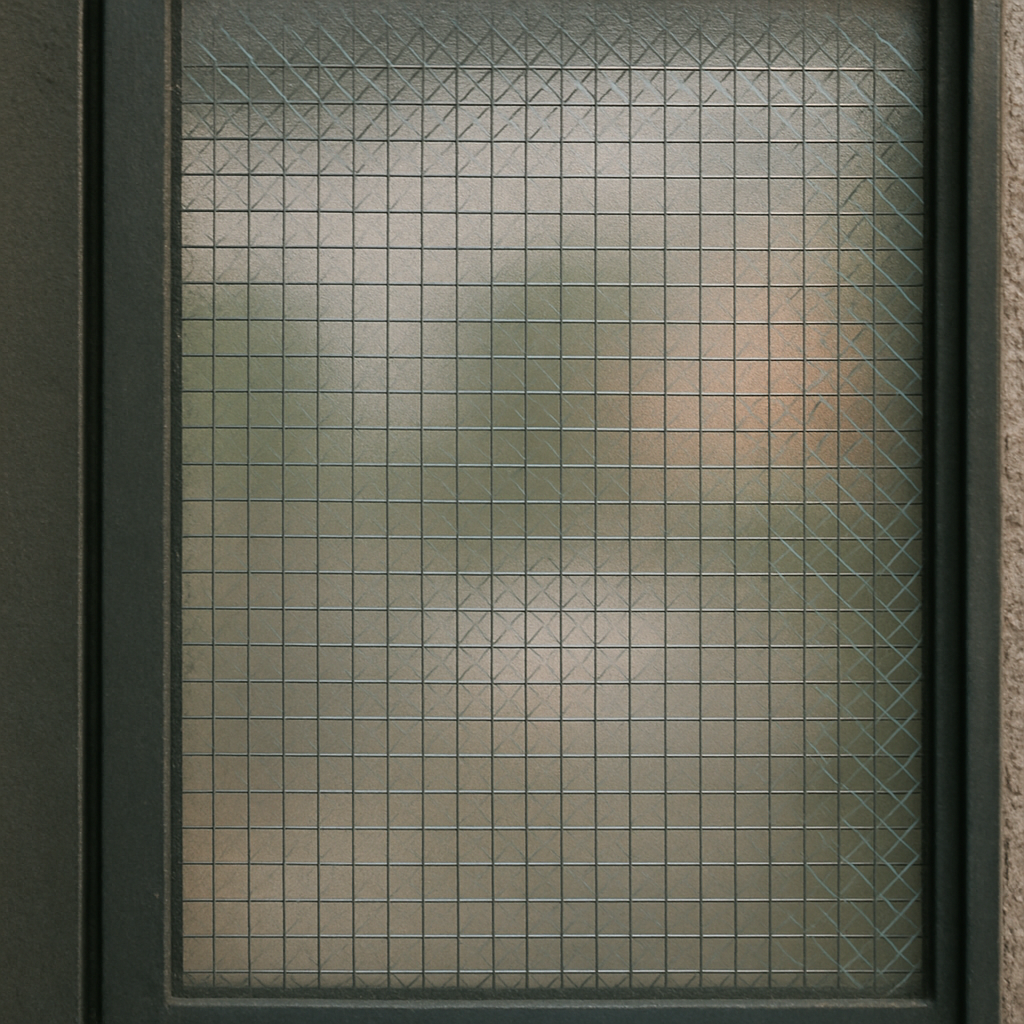
Decorative Security Film
For homeowners who want to add a decorative element to their windows, decorative security film is the perfect solution. Available in a range of patterns and designs, it combines aesthetics with functionality, enhancing both security and style.

by Laurence Ziegler (https://unsplash.com/@laurenceziegler)
Installation Process
Installing security film for windows is a straightforward process, but it requires precision to ensure maximum effectiveness. Here’s a brief overview of how it’s done:
Step 1: Measure and Cut
The first step is to measure the windows and cut the film to size. Accurate measurements are crucial to ensure the film fits perfectly without gaps or overlaps.
Step 2: Clean the Glass
The glass must be thoroughly cleaned to remove dust, dirt, and grease. A clean surface is essential for the film to adhere properly.
Step 3: Apply the Film
The film is applied to the window using a wet adhesive method. A spray bottle filled with a mixture of water and a small amount of soap helps position the film and remove air bubbles.
Step 4: Smooth Out Bubbles
A squeegee is used to smooth out any bubbles and ensure the film is securely adhered to the glass. This step is crucial for achieving a professional finish.
Step 5: Trim Excess Film
Finally, any excess film is trimmed away to create a neat, finished appearance.
Cost-Effectiveness and ROI
While the initial investment in security window film may seem significant, the long-term savings and benefits far outweigh the cost. By reducing energy bills, protecting interiors, and enhancing security, the film provides a return on investment that contributes to overall home value and peace of mind.
Conclusion
Security film for windows is a versatile and cost-effective solution for enhancing the safety, efficiency, and aesthetics of your home. Whether you’re an interior designer seeking stylish, eco-friendly options for clients, or a homeowner looking to improve security and reduce expenses, security window film is a smart choice. Consider installing it today to enjoy the many benefits it offers.
By choosing quality security film and professional installation, you can ensure your home is better protected and more energy-efficient for years to come.