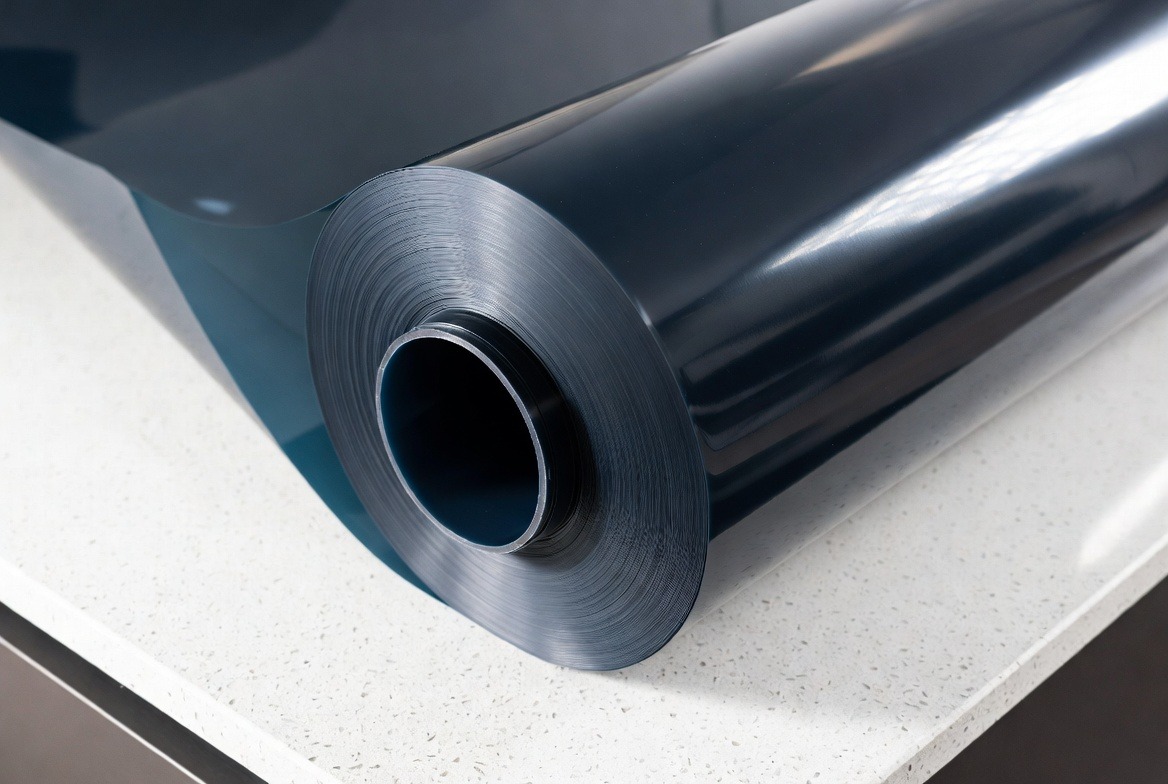
The application of solar film is not just about improving indoor comfort; it also plays a crucial role in energy conservation and sustainability. With the growing emphasis on eco-friendly living, solar film stands out as an accessible solution that aligns with green initiatives. As energy costs continue to rise, incorporating solar film into your home or business can also lead to significant savings over time. Understanding the intricacies of solar film installation and its myriad benefits will equip you to make informed decisions that enhance both the functionality and appearance of your spaces.
Solar film, also known as window film, is a thin layer of polyester or other materials that can be applied to glass surfaces in homes, offices, or cars. It comes in various types and shades, allowing for customization based on specific needs. Solar film is designed to control heat, reduce glare, block UV rays, and improve privacy without obstructing views. This versatility makes it an attractive option for a wide range of applications, from residential buildings to commercial establishments and vehicles.
The technology behind solar film has evolved significantly over the years, resulting in improved performance and durability. Modern solar films are engineered to withstand harsh weather conditions, maintain clarity, and provide long-lasting protection. Additionally, they can be tailored to match the aesthetic preferences of any space, offering both functional and decorative benefits. As awareness of its advantages grows, solar film is becoming an increasingly popular choice for those seeking to enhance their environments.
There are several types of solar film to consider, each with its own unique properties:
- Reflective Film: This type of film reflects sunlight and is highly effective in reducing heat and glare. It is ideal for rooms with high sun exposure. Reflective films are particularly beneficial for office buildings with large glass facades, where controlling heat gain can significantly reduce cooling costs.
- Neutral Film: Provides a more subtle appearance while still offering energy efficiency and glare reduction. Neutral films are often preferred in residential settings where maintaining natural light and unobstructed views is important. They strike a balance between functionality and aesthetics, making them a versatile choice for various applications.
- Ceramic Film: Known for its durability and clarity, ceramic film does not interfere with electronic signals and provides excellent UV protection. This type of film is ideal for environments where maintaining the integrity of wireless signals is crucial, such as in modern smart homes and tech-heavy office spaces.
- Decorative Film: Enhances privacy and adds aesthetic appeal with patterns or designs, making it perfect for interior design projects. Decorative films can be used creatively to add visual interest and define spaces without the need for additional construction or major renovations.
Solar film offers numerous advantages, making it a wise investment for both homeowners and interior designers:
- Energy Efficiency: By reducing heat gain, solar film helps maintain a consistent indoor temperature, leading to lower energy costs. This reduction in energy consumption not only saves money but also lessens the environmental impact of heating and cooling systems. According to the U.S. Department of Energy, energy-efficient window treatments can significantly reduce heat gain and improve overall building efficiency.
- UV Protection: Blocks up to 99% of harmful UV rays, protecting furniture, flooring, and artwork from fading. This protection extends the life of your interiors, preserving the investment you’ve made in high-quality furnishings and decor.
- Glare Reduction: Minimizes glare on screens and monitors, improving comfort and visibility. This is particularly beneficial in work-from-home setups and office environments, where screen time is significant and eye strain can be a concern.
- Privacy Enhancement: Certain films offer increased privacy without compromising natural light. This makes them ideal for areas where you want to maintain an open feel while still ensuring privacy, such as conference rooms or living areas.
Proper installation is key to maximizing the benefits of solar film. Here are some expert tips to ensure a successful application:
Select a film that meets your specific needs. Consider factors such as the level of sunlight exposure, privacy requirements, and aesthetic preferences. Consulting with a professional can help you make an informed decision. A professional can provide insights into the latest film technologies and recommend options that align with your specific goals, whether they’re energy savings, privacy, or aesthetic enhancements. If you’re looking to improve performance, explore solar window film energy efficiency solutions to better understand how advanced films can optimize comfort and savings.
Before applying solar film, clean the window thoroughly to remove any dust, dirt, or debris. A clean surface ensures better adhesion and a smooth finish. Use a mixture of water and mild detergent, and wipe with a lint-free cloth. Ensuring that the glass is spotless is crucial, as any residue or imperfections can lead to bubbles or peeling, which can compromise the film’s effectiveness.
Accurate measurements are crucial for a seamless fit. Measure the window dimensions carefully and cut the film slightly larger than the glass. This allows for adjustments during installation. Precision in cutting is key to avoiding gaps that can detract from the film’s appearance and performance.
To apply the film, peel off the backing and spray the adhesive side with a solution of water and a few drops of dish soap. This solution will help position the film on the glass. Starting from the top, gradually smooth out the film using a squeegee, working from the center outwards to eliminate air bubbles. Taking your time during this step will ensure a professional finish that enhances the longevity and effectiveness of the film.
Once the film is in place, use a sharp utility knife to trim excess film along the edges. Be cautious to avoid scratching the glass. A precise trim will give the film a clean, seamless look and prevent peeling or lifting at the edges over time.
After installation, allow the film to cure for a few days. During this time, avoid cleaning the windows or applying pressure to the film. This curing period is essential for the adhesive to fully bond with the glass, ensuring maximum durability and performance.
Proper maintenance ensures the longevity and performance of your solar film:
- Cleaning: Use a soft cloth and a mild cleaning solution to clean the windows. Avoid using abrasive materials or ammonia-based cleaners that can damage the film. Regular, gentle cleaning will help maintain the film’s appearance and effectiveness, preventing buildup that can obscure views or reduce performance.
- Inspection: Periodically inspect the film for any signs of wear or damage. Promptly address any issues to maintain optimal performance. Regular inspections can help you catch potential problems early, such as peeling edges or scratches, which can be easily fixed if identified in time.
- Professional Assessment: Consider professional assessments every few years to ensure the film remains in good condition and continues to provide benefits. Professionals can recommend replacements or upgrades based on the latest film technologies, ensuring your investment continues to provide maximum benefits. For broader sustainability practices in buildings, the U.S. Environmental Protection Agency (EPA) provides guidance on improving energy performance.
For interior designers, solar film offers an opportunity to enhance the aesthetic and functional aspects of a space. Here are some ideas on how to incorporate solar film into your design projects:
Choose decorative films that align with your design theme. From frosted patterns to custom designs, decorative films add a touch of elegance and personality to any room. These films can be used to create focal points or subtle accents, complementing existing design elements and enhancing the overall aesthetic appeal.
Incorporate solar film as part of your eco-friendly design solutions. By reducing the reliance on air conditioning and artificial lighting, solar film contributes to a sustainable living environment. Designing with solar film in mind allows you to create spaces that are not only beautiful but also aligned with clients’ growing interest in sustainability and energy efficiency.
Educate clients on the benefits of solar film and offer it as a cost-effective solution for reducing energy bills and protecting interiors. Clients will appreciate the added value and long-term savings. Providing clients with information about the practical and financial benefits of solar film can enhance their satisfaction and demonstrate your commitment to innovative, forward-thinking design solutions.
Solar film is a versatile and effective solution for improving the energy efficiency, comfort, and aesthetics of any space. Whether you’re a homeowner looking to upgrade your living environment or an interior designer seeking innovative solutions for clients, understanding the benefits and installation process of solar film is essential. By following these expert tips, you can ensure a successful application and enjoy the numerous advantages that solar film provides. Embrace the possibilities of solar film and transform your living or working space into a more efficient and enjoyable environment. As the demand for sustainable and cost-effective solutions grows, solar film stands out as a practical choice that offers both immediate and long-term benefits.