
# Keep the Cold Out: How Window Tinting Works in Winter
As temperatures drop and winter approaches, keeping your home warm and energy-efficient becomes a priority. While many homeowners turn to traditional methods like insulation and weatherstripping, window tinting is often overlooked. In this article, we’ll explore how window tinting works in winter, its benefits, and why it might be the perfect solution for your home.
Window tinting involves applying a thin film to the interior of your windows. This film can be made of various materials, including polyester, metal, or ceramic, and it’s designed to improve energy efficiency and add privacy. In winter, window tinting serves as a barrier that helps to retain heat, keeping the cold out and the warmth in.
How Window Tinting Works in the Winter
Window tinting in winter works by reducing heat loss through windows, which are typically the weakest point of insulation in a home. According to the U.S. Department of Energy, windows can account for significant heat loss in colder months. Quality window films are engineered to reflect heat back into the room. This process helps maintain a stable indoor temperature and reduces the amount of energy needed to heat your home.
Types of Window Film
There are different types of window films available, each with its own set of benefits:
- Solar Control Film: This film is excellent for reducing glare and blocking harmful UV rays. It also helps in retaining heat during the colder months.
- Insulating Film: Specifically designed for winter, insulating film enhances the thermal performance of windows, minimizing heat loss.
- Decorative Film: While primarily used for aesthetic purposes, decorative films can also provide some degree of insulation.
- Security Film: Adds an extra layer of protection against break-ins and strengthens the glass, which can be beneficial during winter storms.
Benefits of Window Tinting in Winter
Improved Energy Efficiency
By reducing heat loss, window tinting significantly improves your home’s energy efficiency. This means your heating system doesn’t have to work as hard, leading to lower energy bills. Improving window performance is also aligned with recommendations from the U.S. Environmental Protection Agency (EPA) on reducing household energy consumption.
Enhanced Comfort
With window tinting, you can enjoy a more comfortable living environment. The film helps to maintain a consistent temperature, reducing cold spots and drafts that often occur around windows.
UV Protection
Winter sun can be just as harmful as summer sun. Window films block up to 99% of UV rays, protecting your furniture, flooring, and other interior elements from fading.
Increased Privacy
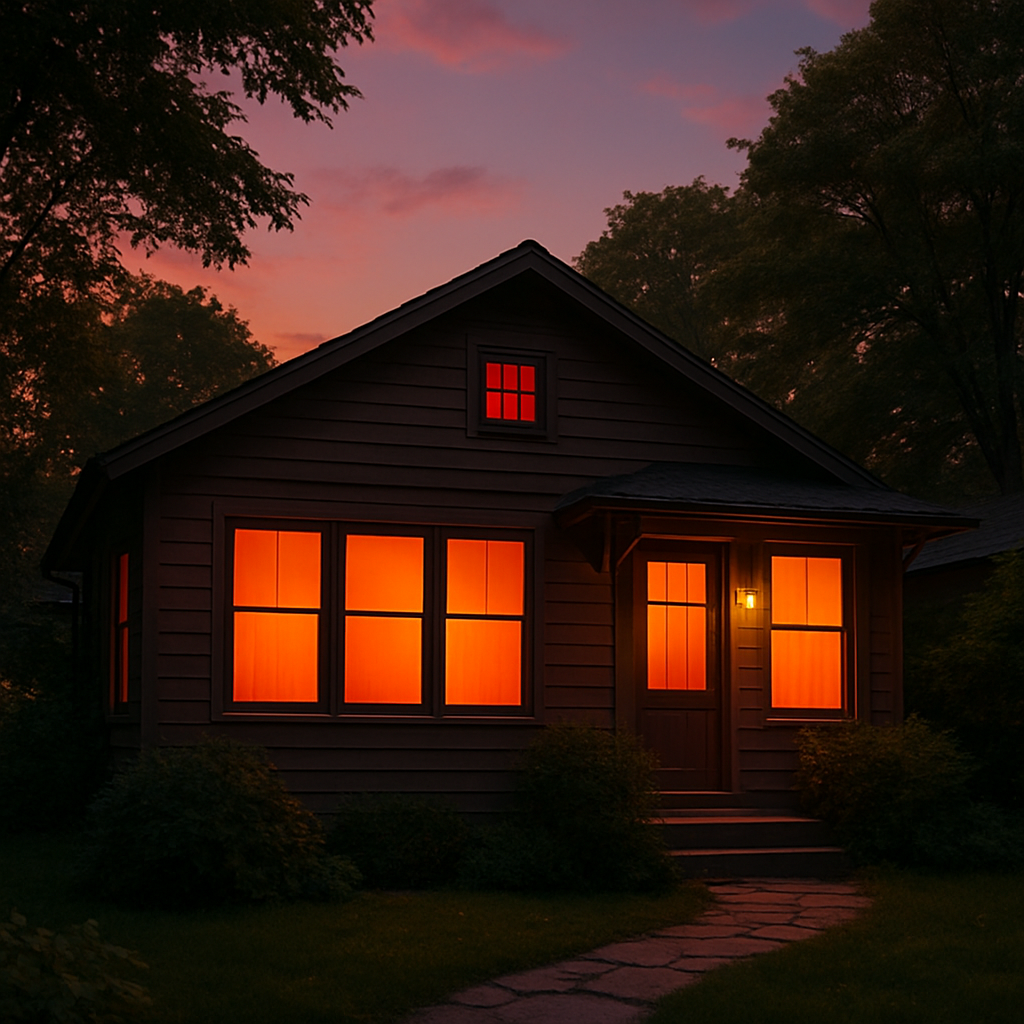
Window tinting can also enhance privacy by limiting the view from the outside without obstructing your view from the inside. This feature is particularly valuable during the shorter days of winter when interior lights are on more frequently.
Installation Considerations
When considering window tinting for winter, it’s essential to choose the right type of film and ensure proper installation. Here are some tips to guide you:
Selecting the Right Film
Consider your specific needs when choosing a window film. If energy efficiency is your primary concern, opt for insulating or solar control films. For added security, consider films that offer both thermal and protective benefits.
Professional Installation
While some DIY kits are available, professional installation is recommended for the best results. Experienced installers can ensure the film is applied correctly without bubbles or creases, maximizing its effectiveness.
Real-World Applications

by Davis Patton (https://unsplash.com/@davispatton)
Let’s look at how window tinting can benefit different types of homes:
Urban Apartments
In city settings, window tinting can help reduce noise pollution while maintaining privacy. It also minimizes heat loss, which is particularly beneficial in older buildings with single-pane windows.
Suburban Homes
For suburban homes, window tinting can enhance curb appeal while providing energy savings. Tinted windows can also add a layer of protection against winter storms.
Historic Properties
Preserving the aesthetic of historic properties is crucial. Decorative films offer a stylish solution that enhances energy efficiency without compromising the building’s character.
Environmental Impact
Window tinting is an eco-friendly option that contributes to energy conservation. By reducing the demand for heating, window films help decrease your carbon footprint, aligning with sustainable living practices.
Conclusion
Incorporating window tinting into your winter home maintenance plan can offer numerous benefits, from improved energy efficiency to enhanced comfort and privacy. Whether you’re an interior designer seeking cost-effective solutions or a homeowner looking to upgrade your living space, window tinting is a smart investment that pays off in the long run. Consider exploring the various options available and consult with a professional to determine the best fit for your home.
Remember, keeping the cold out doesn’t have to mean sacrificing style or comfort. With the right window tint, you can enjoy a cozy, energy-efficient home all winter long.