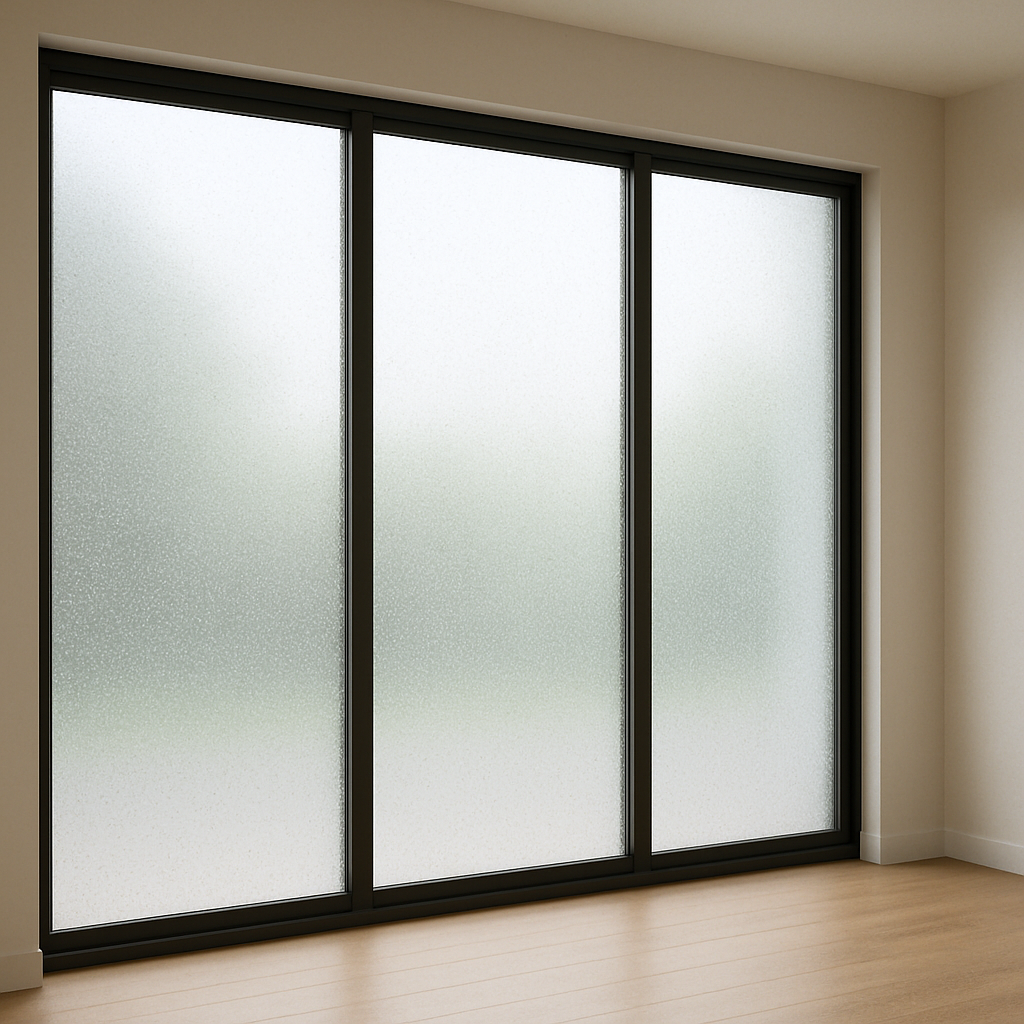
Window films are thin layers applied to glass surfaces, designed to improve energy efficiency, reduce glare, and protect interiors from harmful UV rays. These films come in various types, each with unique properties that affect how much light they let through. Understanding these properties is essential for making an informed decision that benefits both your home and your plants.
The primary function of window films is to control the light and heat entering through glass surfaces. This control can lead to significant energy savings and improved comfort within your home. However, the key is to select the right type of film that aligns with your specific needs, particularly regarding the lighting conditions your plants require. Let’s explore the different types of window films available and how they interact with natural light.
Types of Window Films
- Glare Reduction Film: This film type is specifically designed to minimize the harsh glare from sunlight, enhancing comfort in your living space without significantly reducing natural light. It is particularly beneficial for rooms with screens, such as home offices or living rooms with televisions, where glare can be a distraction. By diffusing intense sunlight, glare reduction films provide a balanced light environment, supporting both human and plant needs.
- UV Protection Film: Known for its ability to block up to 99% of harmful UV rays, this film protects interiors from fading while allowing most of the visible light spectrum to pass through. This ensures that your plants receive adequate light for photosynthesis, making it an excellent choice for plant enthusiasts. UV protection films not only safeguard your furniture and artwork but also create a nurturing environment for your indoor garden.
- Decorative Film: These films offer privacy and aesthetic appeal while allowing a moderate amount of light to enter. Available in various patterns and textures, decorative films can enhance the visual appeal of your home. They provide an opportunity to add a stylish touch to your interiors without compromising the light your plants need. By selecting the right design, you can achieve both privacy and a conducive environment for plant growth.
How Window Film Affects Plant Growth
Plants rely on the visible light spectrum for photosynthesis, the process that allows them to grow and thrive. Most window films are engineered to block UV rays without significantly affecting visible light. This means that, with the right film, your plants can still enjoy the sunlight they need. However, understanding the specific light requirements of your plants is essential in selecting the appropriate film.
It is important to choose a film that aligns with your plant’s light requirements. Some plants, like succulents and cacti, thrive in bright, direct sunlight, while others, like ferns and snake plants, do well in lower light conditions. Assessing the light needs of your plants is crucial when selecting a window film. By doing so, you can ensure that your plants continue to receive the optimal light conditions for healthy growth.
Balancing Light Needs and Home Improvement Goals
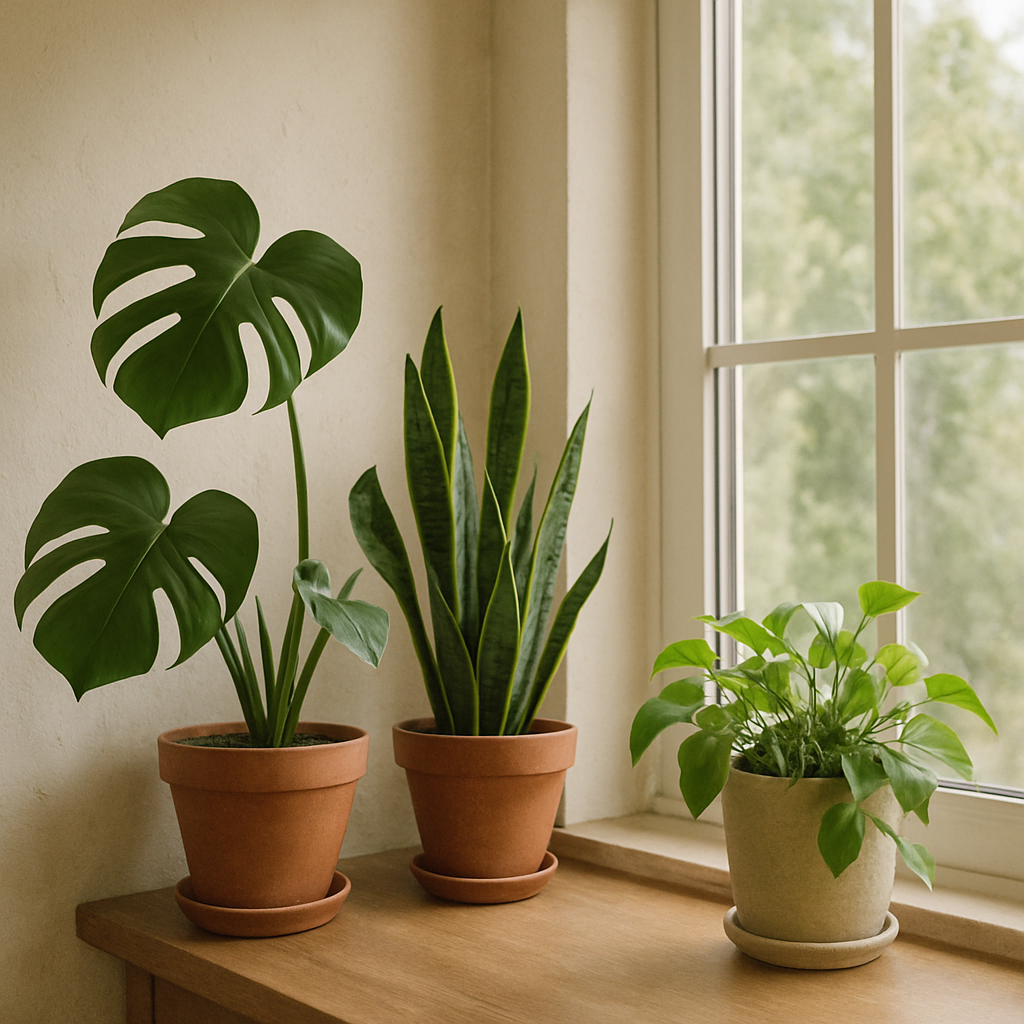
Achieving a balance between enhancing your home environment and maintaining healthy plants is possible with the right approach. With careful planning and consideration, you can enjoy the benefits of window film without sacrificing the well-being of your plants. Here are some strategies to consider:
Assess Your Plants’ Light Needs
Before installing window film, identify which plants require direct sunlight and which can tolerate indirect light. Grouping plants with similar light needs together near windows that receive the appropriate amount of sunlight can optimize their growth. This strategic placement ensures that each plant receives the right amount of light, promoting a thriving indoor garden.
Understanding the specific light requirements of your plants is key to creating an environment where they can flourish. By taking the time to assess these needs, you can make informed decisions about window film placement and selection, ensuring that both your home and your plants benefit from the film’s advantages.
Choose the Right Window Film
Select a window film that complements your interior design goals while still meeting your plants’ light needs. For instance, if glare reduction is a priority in your living room, but you have light-loving plants, opt for a glare reduction film that allows ample visible light. This ensures that your plants receive the necessary light for photosynthesis while you enjoy a more comfortable living environment.
The right window film can enhance the aesthetic appeal of your home while providing functional benefits. By carefully choosing a film that aligns with both your design preferences and your plants’ requirements, you can achieve a harmonious balance between style and plant health.
Consider Partial Film Application
If you have specific areas where plants need more light, consider applying window film only to portions of the window. This technique allows you to tailor the light exposure for different parts of the room, ensuring your plants receive the sunlight they require. Partial film application provides flexibility in managing light distribution and can be a practical solution for diverse plant needs.
By customizing the application of window film, you can create micro-environments within your home that cater to the unique needs of different plants. This approach allows you to enjoy the benefits of window film while ensuring that each plant receives the optimal light conditions for growth.
Installation and Maintenance Tips
When it comes to installing window film, precision and quality are key to ensuring optimal results. Proper installation and maintenance can enhance the performance and longevity of the film, contributing to a more comfortable and energy-efficient home environment. Here are some tips to help you get started:
Professional Installation
For best results, consider hiring a professional to install your window film. They can ensure a smooth application without bubbles or creases, which can affect the film’s performance and appearance. Professional installation guarantees that the film adheres properly to the glass surface, maximizing its benefits and ensuring a polished look.
A professional installer can also provide valuable insights into the best type of film for your specific needs and offer advice on placement and application techniques. Their expertise can help you achieve the desired outcomes while minimizing potential issues related to improper installation.
Regular Cleaning
Keep your window film clean to maintain its effectiveness. Use a soft cloth and a gentle cleaning solution to wipe away dust and smudges, ensuring that light can pass through unobstructed. Regular cleaning not only preserves the clarity and appearance of the film but also enhances its performance by allowing maximum light transmission.
By incorporating routine maintenance into your cleaning schedule, you can extend the lifespan of your window film and ensure that it continues to provide the desired benefits for both your home and your plants.
Monitor Plant Health
After installing window film, keep an eye on your plants’ health. If you notice any signs of light deficiency, such as wilting or stunted growth, consider repositioning your plants or adjusting the film application to improve light exposure. Monitoring plant health is essential in ensuring that your indoor garden thrives under the new lighting conditions.
By staying attentive to changes in plant health, you can make timely adjustments that enhance light conditions and promote healthy growth. This proactive approach helps maintain a vibrant and flourishing indoor garden, even with the addition of window film.
Real-World Examples and Testimonials
Many homeowners have successfully integrated window film into their living spaces without sacrificing plant health. These examples highlight the versatility and effectiveness of window film in creating a comfortable and nurturing home environment. Here are a few examples:
Case Study: A Sunroom Transformation
One homeowner transformed their sunroom into a comfortable, glare-free retreat by installing a UV protection film. Their collection of tropical plants continued to thrive, thanks to the film’s ability to block harmful UV rays while allowing plenty of visible light. This transformation not only enhanced the comfort of the sunroom but also created an ideal environment for the homeowner’s lush indoor garden.
The sunroom became a favorite spot for relaxation and enjoyment, with the window film playing a crucial role in maintaining the well-being of both the homeowner and their plants. This case study demonstrates the positive impact that the right window film can have on both home comfort and plant health.
Testimonial: A Bright and Stylish Kitchen
An interior designer used decorative window film in a client’s kitchen to enhance privacy and style. The client’s herb garden on the windowsill flourished, as the film allowed enough light for growth while providing the desired aesthetic. This successful integration of window film showcases how style and functionality can coexist, resulting in a beautiful and practical kitchen space.
The designer’s thoughtful choice of decorative film not only met the client’s design preferences but also supported the healthy growth of their indoor garden. This testimonial highlights the potential for window film to enhance both the appearance and functionality of a space, benefiting both homeowners and their plants.
The Bottom Line

by Lhar Capili
Window film can be a valuable addition to your home, offering benefits like glare reduction, UV protection, and enhanced privacy. By choosing the right type of film and considering your plants’ light requirements, you can create a harmonious living environment that meets both your home improvement goals and your plants’ needs. The versatility of window film allows you to customize your space while ensuring that your indoor garden remains vibrant and healthy.
In conclusion, window film doesn’t have to interfere with the natural light your plants require. With careful selection and placement, you can enjoy the benefits of window film while keeping your indoor garden lush and thriving. By prioritizing the light needs of your plants and aligning them with your home improvement goals, you can achieve a balanced and inviting living space that caters to both human and plant occupants.