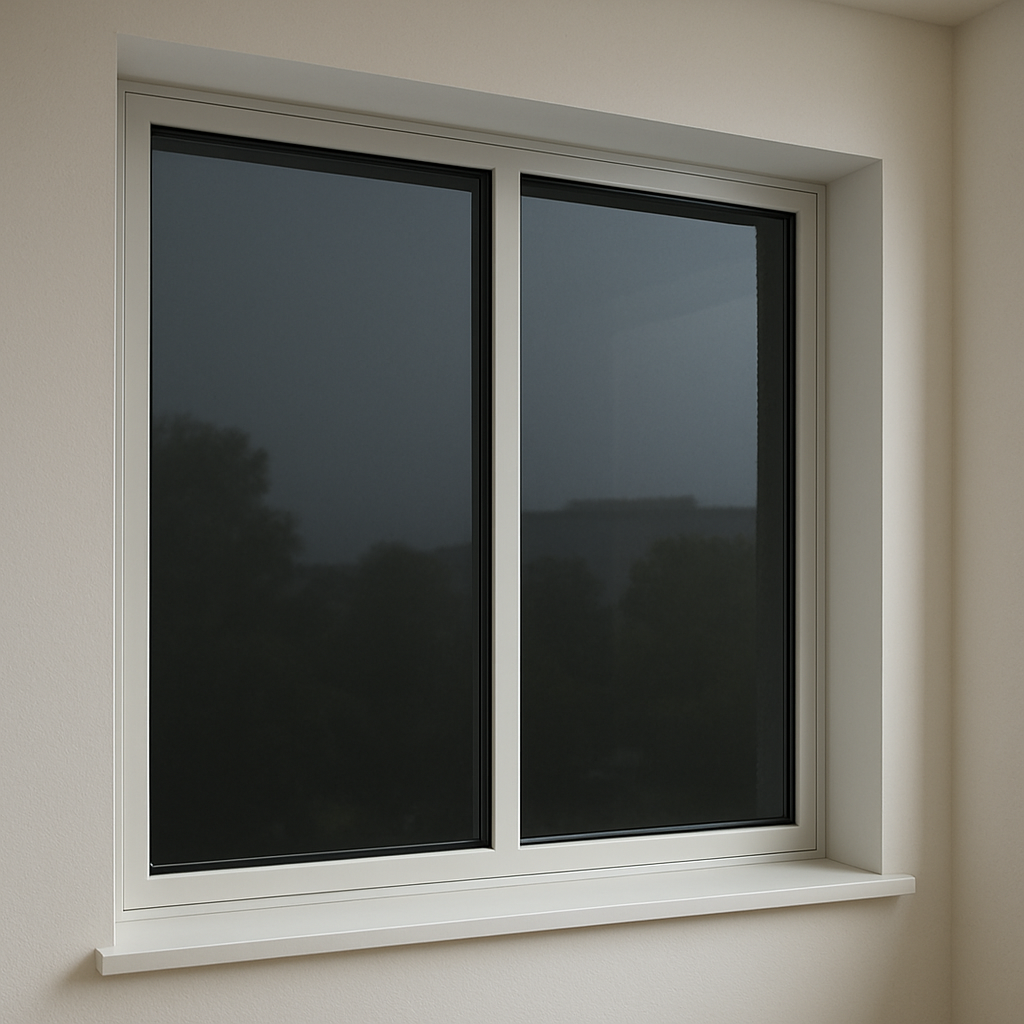
# Is Now the Right Time for House Window Tint
When considering home improvements, window tinting might not be the first thing that comes to mind. However, it offers a range of benefits that can enhance your living space, improve energy efficiency, and increase privacy. If you’re an interior designer looking for stylish, eco-friendly solutions or a homeowner aiming to upgrade your windows, now might be the perfect time to consider house window tint.
House window tinting involves applying a thin film to the interior of your windows. This film can serve several purposes, such as reducing glare, blocking UV rays, and adding an element of privacy. There are various types of window films available, each designed to cater to different needs.
Benefits of Window Tinting
- Energy Efficiency: One of the most significant advantages of window tinting is its ability to enhance energy efficiency. By reducing heat gain during the summer and heat loss in the winter, window films can help maintain a consistent indoor temperature. This can lead to lower energy bills and a reduced carbon footprint. Learn more about choosing the right energy-efficient window tint for your home. For additional guidance on improving home energy performance, see the U.S. Department of Energy’s recommendations on energy-efficient window coverings. You can also explore performance ratings and standards from the National Fenestration Rating Council (NFRC).
- UV Protection: Window tints can block up to 99% of harmful UV rays. This protection helps prevent fading of interior furnishings, flooring, and artwork, ensuring that your decor remains vibrant for longer. According to the Environmental Protection Agency (EPA), reducing UV exposure is an important step in protecting both people and interiors from long-term damage.
- Increased Privacy: Privacy films can obscure the view from outside without sacrificing natural light. This makes them an ideal choice for street-facing windows or rooms where you want to maintain privacy without resorting to heavy curtains or blinds.
- Glare Reduction: By reducing glare from sunlight, window tints create a more comfortable environment for activities like watching TV, working on a computer, or reading.
- Enhanced Security: Some security films are thicker and designed to hold glass fragments together in the event of a breakage, reducing the risk of injury and making it more difficult for intruders to enter.
Types of Window Tinting
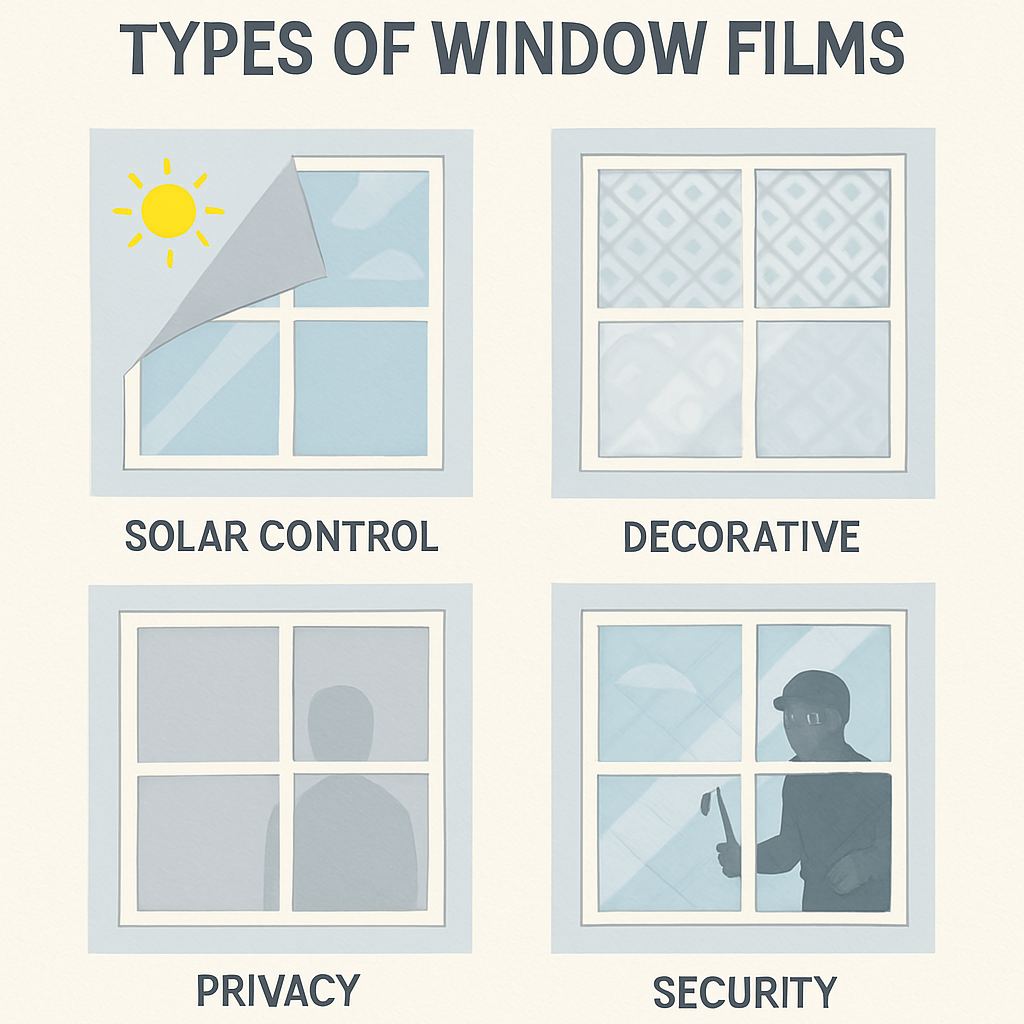
Choosing the right window tint depends on your specific needs and preferences. Here are some common types of window films:
Solar Control Films
These films are designed to reduce solar heat gain, making your home more energy-efficient. They are ideal for windows that receive a lot of direct sunlight.
Decorative Films
If you’re looking to add a touch of style, decorative films offer a variety of patterns and designs. They can enhance the aesthetic appeal of your windows and complement your interior design.
Privacy Films
Privacy films are perfect for areas where you want to maintain a level of privacy. They come in different opacities and can be frosted, tinted, or mirrored.
Security Films
Security films are thicker and designed to reinforce glass, providing an extra layer of protection against break-ins and natural disasters.
Installation Process

by Blake Harbison (Unsplash Profile)
The installation of window tinting is a straightforward process but should be done by a professional to ensure the best results. Here’s what you can expect:
- Consultation: A professional will assess your windows and discuss your specific needs to recommend the best type of film for your home.
- Preparation: The windows will be thoroughly cleaned to ensure that the film adheres properly.
- Application: The film is carefully applied to the window surface, trimmed to fit, and smoothed out to remove any air bubbles.
- Curing: Once applied, the film needs time to cure and adhere completely to the glass. This process can take a few days, depending on the type of film and environmental conditions.
Is It Worth the Investment?
The decision to install house window tint should be based on your specific needs and circumstances. Here are a few factors to consider:
Cost vs. Savings
While the initial cost of window tinting can vary, the potential savings on energy bills and reduced wear on furnishings can make it a cost-effective investment over time.
Aesthetic Appeal
Window films can enhance the visual appeal of your home, adding a modern touch that complements any decor style.
Environmental Impact
By reducing your energy consumption, window tinting contributes to a more sustainable and eco-friendly home.
Conclusion
House window tinting offers a practical and stylish solution for enhancing your living space. Whether you’re looking to improve energy efficiency, increase privacy, or add a decorative element to your windows, the benefits of window tinting are clear. As an interior designer or homeowner, investing in window tinting can provide long-term savings and a more comfortable, aesthetically pleasing environment.
With a range of options available, now is the perfect time to explore how window tinting can transform your home. By partnering with a professional installer, you can ensure that your window tinting meets your specific needs and enhances the beauty and functionality of your space.
If you’re ready to make a change, contact a window tinting expert today to discuss the best options for your home. Your windows are more than just a view to the outside world—they’re an integral part of your home’s design and efficiency. Let’s make them work for you.