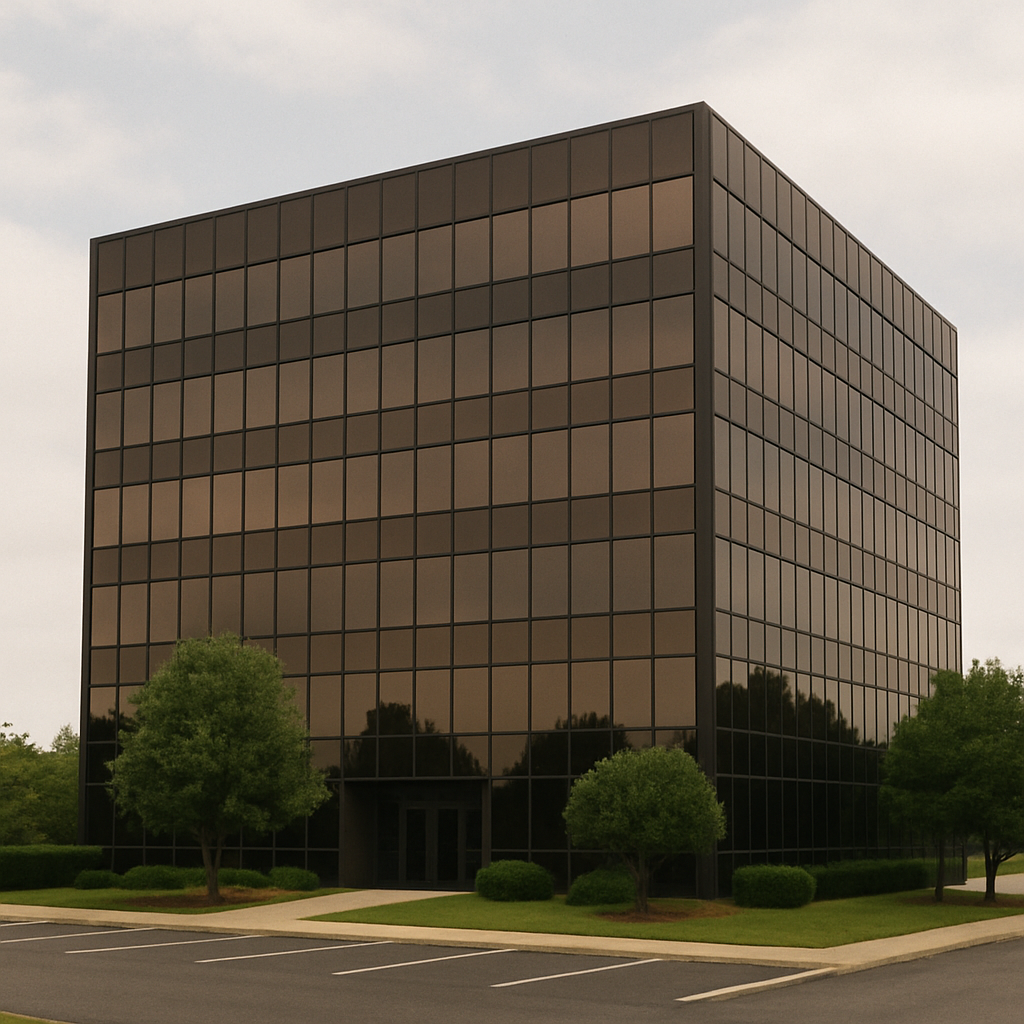
In the world of commercial property management, finding cost-effective solutions that also enhance aesthetics and improve energy efficiency can be a challenge. Commercial window tinting is an often-overlooked solution that offers significant benefits, including energy savings, improved comfort, and an attractive return on investment (ROI). It is an investment that not only addresses immediate operational concerns but also aligns with long-term strategic goals for sustainability and efficiency.
In this article, we’ll explore the various advantages of commercial window tinting and how it can be a wise investment for businesses. From financial benefits to environmental impact, window tinting offers a holistic solution that caters to a wide array of business needs. Understanding these advantages can empower property managers to make informed decisions that bolster both the bottom line and the overall appeal of their buildings.
Commercial window tinting involves applying a thin film to the interior or exterior of a building’s windows. This film is designed to control the amount of sunlight and heat that enters the building, offering a range of benefits from improved energy efficiency to enhanced privacy. The versatility of window films means they can be tailored to meet specific needs, whether for a high-rise office building or a small retail space.
What Does Window Tinting Involve?
The process of window tinting includes selecting the right type of film based on the building’s needs. There are various types of films, including solar control films, security films, and decorative films. Each serves a unique purpose, such as reducing glare, increasing privacy, or adding a stylistic element to the building. Installation is typically quick and minimally disruptive, ensuring that business operations can continue smoothly.
Choosing the right film requires an understanding of the building’s exposure to sunlight, the level of privacy required, and the aesthetic goals of the business. Professional installers can assess these factors and recommend the most suitable options, ensuring that the window tinting not only meets functional needs but also complements the building’s design.
Common Misconceptions
A common misconception is that window tinting will drastically darken the interior of a building. However, modern films are designed to let in natural light while blocking harmful UV rays and reducing heat. This ensures that spaces remain bright and welcoming. In fact, many films are virtually undetectable once installed, maintaining the building’s natural appearance while enhancing its functionality.
Another misconception is that window tinting is only beneficial in sunny climates. While it’s true that the benefits are more pronounced in areas with abundant sunlight, window tinting can also provide advantages in cooler climates by maintaining indoor temperatures and reducing heating costs. This makes it a versatile solution for businesses regardless of geographic location.
The Financial Benefits of Window Tinting
One of the primary reasons businesses consider window tinting is its ability to reduce energy costs significantly, contributing to a compelling ROI. The financial implications of window tinting extend beyond immediate savings, offering long-term benefits that can substantially impact a company’s financial health.
Energy Savings and Cost Reduction

Window film can dramatically reduce the amount of heat entering a building, which means less reliance on air conditioning systems to maintain a comfortable temperature. By reducing the demand on HVAC systems, businesses can see a notable decrease in energy bills. According to the International Window Film Association, window films can reduce cooling costs by up to 30%. These savings can be reinvested into other areas of the business, fostering growth and innovation.
In addition to cooling cost savings, window tinting can also reduce heating expenses in colder months by insulating windows and preventing heat loss. This year-round impact on energy consumption further enhances the financial attractiveness of window tinting, providing a comprehensive approach to energy management.
Extending the Life of Interior Furnishings
UV rays can cause significant damage to interior furnishings, leading to fading and deterioration over time. Window films can block up to 99% of these harmful rays, preserving the integrity of furniture, carpets, and artwork, and reducing the need for costly replacements. This protection ensures that interior spaces maintain their aesthetic appeal and functionality for years to come.
By extending the lifespan of interior furnishings, businesses can allocate their budgets more effectively, focusing on improvements and innovations rather than replacement costs. This not only enhances the aesthetic appeal of the space but also contributes to the company’s sustainability efforts by reducing waste.
Enhancing Comfort and Productivity
Beyond financial savings, window tinting can create a more comfortable and productive environment for employees and customers. The impact on comfort and productivity is significant, as it addresses common workplace challenges such as glare and temperature fluctuations.
Reducing Glare and Eye Strain
Glare from the sun can be a major distraction, causing eye strain and reducing productivity. By minimizing glare, window films create a more conducive work environment, allowing employees to focus better and work more efficiently. This can lead to increased job satisfaction and a reduction in workplace errors, contributing to overall business success.
The reduction in glare is particularly beneficial in environments where computer screens are used extensively, as it reduces the need for additional lighting and enhances screen visibility. This improvement in working conditions can have a positive impact on employee health and morale, leading to a more engaged and motivated workforce.
Improving Temperature Regulation
Window films help maintain consistent indoor temperatures, reducing hot spots near windows and making the entire space more comfortable. This can lead to increased satisfaction and productivity among employees and a more pleasant experience for customers. Consistent temperatures also prevent overuse of HVAC systems, extending their lifespan and reducing maintenance costs.
By providing a stable and comfortable indoor environment, businesses can reduce employee turnover and improve customer retention. A comfortable space reflects well on the business, enhancing its reputation and appeal to both current and potential clients.
Environmental Impact and Sustainability

by wei (https://unsplash.com/@chanwei_snap)
As businesses strive to become more environmentally conscious, window tinting offers a simple way to reduce their carbon footprint. The environmental benefits of window tinting align with global trends towards sustainability and responsible business practices.
Lowering Energy Consumption
By decreasing the reliance on air conditioning, window tinting helps reduce overall energy consumption. This not only lowers utility bills but also minimizes the environmental impact of a building’s operations. The reduction in energy use contributes to a decrease in greenhouse gas emissions, supporting global efforts to combat climate change.
Implementing energy-efficient solutions like window tinting demonstrates a commitment to sustainable practices, enhancing a company’s reputation as an environmentally responsible entity. This can be a key differentiator in competitive markets, appealing to eco-conscious consumers and clients.
Supporting Green Building Initiatives
Window tinting can contribute to achieving LEED (Leadership in Energy and Environmental Design) certification points. This certification is a globally recognized symbol of sustainability achievement and leadership, and having it can enhance a company’s reputation and appeal. LEED certification can also open up new business opportunities, particularly with organizations that prioritize sustainability in their partnerships and procurement processes.
Beyond LEED, window tinting can support other green building initiatives by contributing to healthier indoor environments and reducing energy demand. This alignment with sustainability goals ensures that businesses can meet regulatory requirements and participate in various environmental programs.
The Aesthetic Appeal of Window Tinting
Window films are available in various styles and finishes, allowing businesses to enhance the visual appeal of their buildings without undergoing major renovations. The aesthetic benefits of window tinting complement its functional advantages, offering a comprehensive solution for modern businesses.
Customizable Options
Businesses can choose from a range of tinting options to suit their aesthetic preferences and functional needs. Whether it’s a sleek, modern look or a more traditional appearance, there’s a window film to match every design vision. Customizable options ensure that businesses can maintain their brand identity and create spaces that resonate with their values and culture.
The ability to tailor window films to specific design requirements allows businesses to experiment with different styles and finishes, enhancing the overall look and feel of their buildings. This flexibility makes window tinting an attractive option for businesses looking to refresh their image or adapt to changing trends.
Privacy and Security Enhancements
In addition to aesthetics, certain window films can increase privacy by obscuring the view into a building, protecting sensitive information and enhancing security. Security films can also add a layer of protection against break-ins by making windows more resistant to shattering. This dual function of privacy and security ensures that businesses can protect their assets and maintain a safe environment for employees and clients.
The enhanced security provided by window films is particularly valuable in urban areas or locations with higher crime rates, offering peace of mind to business owners and staff. This additional layer of protection can also reduce insurance premiums, adding another dimension to the financial benefits of window tinting.
Calculating the Return on Investment
The initial cost of window tinting varies based on the size of the building, type of film, and installation specifics. However, the long-term savings and benefits often outweigh the initial investment. Understanding the factors that influence ROI can help businesses make informed decisions about window tinting.
Factors Affecting ROI
To calculate the ROI of window tinting, consider the following factors:
- Reduction in energy costs
- Decreased wear and tear on furnishings
- Increased comfort and productivity
- Extended lifespan of HVAC systems
These factors collectively contribute to a comprehensive assessment of the financial and operational benefits of window tinting. By analyzing these elements, businesses can forecast the potential savings and determine the timeline for recouping their investment.
Real-Life Example: A Case Study
Consider a mid-sized office building that invests in solar control window films. After installation, the building sees a 25% reduction in energy costs and fewer complaints about temperature discomfort from employees. Over five years, the energy savings alone cover the cost of the window films, resulting in a positive ROI. This case study illustrates how window tinting can deliver tangible benefits, reinforcing its value as a strategic investment.
The success of this investment is further highlighted by improved employee satisfaction and productivity, demonstrating the multifaceted advantages of window tinting. By considering similar case studies, businesses can better understand the potential outcomes and tailor their window tinting strategies to achieve optimal results.
Conclusion
Commercial window tinting is a smart investment for businesses looking to improve energy efficiency, enhance comfort, and add aesthetic appeal to their buildings. With its ability to deliver substantial energy savings and contribute to a more sustainable operation, window tinting is a viable solution for any commercial property owner. The blend of financial, environmental, and aesthetic benefits makes window tinting a comprehensive solution for modern business challenges.
Whether you aim to improve employee productivity, protect interior assets, or simply reduce energy costs, window tinting offers a practical and cost-effective solution that pays for itself over time. Consider how this innovative approach can benefit your business today. By embracing the advantages of window tinting, businesses can position themselves for success in an increasingly competitive and environmentally conscious market.