Categories
Window Tinting and Film

Is Window Insulation Film a Good Investment for Energy Savings

In the quest for energy efficiency and cost savings, homeowners often overlook one crucial element: windows. Windows are a vital part of any home, but they can also be a major source of energy loss. If you’re looking for a way to reduce your energy bills and make your home more comfortable, window insulation film might just be the solution you need.

Understanding Window Insulation Film

Window insulation film is a thin layer of plastic applied to the interior or exterior of your windows. It’s designed to reduce heat transfer, keep your home cooler in the summer, and warmer in the winter. The film works by reflecting heat back into the room or preventing it from entering, depending on the season.

How Does It Work?

The science behind window insulation film is simple yet effective. The film reflects infrared light, which is responsible for heat. During the winter, the film helps retain heat within your home, while in the summer, it reflects heat away, keeping your space cooler. This dual action helps maintain a consistent indoor temperature, reducing the need for excessive heating or cooling.

Diagram of how window insulation film works

Benefits of Window Insulation Film

The advantages of window insulation film are numerous, ranging from energy savings to improved comfort and aesthetics.

Energy Efficiency and Cost Savings

One of the primary benefits of window insulation film is its ability to reduce energy consumption. By minimizing heat transfer, your HVAC system doesn’t have to work as hard, leading to lower energy bills. Studies suggest that window film can help reduce energy costs by up to 30%. This makes it a cost-effective solution for homeowners looking to save money while reducing their carbon footprint.

Enhanced Comfort

Window insulation film not only cuts energy costs but also enhances the overall comfort of your living space. By preventing drafts and maintaining a stable indoor temperature, you eliminate cold spots and overheated areas. This consistent environment allows for a more comfortable living experience year-round.

Protection from UV Rays

In addition to energy savings, window film provides protection from harmful UV rays. Prolonged exposure to UV rays can cause fading of furniture, carpets, and artwork. By blocking up to 99% of UV rays, window film helps preserve your interior decor, extending the life of your possessions.

Aesthetic Appeal

Window insulation film is available in various styles and tints, allowing you to customize the appearance of your windows. Whether you prefer a clear, nearly invisible film or a tinted version for added privacy, there are options to suit every taste and design preference.

Different styles of window film samples

by ayumi kubo (https://unsplash.com/@ayumikubo)

Installation Process

Installing window insulation film is a straightforward process, but it requires precision to achieve the best results. Here’s a step-by-step guide to help you understand what to expect.

Preparation

Before installation, it’s crucial to clean the windows thoroughly. Any dirt or debris can interfere with the adhesive and affect the film’s performance. Once the windows are clean, measure and cut the film to fit each pane.

Application

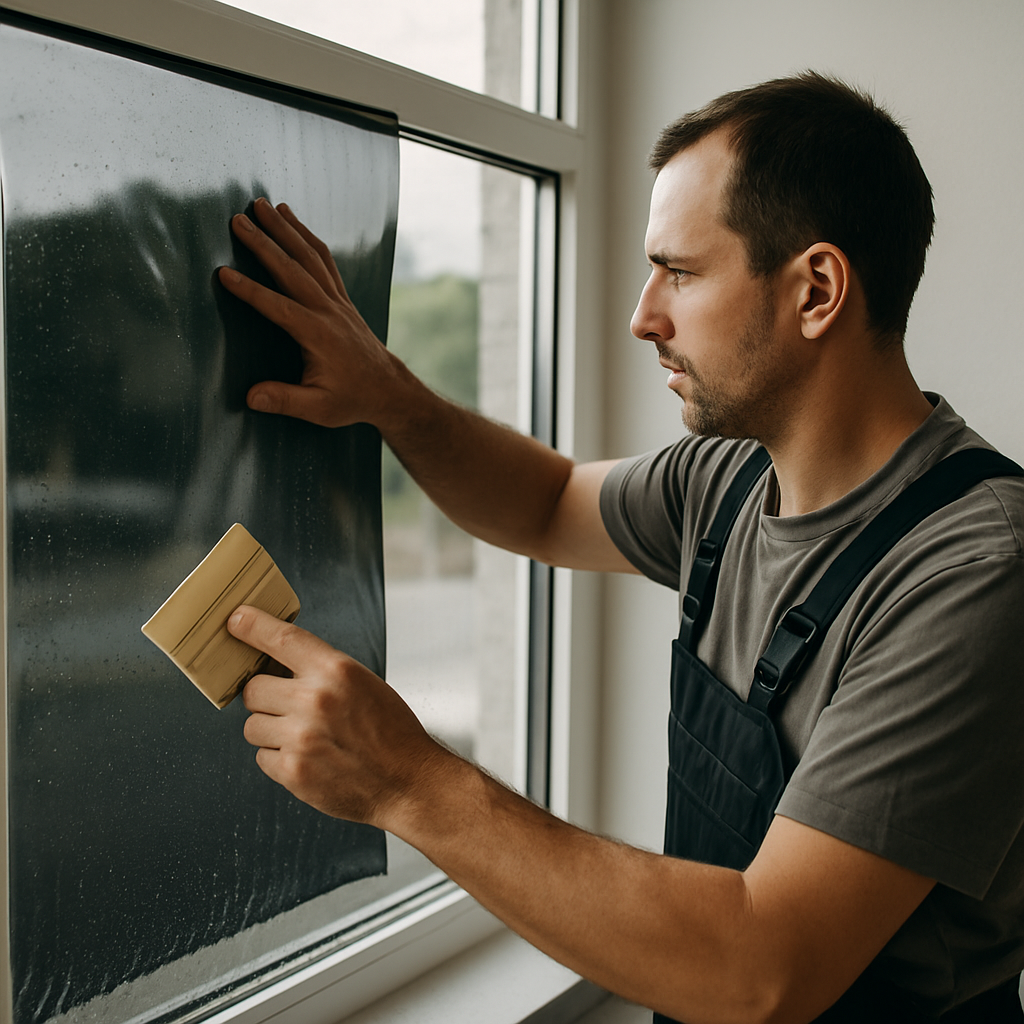
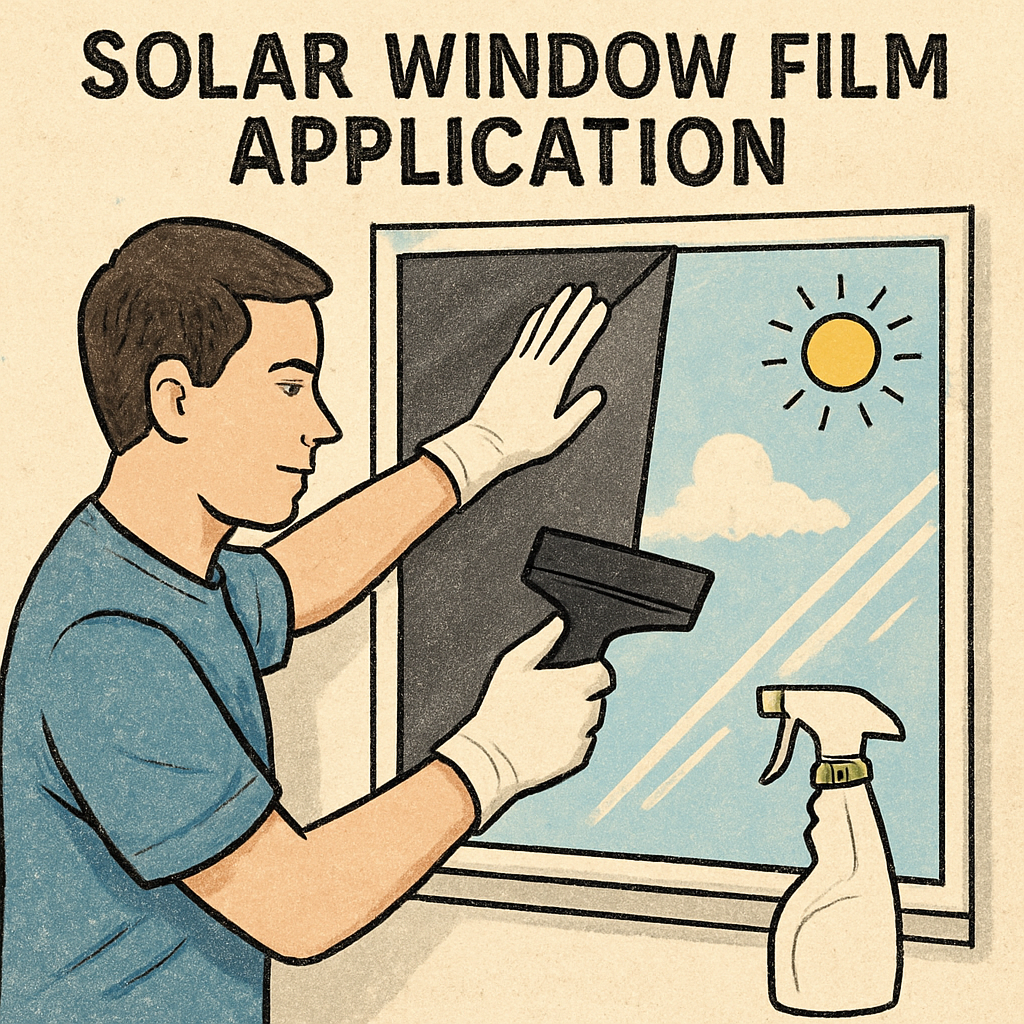
Applying the film involves carefully aligning it with the window pane and using a squeegee to remove any air bubbles. The film’s adhesive backing ensures a secure attachment to the glass.

Curing Time

After installation, the film needs time to cure fully. During this period, avoid cleaning the windows or disturbing the film to ensure a smooth finish.

Is Window Insulation Film Worth the Investment?

The decision to invest in window insulation film ultimately depends on your specific needs and goals. However, for many homeowners, the benefits far outweigh the costs.

Cost Considerations

While the initial cost of window film installation can vary, it is generally affordable, especially when compared to window replacement. The long-term savings on energy bills and the extended lifespan of your interior furnishings add significant value to this investment.

Environmental Impact

Choosing window insulation film also supports eco-friendly living by reducing energy consumption. By lowering your reliance on heating and cooling systems, you contribute to a decrease in greenhouse gas emissions, promoting a more sustainable future.

Versatility and Convenience

Window film is a versatile solution that can be applied to virtually any window, regardless of size or shape. Its ease of installation and maintenance further add to its appeal as a convenient home improvement option.

Conclusion

Window insulation film is a practical, cost-effective solution for enhancing energy efficiency and comfort in your home. With its ability to reduce energy bills, protect your interior from UV damage, and offer customizable aesthetic options, it’s a worthy investment for homeowners seeking to improve their living spaces.

If you’re ready to take the next step in energy savings and home improvement, consider installing window insulation film. Not only will you enjoy a more comfortable environment, but you’ll also benefit from long-term cost savings and an eco-friendly lifestyle.

Categories
Window Tinting and Film

What Real Customers Think About Thermal Window Film

# What Real Customers Think About Thermal Window Film

When it comes to enhancing your home’s energy efficiency and maintaining a comfortable environment, thermal window film stands out as a smart choice. This modern solution not only addresses window insulation issues but also offers aesthetic benefits, making it a popular choice among homeowners. In this article, we explore real customer experiences and insights on thermal window film, shedding light on its effectiveness and value.

Understanding Thermal Window Film

Thermal window film is a thin layer of film applied to windows to improve insulation. It helps in reducing heat loss during colder months and minimizes heat gain in the summer, leading to a more consistent indoor temperature and reduced energy costs. Additionally, it offers UV protection, which helps in preserving your interior furnishings from fading.

The Benefits of Window Insulation Film

  1. Energy Efficiency: By minimizing heat transfer, thermal window films significantly enhance a home’s energy efficiency. Customers have reported noticeable reductions in their energy bills post-installation.
  2. Comfort Enhancement: By stabilizing indoor temperatures, these films make living spaces more comfortable, eliminating cold drafts and hot spots.
  3. UV Protection: Protecting your interiors from harmful UV rays is another praised feature. Customers appreciate how the film prevents sun damage to furniture, flooring, and artwork.
  4. Aesthetic Appeal: Available in various shades and finishes, thermal window films can enhance the appearance of windows, adding a sleek look to any home design.

Real Customer Reviews: What Are They Saying?

Customers who have installed thermal window films often highlight their satisfaction with the product’s performance and aesthetic appeal. Here’s what some real users have to say:

Energy Savings and Comfort

Many customers are thrilled with the energy savings they experience. Jane, a homeowner from Michigan, noted, “After installing the thermal window film, I noticed a 15% drop in my heating bills. The house feels more comfortable, and I don’t have to crank up the heat as much in winter.”

Mike, from Arizona, shares a similar sentiment for the summer months, “Our home used to be unbearably hot in the afternoon. The thermal tint has made a world of difference. Our air conditioning doesn’t have to work as hard, and the rooms stay cooler.”

Energy efficient home windows

Aesthetic and Protective Benefits

For those concerned with aesthetics, thermal window films have proven to be a pleasant surprise. Lisa, an interior designer from California, says, “I was worried about how the film would look, but it actually enhances the design. It gives the windows a nice, modern finish.”

Moreover, several customers appreciate the UV protection aspect. “I didn’t realize how much damage the sun was doing to our hardwood floors until I noticed the fading. The window film has helped prevent further damage,” comments David, a homeowner in Florida.

Installation Insights: What to Expect

Installing thermal window film is a relatively straightforward process, but it’s crucial to ensure it’s done correctly for maximum benefits.

DIY vs. Professional Installation

While some handy homeowners opt for DIY installation, many prefer hiring professionals to ensure a flawless finish. Professional installation guarantees that the film is applied smoothly without bubbles or wrinkles, maximizing its efficiency and longevity.

For those considering a DIY approach, it’s essential to follow the manufacturer’s instructions closely. However, if you aim for precision and quality, investing in professional installation is recommended.

Maintenance Tips

Thermal window films require minimal maintenance. To keep them looking new, clean the windows with a soft cloth and a mild, non-abrasive cleaner. Avoid using harsh chemicals or abrasive materials that could scratch the film.

Addressing Common Concerns

While thermal window films are generally well-received, potential buyers might have some concerns. Here are common questions and their answers:

Will the Film Make My Home Too Dark?

This is a common concern, but thermal films are available in various tints and transparencies. Customers can choose a film that provides the right balance of light and privacy, ensuring the interior doesn’t become too dark.

Can It Be Removed?

Yes, thermal window films can be removed without damaging the glass. This flexibility allows homeowners to update or change films as their needs and styles evolve.

Is It Cost-Effective?

Given the energy savings and protection provided, many customers find thermal window films to be a cost-effective investment. The initial cost is offset by the reduction in energy bills and the extended life of interior furnishings due to UV protection.

Conclusion: A Wise Investment for Your Home

Thermal window films offer a myriad of benefits that address both functional and aesthetic concerns for homeowners. From improving energy efficiency to enhancing the look of your home, these films provide a comprehensive solution. Real customer experiences highlight the satisfaction and value derived from this investment, making it an appealing option for those looking to upgrade their living spaces.

If you are considering thermal window film for your home, weigh the benefits and consider professional installation to maximize results. With the right approach, thermal window film can transform your home into a more comfortable, energy-efficient, and stylish environment.

Home interior with modern window films

by Marius Dumitrascu (https://unsplash.com/@mariusvd)

Categories
Window Tinting and Film

What Are Window Films and How Do They Improve Indoor Living

Window films are a versatile and innovative home improvement solution designed to enhance the comfort, efficiency, and aesthetics of indoor spaces. As a seasoned expert in window film installations, I’m here to guide you through understanding how these films can transform your home environment.

Window films are thin layers of polyester or vinyl that are applied to the interior surface of glass windows. They serve multiple purposes, ranging from enhancing privacy to reducing glare and improving energy efficiency. These films come in a variety of styles, colors, and textures, allowing you to choose options that best suit your aesthetic and functional needs.

Benefits of Window Films

Energy Efficiency

One of the most significant advantages of window films is their ability to improve energy efficiency. By blocking out a portion of the sun’s heat, window films help maintain a consistent indoor temperature, reducing the need for air conditioning during hot weather. This can lead to noticeable savings on energy bills, making window films an eco-friendly choice.

UV Protection

Window films are designed to filter out harmful UV rays, which are known to cause fading of furniture, flooring, and artwork. By protecting your home’s interior from UV damage, window films help preserve the longevity and appearance of your belongings, ensuring your home remains vibrant and welcoming.

Enhancing Privacy and Security

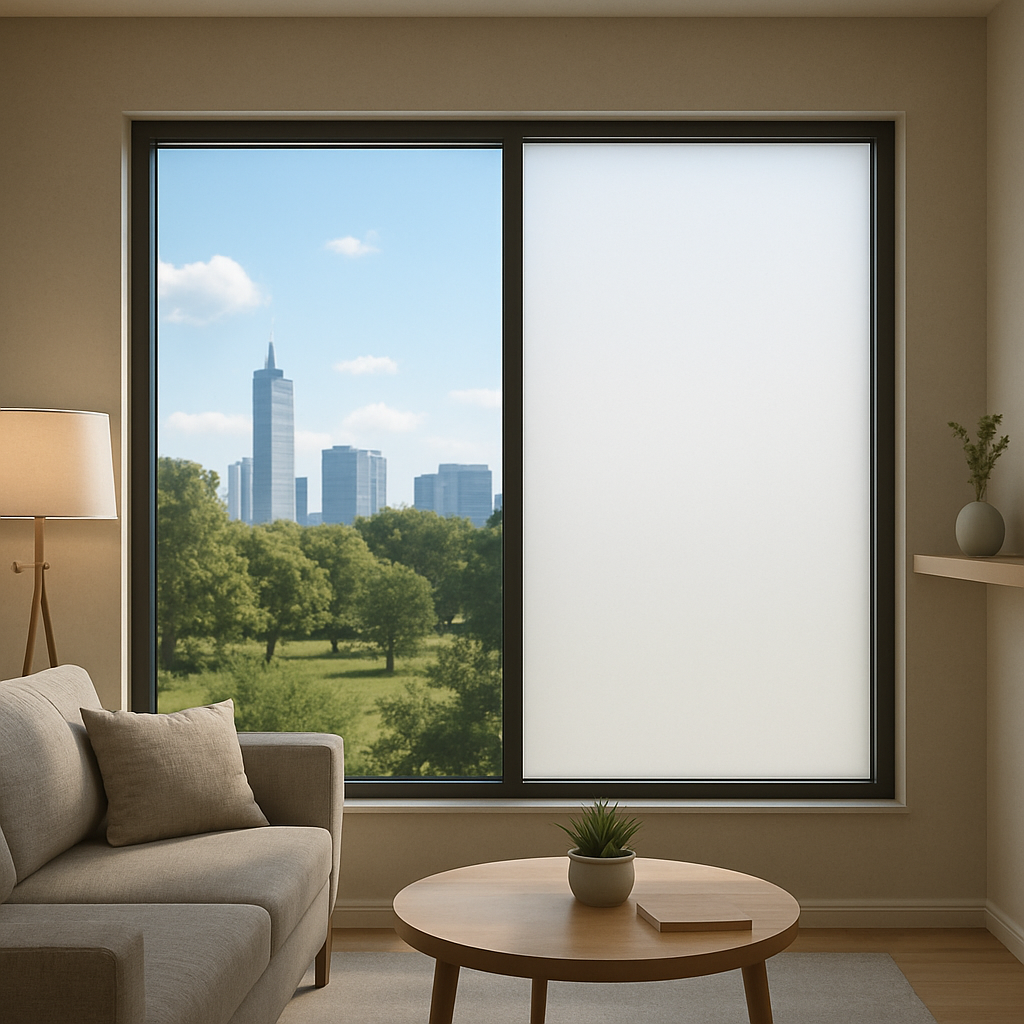
Window films also offer improved privacy by obscuring the view from outside while maintaining clear visibility from the inside. This makes them an ideal choice for rooms that require a higher level of privacy without compromising on natural light. Additionally, some window films are designed to reinforce glass, providing an extra layer of security against break-ins or accidents.

Privacy window films in a modern home

by Eastman Childs (https://unsplash.com/@eternalseconds)

Aesthetic Appeal

Beyond their functional benefits, window films also enhance the aesthetic appeal of your living space. With a wide array of patterns, frosts, and tints available, you can customize your windows to complement your interior design style. Whether you prefer a sleek, modern look or a more traditional appearance, there’s a window film to match your vision.

Choosing the Right Window Film

When selecting window films, it’s essential to consider both your functional needs and design preferences. Collaborating with a professional installer can help ensure you choose the right film for your specific requirements. An expert will assess your windows, discuss your goals, and recommend the most suitable options, ensuring a seamless and effective installation.

Conclusion

Window films are a cost-effective and stylish solution for enhancing indoor living. By improving energy efficiency, protecting against UV damage, enhancing privacy, and adding aesthetic value, window films offer a comprehensive upgrade to any home. If you’re looking to enhance the comfort and appeal of your living space, consider exploring the world of window films as a transformative home improvement option.

For more information or to schedule a consultation, feel free to reach out. Let us help you find the perfect window solution for your home.“`

Categories
Window Tinting and Film

Is Now the Right Time for House Window Tint

# Is Now the Right Time for House Window Tint

When considering home improvements, window tinting might not be the first thing that comes to mind. However, it offers a range of benefits that can enhance your living space, improve energy efficiency, and increase privacy. If you’re an interior designer looking for stylish, eco-friendly solutions or a homeowner aiming to upgrade your windows, now might be the perfect time to consider house window tint.

House window tinting involves applying a thin film to the interior of your windows. This film can serve several purposes, such as reducing glare, blocking UV rays, and adding an element of privacy. There are various types of window films available, each designed to cater to different needs.

Benefits of Window Tinting

  1. Energy Efficiency: One of the most significant advantages of window tinting is its ability to enhance energy efficiency. By reducing heat gain during the summer and heat loss in the winter, window films can help maintain a consistent indoor temperature. This can lead to lower energy bills and a reduced carbon footprint. Learn more about choosing the right energy-efficient window tint for your home. For additional guidance on improving home energy performance, see the U.S. Department of Energy’s recommendations on energy-efficient window coverings. You can also explore performance ratings and standards from the National Fenestration Rating Council (NFRC).
  2. UV Protection: Window tints can block up to 99% of harmful UV rays. This protection helps prevent fading of interior furnishings, flooring, and artwork, ensuring that your decor remains vibrant for longer. According to the Environmental Protection Agency (EPA), reducing UV exposure is an important step in protecting both people and interiors from long-term damage.
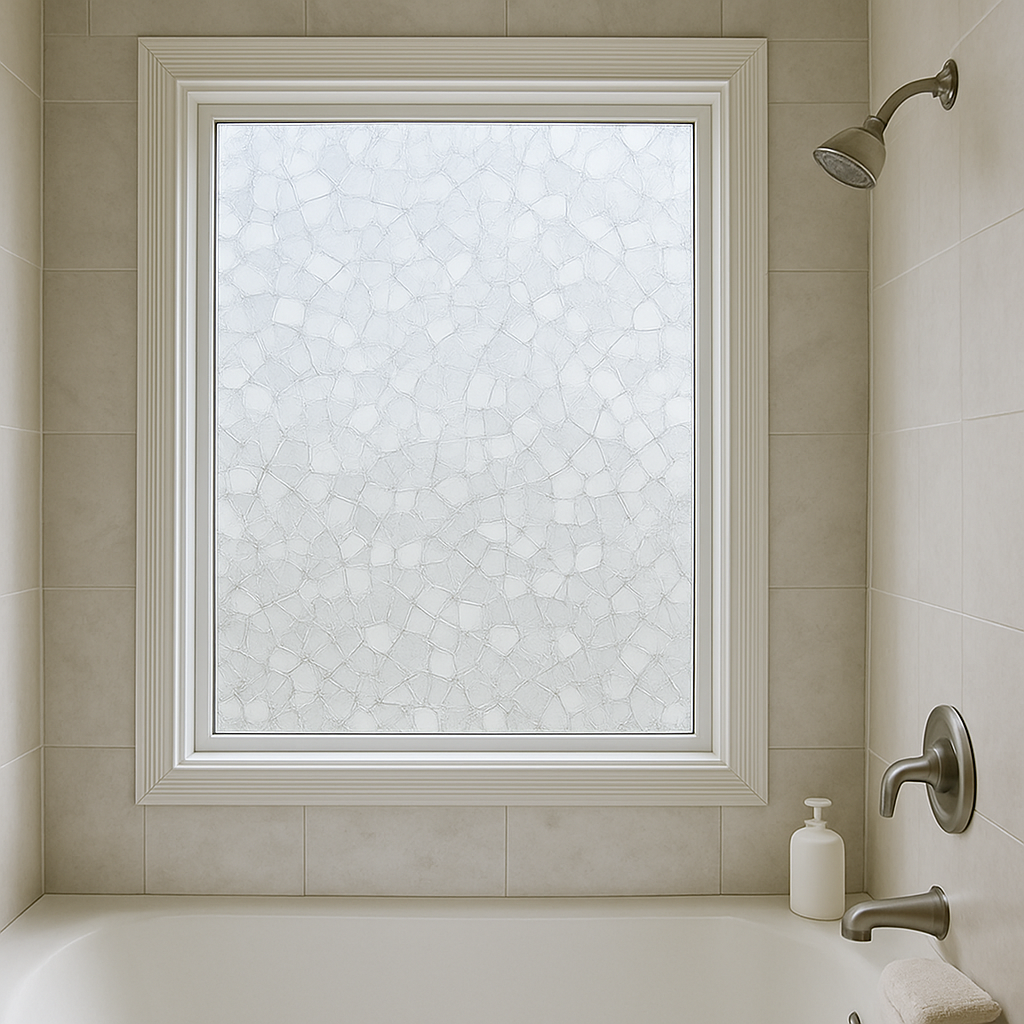
  3. Increased Privacy: Privacy films can obscure the view from outside without sacrificing natural light. This makes them an ideal choice for street-facing windows or rooms where you want to maintain privacy without resorting to heavy curtains or blinds.
  4. Glare Reduction: By reducing glare from sunlight, window tints create a more comfortable environment for activities like watching TV, working on a computer, or reading.
  5. Enhanced Security: Some security films are thicker and designed to hold glass fragments together in the event of a breakage, reducing the risk of injury and making it more difficult for intruders to enter.

Types of Window Tinting

Types of window films

Choosing the right window tint depends on your specific needs and preferences. Here are some common types of window films:

Solar Control Films

These films are designed to reduce solar heat gain, making your home more energy-efficient. They are ideal for windows that receive a lot of direct sunlight.

Decorative Films

If you’re looking to add a touch of style, decorative films offer a variety of patterns and designs. They can enhance the aesthetic appeal of your windows and complement your interior design.

Privacy Films

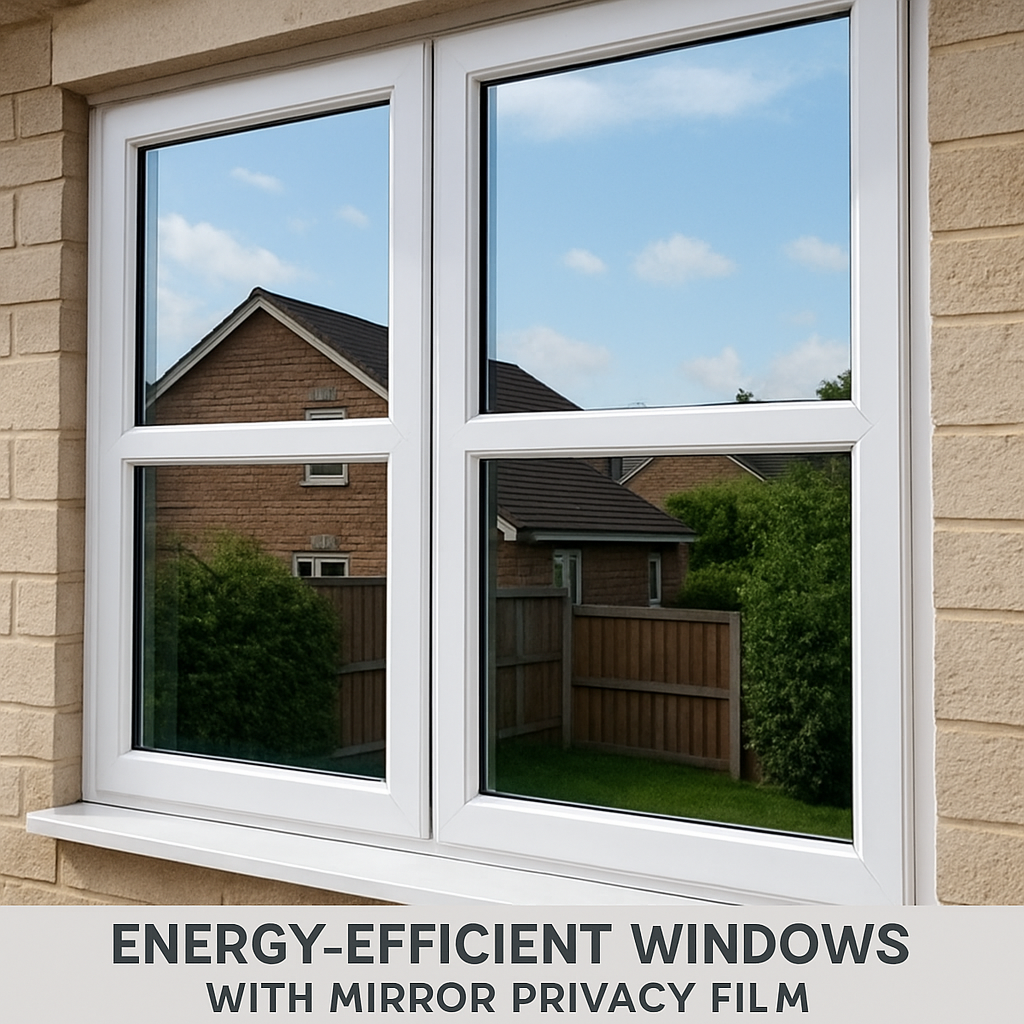
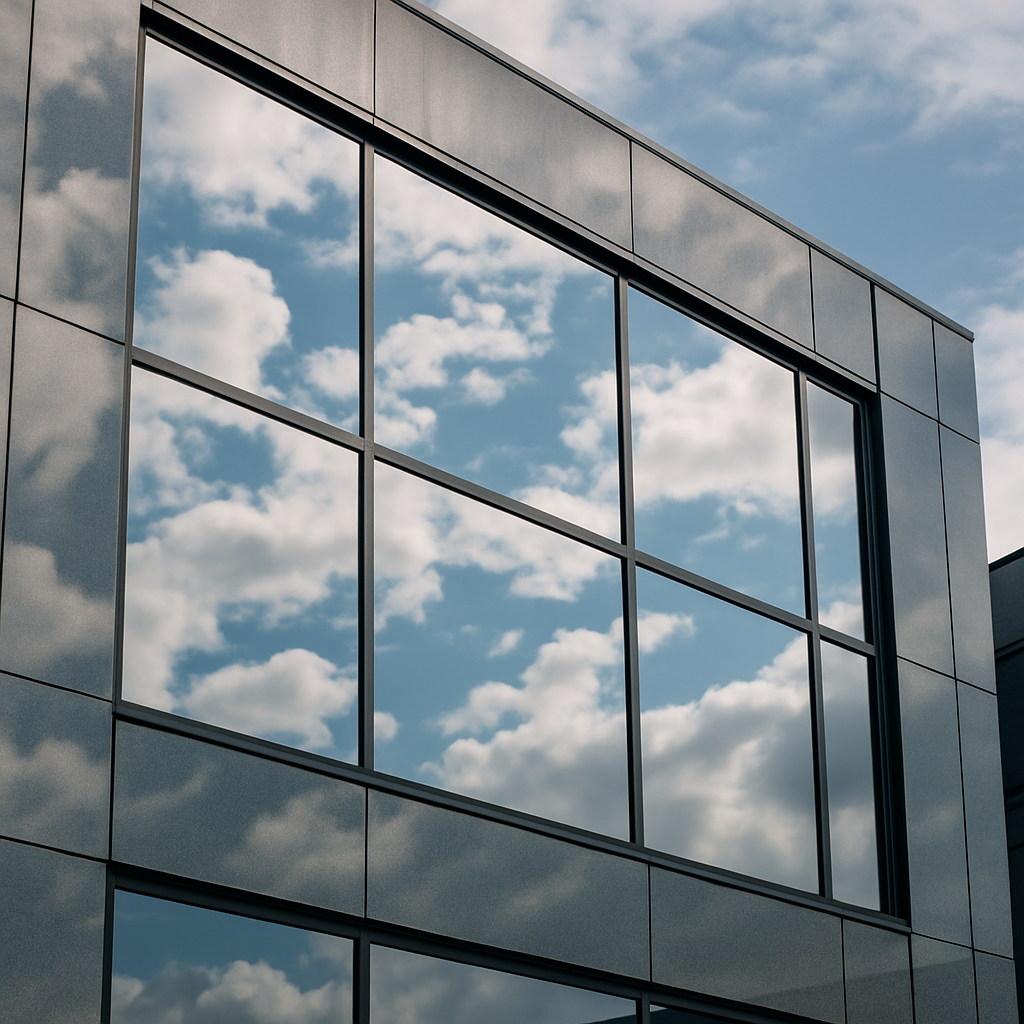
Privacy films are perfect for areas where you want to maintain a level of privacy. They come in different opacities and can be frosted, tinted, or mirrored.

Security Films

Security films are thicker and designed to reinforce glass, providing an extra layer of protection against break-ins and natural disasters.

Installation Process

Professional installing window film

by Blake Harbison (Unsplash Profile)

The installation of window tinting is a straightforward process but should be done by a professional to ensure the best results. Here’s what you can expect:

  1. Consultation: A professional will assess your windows and discuss your specific needs to recommend the best type of film for your home.
  2. Preparation: The windows will be thoroughly cleaned to ensure that the film adheres properly.
  3. Application: The film is carefully applied to the window surface, trimmed to fit, and smoothed out to remove any air bubbles.
  4. Curing: Once applied, the film needs time to cure and adhere completely to the glass. This process can take a few days, depending on the type of film and environmental conditions.

Is It Worth the Investment?

The decision to install house window tint should be based on your specific needs and circumstances. Here are a few factors to consider:

Cost vs. Savings

While the initial cost of window tinting can vary, the potential savings on energy bills and reduced wear on furnishings can make it a cost-effective investment over time.

Aesthetic Appeal

Window films can enhance the visual appeal of your home, adding a modern touch that complements any decor style.

Environmental Impact

By reducing your energy consumption, window tinting contributes to a more sustainable and eco-friendly home.

Conclusion

House window tinting offers a practical and stylish solution for enhancing your living space. Whether you’re looking to improve energy efficiency, increase privacy, or add a decorative element to your windows, the benefits of window tinting are clear. As an interior designer or homeowner, investing in window tinting can provide long-term savings and a more comfortable, aesthetically pleasing environment.

With a range of options available, now is the perfect time to explore how window tinting can transform your home. By partnering with a professional installer, you can ensure that your window tinting meets your specific needs and enhances the beauty and functionality of your space.

If you’re ready to make a change, contact a window tinting expert today to discuss the best options for your home. Your windows are more than just a view to the outside world—they’re an integral part of your home’s design and efficiency. Let’s make them work for you.

Categories
Window Tinting and Film

Top Industry Insights on Window Protection Film

Homeowners and interior designers are increasingly turning to window protection films as a versatile solution to improve the aesthetics, privacy, and energy efficiency of living spaces. As an expert in window film installations, I aim to provide you with the top industry insights into this innovative product. Whether you’re seeking to enhance privacy, reduce energy costs, or simply add a touch of style to your home, window protection films offer a range of benefits tailored to meet diverse needs.

Window protection films, often referred to as window tinting, are thin layers of material applied to glass surfaces. These films serve multiple purposes, from reducing glare and heat to enhancing privacy and adding decorative elements. They are available in various styles and finishes, allowing you to customize the look and functionality of your windows.

The Evolution of Window Films

The concept of window tinting has evolved significantly over the years. Initially used primarily for automotive applications, window films have found a prominent place in residential and commercial settings. Advances in technology have led to the development of films that offer improved durability, UV protection, and aesthetic appeal.

Types of Window Protection Films

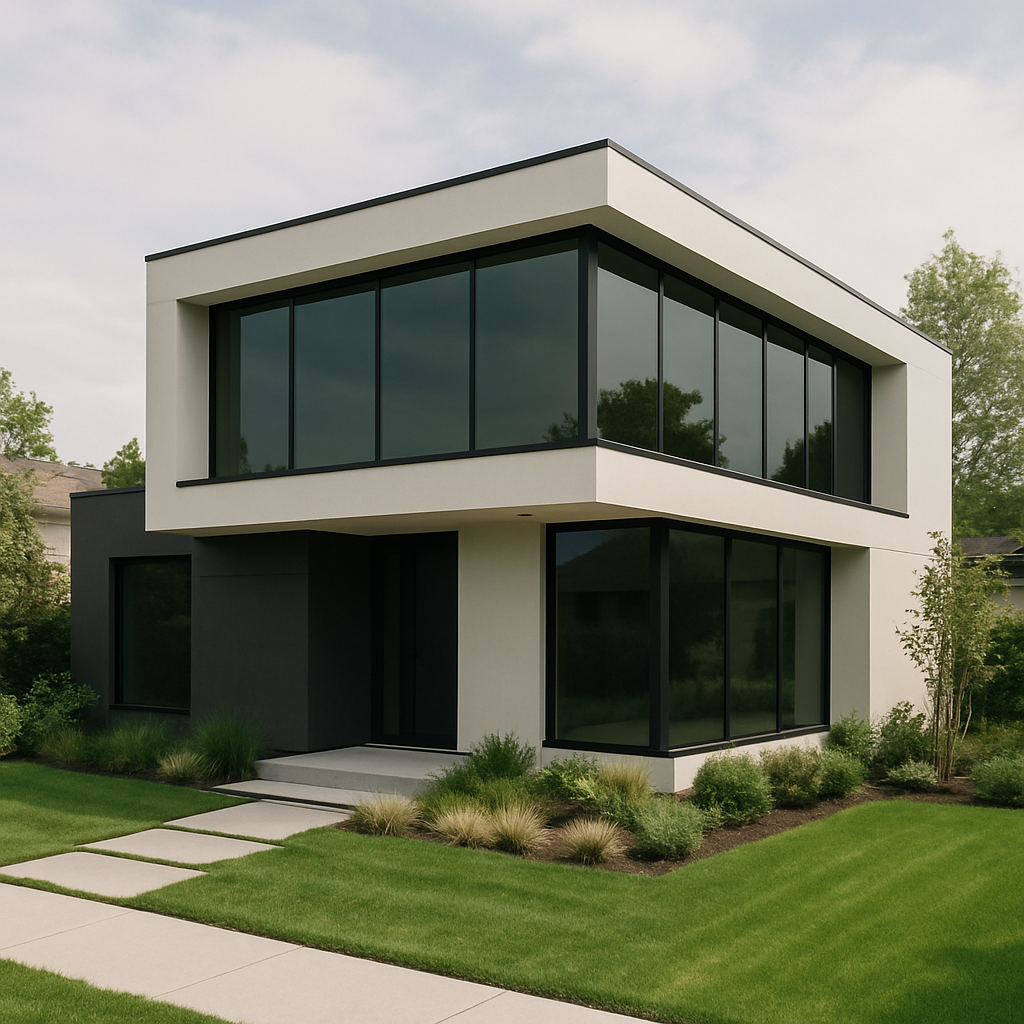
  1. Solar Control Films: These films are designed to block harmful UV rays and reduce heat gain, making them an ideal choice for energy-conscious homeowners. By minimizing solar heat, these films contribute to lower energy bills and enhanced comfort.
  2. Privacy Window Films: Perfect for spaces where privacy is a concern, such as bathrooms or street-facing windows. These films obscure the view from the outside while allowing natural light to filter through.
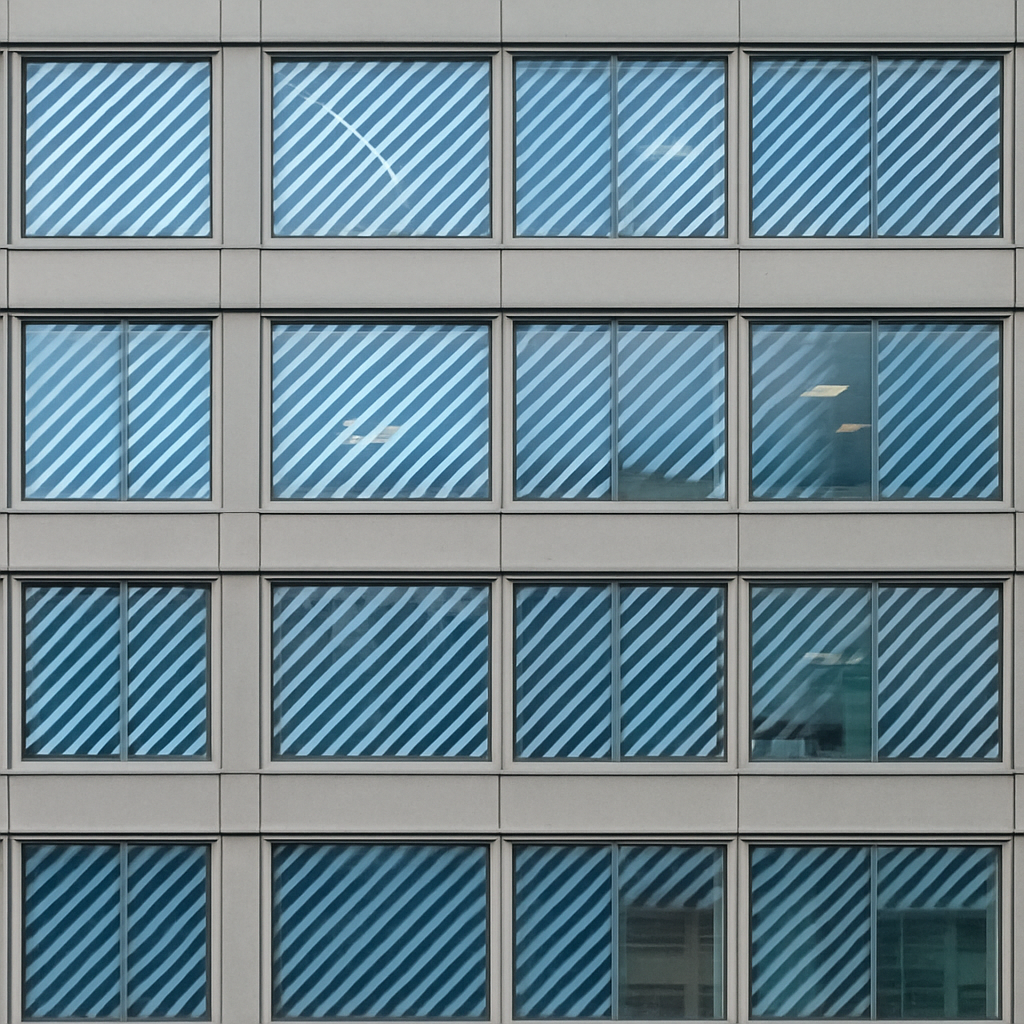
  3. Decorative Films: Available in a wide range of patterns and designs, decorative films add a touch of elegance to any room. They offer a cost-effective way to replicate the appearance of frosted or etched glass.
  4. Security Films: These films reinforce glass strength, providing an added layer of protection against break-ins and accidents. They are often used in areas prone to extreme weather conditions.

Benefits of Window Protection Films

living room with tinted windows

Energy Efficiency

One of the most significant advantages of window protection films is their ability to enhance energy efficiency. By reducing heat gain in the summer and heat loss in the winter, these films help maintain a comfortable indoor temperature year-round. This not only lowers energy consumption but also reduces the strain on HVAC systems, leading to cost savings.

Enhanced Privacy

Privacy window films are an excellent solution for maintaining confidentiality without sacrificing natural light. Whether you live in a bustling neighborhood or have windows facing public areas, these films offer peace of mind by preventing outsiders from peering in.

UV Protection

Prolonged exposure to UV rays can cause fading of furniture, flooring, and artwork. Window protection films provide a barrier against harmful UV radiation, preserving the longevity and vibrancy of your interior decor.

Aesthetic Appeal

Decorative window films offer endless possibilities for enhancing the visual appeal of your home. From intricate patterns to minimalist designs, these films allow you to express your personal style while complementing your existing interior design.

Improved Safety and Security

Security films add an extra layer of protection to your windows, making them more resistant to shattering. In the event of an attempted break-in or severe weather, these films hold shattered glass in place, reducing the risk of injury and property damage.

Installation Process

professional installing window film

by william f. santos (https://unsplash.com/@youwwwill)

The installation of window protection film is a precise process that requires expertise and attention to detail. Here’s a brief overview of what to expect:

Surface Preparation

Before installation, the glass surface must be thoroughly cleaned to ensure proper adhesion. Any dust, grease, or debris can affect the performance and longevity of the film.

Film Application

The film is carefully cut to size and applied to the glass using a special adhesive. Professional installers use tools like squeegees to remove air bubbles and ensure a smooth, even finish.

Curing Time

After installation, the film requires a curing period to fully adhere to the glass. During this time, it’s important to avoid cleaning the windows or disturbing the film.

Choosing the Right Film for Your Needs

When selecting window protection films, consider the specific needs of your space. Factors such as climate, privacy concerns, and aesthetic preferences should guide your decision-making process. Consulting with a professional installer can provide valuable insights and recommendations tailored to your unique requirements.

Cost Considerations

While the initial investment in window protection film may vary based on the type and brand, the long-term savings on energy bills and the added value to your home make it a worthwhile investment. Additionally, many window films come with warranties, offering peace of mind regarding durability and performance.

Conclusion

Window protection films are a versatile and effective solution for enhancing the comfort, privacy, and aesthetics of your home. Whether you’re an interior designer looking to provide clients with eco-friendly options or a homeowner seeking innovative solutions, window films offer numerous benefits that cater to a wide range of needs.

By understanding the different types of films available and their respective advantages, you can make informed decisions that align with your goals. Partnering with a professional installer ensures a flawless application, maximizing the performance and longevity of your window protection film.

Embrace the possibilities that window tinting and protection films offer, and transform your living space into a stylish, energy-efficient, and secure haven. For more information and personalized guidance, reach out to a trusted window film specialist today.

Categories
Window Tinting and Film

The ROI of Home Window Tinting

When considering home improvement options, window tinting might not be the first thing that comes to mind. However, the benefits of residential window film are numerous, offering both financial and aesthetic returns on investment (ROI). This article explores the ROI of home window tinting, focusing on its impact on energy efficiency, comfort, and home value. By understanding these benefits, homeowners can make informed decisions that enhance the value and enjoyment of their living spaces.

Home window tinting involves applying a thin, laminate film to the interior or exterior of glass surfaces in your home. This film can serve multiple purposes, including reducing heat, blocking harmful UV rays, enhancing privacy, and improving the overall aesthetic appeal of your home. As awareness of these benefits grows, more homeowners are considering window tinting as a viable home improvement option. Additionally, the technology and materials used in window films have advanced significantly, providing more effective and durable solutions for a range of needs.

Types of Residential Window Films

There are several types of residential window films, each designed to meet specific needs:

  1. Solar Control Films: These films reduce heat and glare from the sun, helping to lower energy costs and improve comfort. By minimizing solar heat gain, these films can significantly reduce reliance on air conditioning systems, which is especially beneficial in warmer climates. Moreover, solar control films can enhance the overall comfort of a home by reducing hot spots and maintaining a more consistent indoor temperature.
  2. Security Films: Designed to hold glass fragments together in the event of breakage, adding an extra layer of security. This is particularly advantageous for homes in areas prone to severe weather conditions or for those looking to enhance the security of their property. Security films can also deter potential intruders, as the added strength makes it more difficult to break through windows quickly.
  3. Decorative Films: These films add aesthetic appeal by simulating the look of etched or frosted glass. They offer a cost-effective way to personalize and enhance the interior design of a home without the need for expensive glass replacements. Decorative films can be used creatively to transform plain glass surfaces into beautiful design elements, adding character and style to any room.
  4. Privacy Films: Useful for areas where you want to prevent outsiders from seeing inside without sacrificing natural light. These films are ideal for bathrooms, bedrooms, and any other areas where privacy is a concern. By allowing natural light to enter while obscuring the view from outside, privacy films balance openness with seclusion, enhancing the comfort and security of your home.

Energy Efficiency and Cost Savings

One of the most significant advantages of home window tinting is its contribution to energy efficiency. By blocking a substantial percentage of solar heat, window films reduce the need for air conditioning, which can lead to significant energy savings. These savings not only benefit the homeowner financially but also contribute to a reduction in overall energy consumption, aligning with broader environmental goals. For additional guidance on improving window performance, see Natural Resources Canada’s recommendations on upgrading windows and doors.

Lower Energy Bills

Energy-efficient home with window tinting

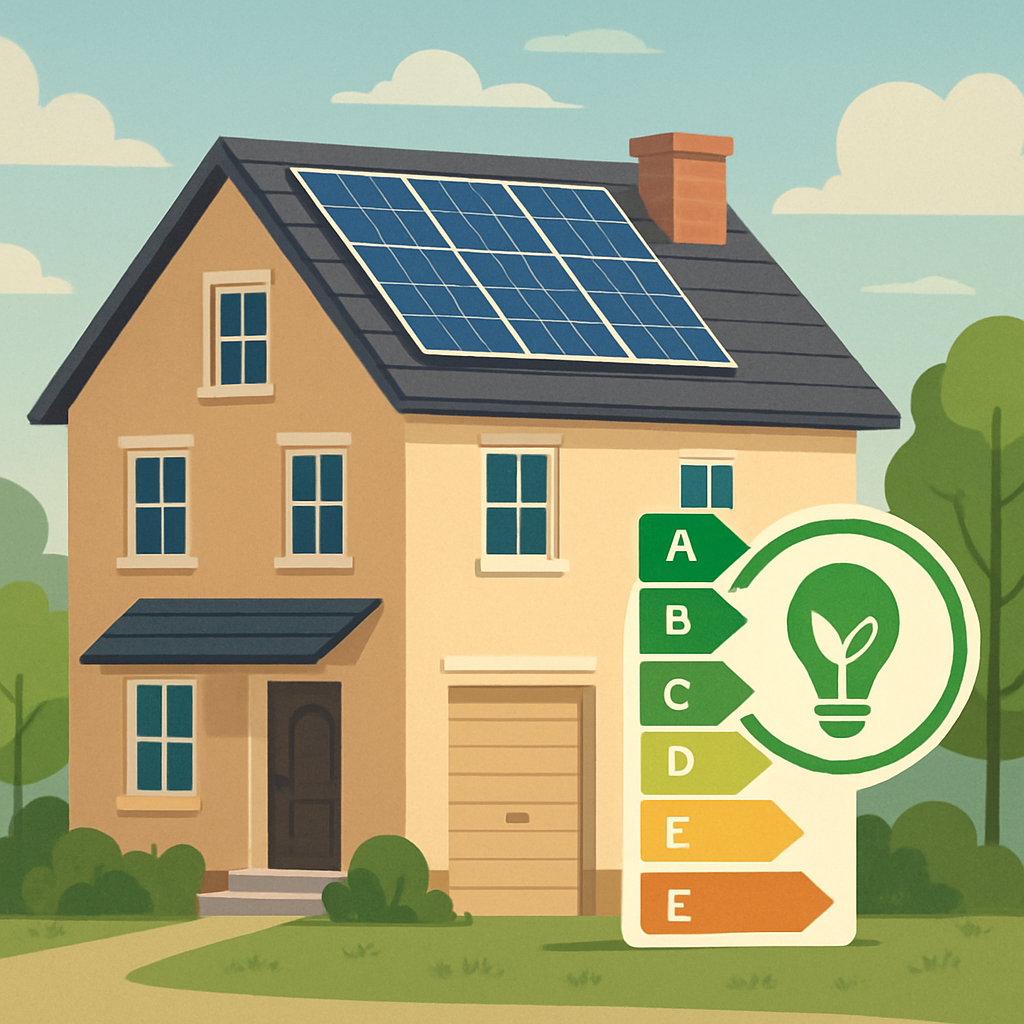
According to the U.S. Department of Energy, windows are responsible for 25% to 30% of residential heating and cooling energy use. By installing window film, homeowners can reduce this energy loss and save on heating and cooling costs. Depending on the size of your home and local energy prices, these savings can be substantial over time. Furthermore, window tinting can provide savings throughout the year, making it a wise investment for both summer and winter months as it helps retain heat during colder periods.

Enhanced Comfort and Protection

In addition to energy savings, window tinting enhances the comfort of your living spaces. By reducing glare and blocking UV rays, window films help maintain a consistent temperature throughout your home. This not only makes your home more comfortable but also protects your furniture, flooring, and artwork from fading. The reduction in UV exposure can extend the life of your interior furnishings, preserving their color and quality, which is particularly important for high-value items and cherished heirlooms.

Increasing Home Value and Aesthetics

Window tinting can also increase the value of your home by enhancing its aesthetic appeal and functionality. Decorative films can transform ordinary glass into a stylish design feature, while privacy films offer an elegant solution for maintaining privacy without heavy curtains or blinds. These enhancements can make your home more attractive to potential buyers, who appreciate the added value and modern touches that window films provide.

Curb Appeal

Curb appeal is crucial for homeowners looking to sell or rent their property. A home with modern, well-maintained windows can attract more potential buyers or tenants. Window films can give your home a sleek, polished look that stands out in the real estate market. Enhanced curb appeal not only makes your home more inviting but also creates a strong first impression, which can be a decisive factor in a competitive housing market.

Long-Lasting Investment

Window tinting is a durable solution that requires minimal maintenance. High-quality window films can last for many years, providing long-term benefits and increasing the overall ROI. Additionally, many window films come with warranties, ensuring your investment is protected. The durability of window films means that once installed, they will continue to provide benefits with minimal upkeep, allowing homeowners to enjoy the advantages without the hassle of frequent replacements or repairs.

Environmental Impact

Home window tinting is not just a cost-effective solution; it’s also an environmentally friendly choice. By reducing energy consumption, window films help lower your carbon footprint, contributing to a more sustainable future. As more homeowners prioritize eco-friendly upgrades, window tinting stands out as a practical measure that supports environmental sustainability while offering immediate benefits.

Reducing Greenhouse Gas Emissions

By using less energy for heating and cooling, homes with window film installations contribute to the reduction of greenhouse gas emissions. This aligns with the growing trend of eco-friendly home improvements, making your home more attractive to environmentally-conscious buyers. In addition, by supporting a reduction in energy demand, window tinting can help alleviate pressure on local energy grids, further promoting a sustainable community. For more context on how energy efficiency reduces emissions, see how ENERGY STAR helps reduce emissions.

Installation and Considerations

Professional installing window film

by Mak (https://unsplash.com/@mak_jp)

Professional vs. DIY Installation

While DIY window tinting kits are available, professional installation is recommended to ensure optimal results. Professional installers have the expertise and tools to apply the film without bubbles or creases, ensuring a smooth finish and maximum performance. Professional installation also often comes with a warranty, providing peace of mind and protection for your investment, and ensuring that the film performs as expected over its lifespan.

Choosing the Right Film

Selecting the right film is crucial to achieving the desired benefits. Consider factors such as climate, window orientation, and personal preferences when choosing your window film. Consulting with a professional installer can help you make an informed decision. A professional can provide insights into the latest film technologies and trends, ensuring you choose a product that meets your specific needs and enhances your home’s overall functionality and style. If you’d like to better understand common window performance ratings that influence comfort and heat gain, the National Fenestration Rating Council (NFRC) is a helpful, non-commercial resource.

Maintenance

Maintaining your window film is simple and requires little effort. Regular cleaning with a mild detergent and a soft cloth can keep your windows looking their best. Avoid using abrasive cleaners or tools that could damage the film. Proper maintenance not only preserves the appearance of your window films but also ensures their longevity, allowing you to continue reaping the benefits for years to come.

Conclusion

Home window tinting offers a compelling return on investment through energy savings, increased home value, and enhanced comfort and aesthetics. Whether you’re looking to reduce energy costs, improve privacy, or boost your home’s curb appeal, window tinting is a versatile and effective solution. By investing in high-quality window films, homeowners can enjoy both immediate and long-term advantages, making it a smart choice for any home improvement project.

For homeowners and interior designers alike, investing in residential window film can provide both immediate and long-term benefits. By choosing professional installation and quality materials, you can maximize the ROI of your window tinting project and enjoy a more comfortable, efficient, and attractive home. As more people become aware of the multifaceted benefits of window tinting, its popularity is likely to grow, making it a valuable addition to any modern home.

::contentReference[oaicite:0]{index=0}