# Why Designers Recommend Solar Film For Home Windows
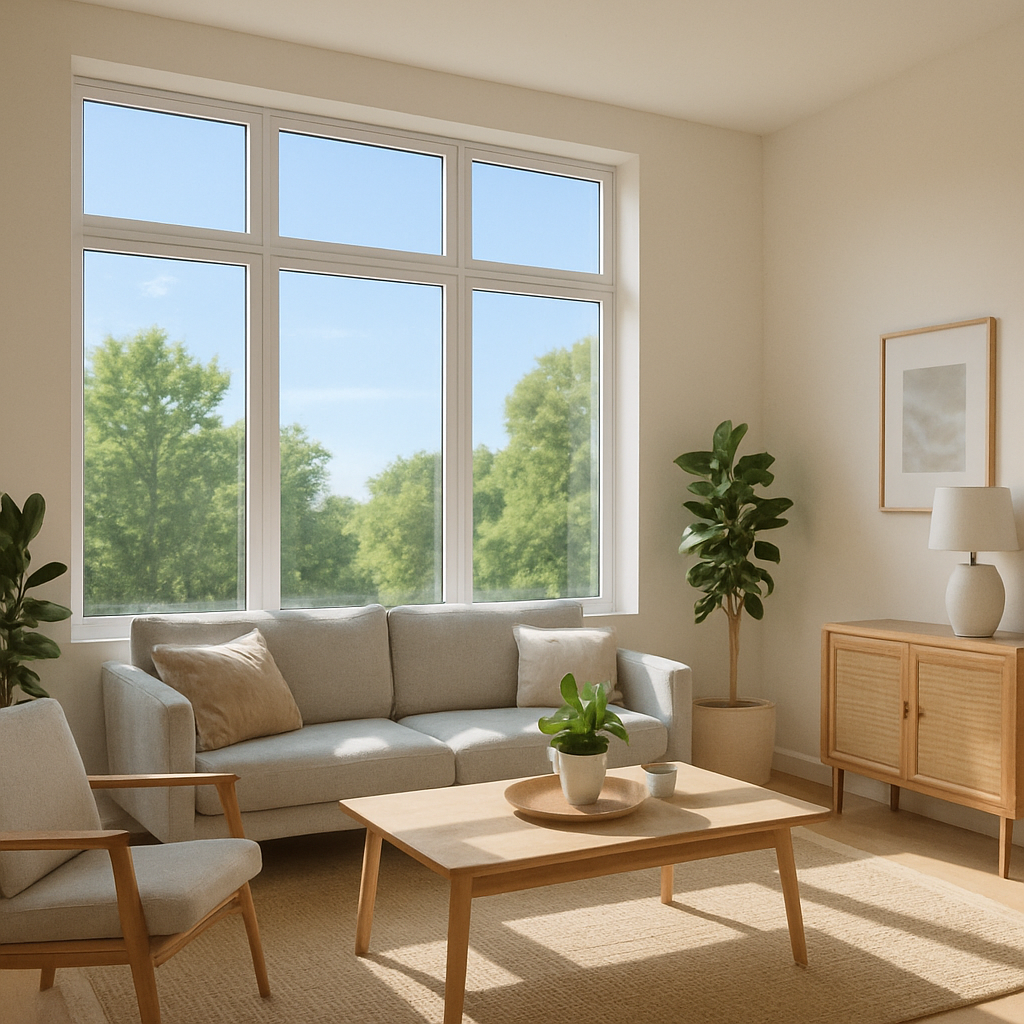
Are you searching for a way to enhance your home’s energy efficiency while maintaining its aesthetic appeal? Solar film for home windows might be the ideal solution for you. This article will explore why designers recommend solar film and how it can transform your living space.
Solar film is a thin, transparent layer applied to the interior side of windows. It is designed to reduce heat, glare, and UV rays that enter your home through windows. There are several types of window films available, including solar film, privacy window film, and window insulation film, each serving different purposes.
Different Types of Window Films
Solar Film: Primarily used for reducing heat and glare while allowing natural light to enter.
Privacy Window Film: Offers increased privacy by obscuring the view into your home from the outside.
Window Insulation Film: Enhances insulation to maintain indoor temperatures.
Benefits of Solar Film for Home Windows
Energy Efficiency
One of the main reasons designers recommend solar film is its ability to enhance energy efficiency. By blocking a significant portion of solar heat, solar film reduces the demand on your air conditioning system. This can lead to lower energy bills and a smaller carbon footprint.
Protection from UV Rays
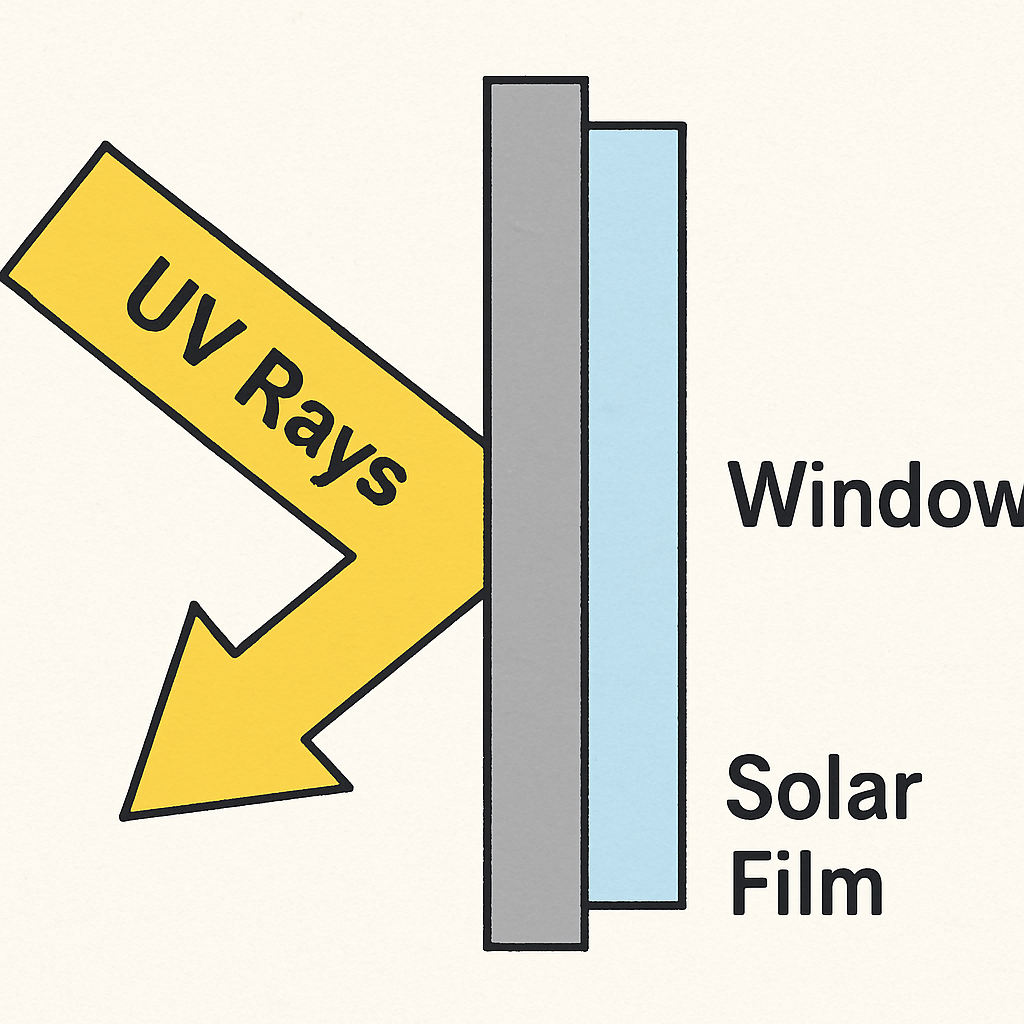
Solar film blocks up to 99% of harmful UV rays. This protection can prevent your furniture, flooring, and artwork from fading over time. By preserving the integrity of your interiors, solar film helps maintain the aesthetic appeal of your home.
Comfort and Glare Reduction
Excessive glare can be a nuisance, especially when watching TV or working on a computer. Solar film reduces glare, allowing you to enjoy your activities without straining your eyes. Additionally, by moderating indoor temperatures, it contributes to a more comfortable living environment.
Enhanced Privacy
Certain types of solar films also offer enhanced privacy. While maintaining visibility from the inside, they obscure the view from the outside. This feature is particularly valuable for homes in densely populated areas or with large, street-facing windows.
Aesthetic Appeal
Solar film is available in various shades and finishes, allowing you to choose a style that complements your home’s décor. Whether you prefer a reflective finish or a more subtle appearance, there’s a solar film that will meet your design preferences.
Installation Process
by Michael Kahn (https://unsplash.com/@mklibrary)
Professional Installation
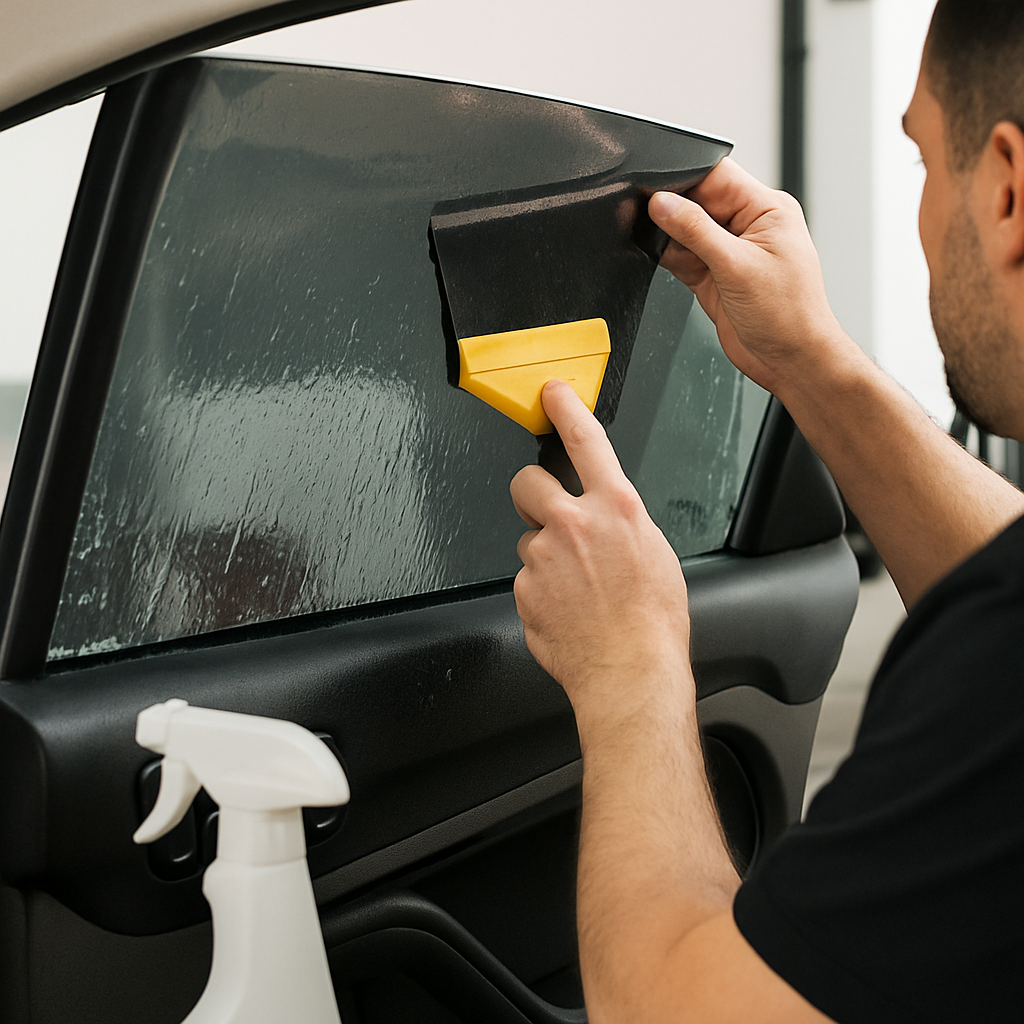
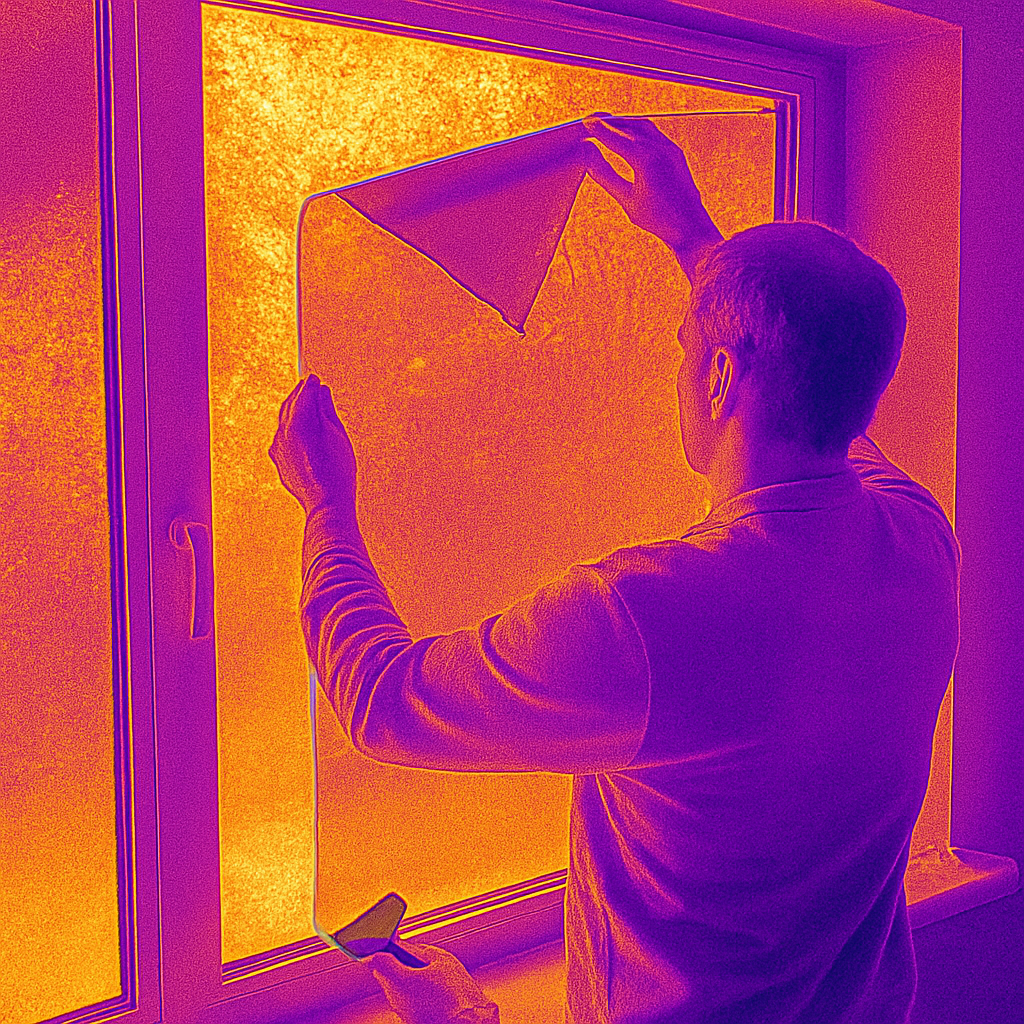
For optimal results, it’s best to have solar film professionally installed. An experienced installer ensures that the film is applied without bubbles or creases, providing a smooth and flawless finish.
DIY Installation
If you’re a DIY enthusiast, you can attempt to install solar film yourself. However, it’s important to follow the manufacturer’s instructions carefully and have the right tools on hand. Keep in mind that professional installation may offer better durability and aesthetics.
Cost-Effectiveness
Solar film is a cost-effective solution for homeowners looking to improve energy efficiency and aesthetics. While the initial investment may vary based on the size and number of windows, the long-term savings on energy bills and the protection of interior furnishings make it a worthwhile investment.
Real-World Examples
Case Study: Contemporary Urban Home
An interior designer was tasked with enhancing the energy efficiency of a contemporary urban home without compromising its sleek design. By choosing a tinted solar film, they were able to reduce glare and heat while maintaining the home’s modern aesthetic. The homeowners reported a noticeable drop in energy bills and a more comfortable living environment.
Case Study: Suburban Family Residence
In a suburban family home, privacy and UV protection were top priorities. The designer selected a dual-reflective solar film that offered privacy during the day and UV protection. The result was a safe, comfortable environment with preserved interior furnishings and reduced energy costs.
How to Choose the Right Solar Film
When selecting solar film, consider the following factors:
Objective: Determine if your primary goal is energy efficiency, privacy, or UV protection.
Aesthetics: Choose a film that complements your home’s design.
Budget: Evaluate the cost of the film and installation versus potential energy savings.
Conclusion
Solar film for home windows is an innovative solution that offers multiple benefits, from energy efficiency to aesthetic enhancement. By choosing the right film and ensuring proper installation, you can transform your home into a more comfortable, stylish, and eco-friendly space. Whether you’re an interior designer or a homeowner, solar film is a versatile option worth considering for your next home improvement project.
Incorporating solar film into your home design is not just about following a trend; it’s about investing in a sustainable, practical, and visually appealing solution. By doing so, you can achieve the perfect balance between form and function.
Consider solar film for your windows today and enjoy the myriad benefits it brings to your living environment.
# Keep the Cold Out: How Window Tinting Works in Winter
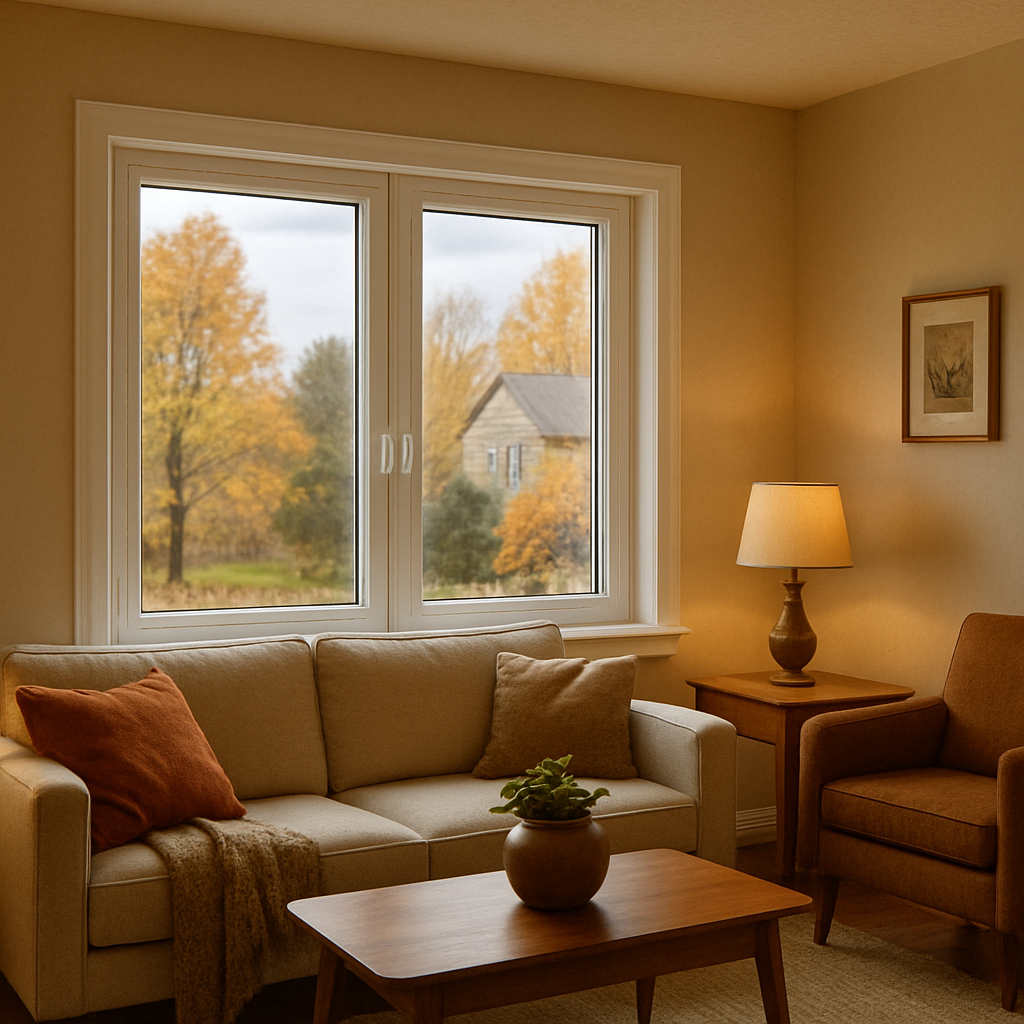
As temperatures drop and winter approaches, keeping your home warm and energy-efficient becomes a priority. While many homeowners turn to traditional methods like insulation and weatherstripping, window tinting is often overlooked. In this article, we’ll explore how window tinting works in winter, its benefits, and why it might be the perfect solution for your home.
Window tinting involves applying a thin film to the interior of your windows. This film can be made of various materials, including polyester, metal, or ceramic, and it’s designed to improve energy efficiency and add privacy. In winter, window tinting serves as a barrier that helps to retain heat, keeping the cold out and the warmth in.
How Window Tinting Works in the Winter
Window tinting in winter works by reducing heat loss through windows, which are typically the weakest point of insulation in a home. According to the U.S. Department of Energy, windows can account for significant heat loss in colder months. Quality window films are engineered to reflect heat back into the room. This process helps maintain a stable indoor temperature and reduces the amount of energy needed to heat your home.
Types of Window Film
There are different types of window films available, each with its own set of benefits:
Solar Control Film: This film is excellent for reducing glare and blocking harmful UV rays. It also helps in retaining heat during the colder months.
Insulating Film: Specifically designed for winter, insulating film enhances the thermal performance of windows, minimizing heat loss.
Decorative Film: While primarily used for aesthetic purposes, decorative films can also provide some degree of insulation.
Security Film: Adds an extra layer of protection against break-ins and strengthens the glass, which can be beneficial during winter storms.
Benefits of Window Tinting in Winter
Improved Energy Efficiency
By reducing heat loss, window tinting significantly improves your home’s energy efficiency. This means your heating system doesn’t have to work as hard, leading to lower energy bills. Improving window performance is also aligned with recommendations from the U.S. Environmental Protection Agency (EPA) on reducing household energy consumption.
Enhanced Comfort
With window tinting, you can enjoy a more comfortable living environment. The film helps to maintain a consistent temperature, reducing cold spots and drafts that often occur around windows.
UV Protection
Winter sun can be just as harmful as summer sun. Window films block up to 99% of UV rays, protecting your furniture, flooring, and other interior elements from fading.
Increased Privacy
Window tinting can also enhance privacy by limiting the view from the outside without obstructing your view from the inside. This feature is particularly valuable during the shorter days of winter when interior lights are on more frequently.
Installation Considerations
When considering window tinting for winter, it’s essential to choose the right type of film and ensure proper installation. Here are some tips to guide you:
Selecting the Right Film
Consider your specific needs when choosing a window film. If energy efficiency is your primary concern, opt for insulating or solar control films. For added security, consider films that offer both thermal and protective benefits.
Professional Installation
While some DIY kits are available, professional installation is recommended for the best results. Experienced installers can ensure the film is applied correctly without bubbles or creases, maximizing its effectiveness.
Let’s look at how window tinting can benefit different types of homes:
Urban Apartments
In city settings, window tinting can help reduce noise pollution while maintaining privacy. It also minimizes heat loss, which is particularly beneficial in older buildings with single-pane windows.
Suburban Homes
For suburban homes, window tinting can enhance curb appeal while providing energy savings. Tinted windows can also add a layer of protection against winter storms.
Historic Properties
Preserving the aesthetic of historic properties is crucial. Decorative films offer a stylish solution that enhances energy efficiency without compromising the building’s character.
Environmental Impact
Window tinting is an eco-friendly option that contributes to energy conservation. By reducing the demand for heating, window films help decrease your carbon footprint, aligning with sustainable living practices.
Conclusion
Incorporating window tinting into your winter home maintenance plan can offer numerous benefits, from improved energy efficiency to enhanced comfort and privacy. Whether you’re an interior designer seeking cost-effective solutions or a homeowner looking to upgrade your living space, window tinting is a smart investment that pays off in the long run. Consider exploring the various options available and consult with a professional to determine the best fit for your home.
Remember, keeping the cold out doesn’t have to mean sacrificing style or comfort. With the right window tint, you can enjoy a cozy, energy-efficient home all winter long.
Solar film, often known as window film, is an innovative solution that has gained popularity among homeowners looking to enhance their living spaces. Despite its numerous benefits, several myths about solar film persist, which can deter people from considering it as a viable home improvement option. In this article, we will debunk these myths and highlight the true advantages and applications of solar film for home windows.
Solar film is a thin laminate film that can be installed on the interior or exterior of glass surfaces in residential and commercial buildings. It is designed to reject heat, reduce glare, and block harmful UV rays, thereby improving comfort and energy efficiency.
Myth 1: Solar Film is Just for Commercial Buildings
One of the most common misconceptions is that solar film is only suitable for commercial buildings. In reality, solar film is a versatile solution that can be used in homes to enhance comfort and aesthetics. It is an effective way to reduce energy costs while maintaining the architectural integrity of a residential property.
Myth 2: Solar Film Makes Rooms Too Dark
Many homeowners worry that installing solar film will make their rooms feel dark and gloomy. However, modern solar films are designed to maintain natural light while significantly reducing glare and heat. With various tint levels available, you can choose a film that meets your lighting preferences and enhances the ambiance of your space.
Benefits of Solar Film
Solar film offers several advantages that make it an attractive option for homeowners. Here are some key benefits:
Energy Efficiency
Solar film can help reduce energy consumption by blocking up to 99% of harmful UV rays and reflecting a significant amount of solar heat. This means your home will stay cooler in the summer and warmer in the winter, reducing the need for air conditioning and heating.
Protection Against UV Rays
Prolonged exposure to UV rays can cause furniture, flooring, and artwork to fade over time. Solar film acts as a protective barrier, preserving the color and quality of your interior furnishings.
Glare Reduction
Solar film reduces glare from the sun, making it easier to watch television, work on a computer, or read a book without straining your eyes. This is particularly beneficial in rooms with large windows or direct sunlight.
Enhanced Privacy
Certain types of solar films can increase privacy without compromising on natural light. Frosted or reflective films can obscure the view from outside, providing a sense of security and seclusion.
Aesthetic Appeal
Solar film comes in a variety of styles and finishes, allowing you to customize the look of your windows. Whether you prefer a neutral, reflective, or decorative finish, there is a solar film option to suit your aesthetic preferences.
Installation Process
by william f. santos (https://unsplash.com/@youwwwill)
Myth 3: Solar Film is Difficult to Install and Maintain
Some people believe that solar film installation is a complicated process that requires frequent maintenance. In truth, professional installation is quick and hassle-free, and once installed, solar film requires minimal upkeep. Regular cleaning with mild soap and water is all that’s needed to keep the film looking its best.
Professional Installation vs. DIY
While DIY solar film kits are available, professional installation ensures the best results. Certified installers have the expertise to apply the film without bubbles or creases, ensuring a smooth and long-lasting finish. Professional installation also typically includes a warranty, providing peace of mind for homeowners.
Common Concerns Addressed
Myth 4: Solar Film is Expensive
Another myth is that solar film is prohibitively expensive. However, when you consider the energy savings and protection it provides, solar film is a cost-effective investment. It can lower your energy bills and extend the life of your interior furnishings, ultimately saving you money in the long run.
Myth 5: Solar Film Damages Windows
There is a misconception that solar film can damage windows or void their warranty. High-quality solar films are designed to be safe for all types of glass and will not cause damage when installed correctly. In fact, many window manufacturers recommend solar film as a way to enhance the performance of their products.
Conclusion
Solar film is a valuable home improvement solution that offers numerous benefits, from increased energy efficiency to enhanced privacy and protection against UV rays. By debunking common myths, we hope to encourage more homeowners to consider solar film as a practical and stylish option for their windows.
Whether you are an interior designer seeking to provide clients with eco-friendly solutions or a homeowner looking to improve your living space, solar film is a versatile and effective choice. Embrace the benefits of solar film and transform your home into a more comfortable and energy-efficient environment.
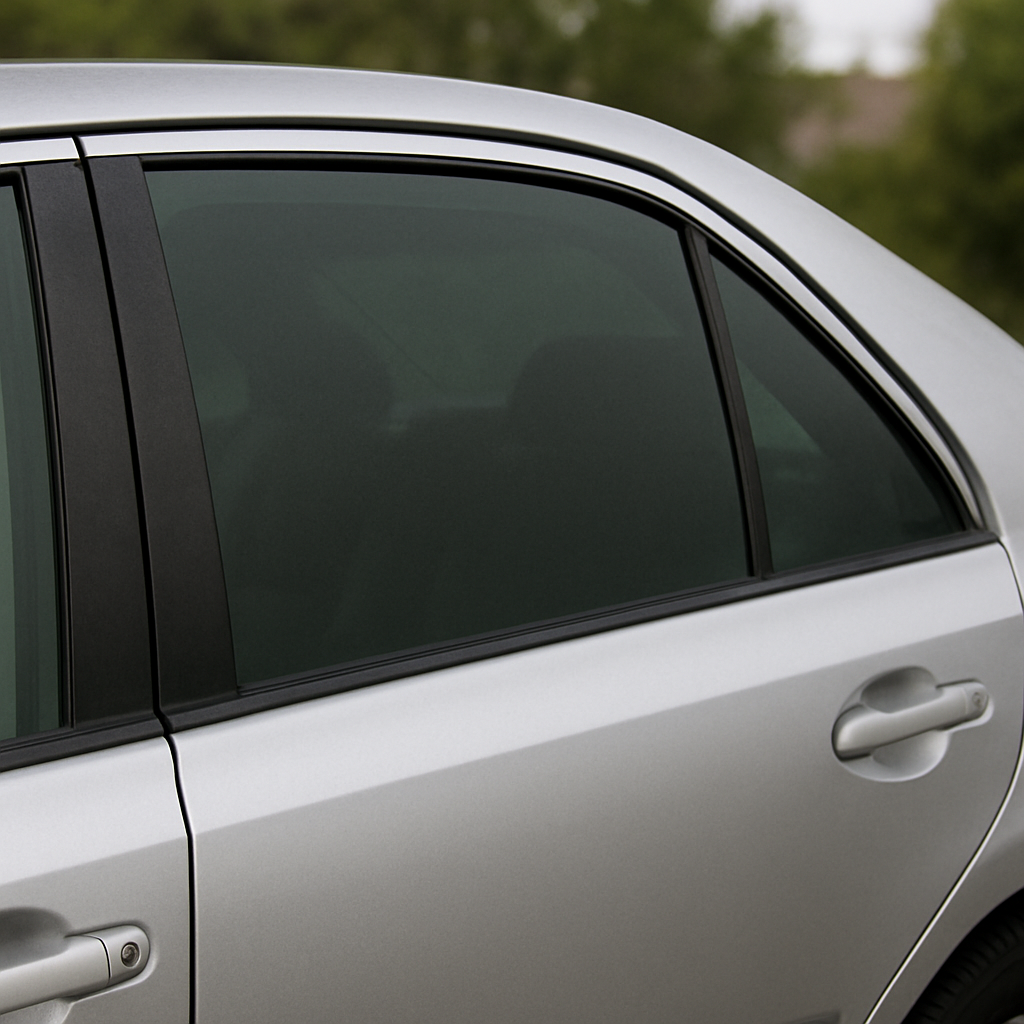
Window tint is measured by its Visible Light Transmission (VLT) percentage, which indicates how much light passes through the tint. A 70 Vlt tint means that 70% of visible light is allowed to pass through the window. This level of tint provides a moderate amount of shade, offering a balance between visibility and protection. It is an excellent choice for those who want to maintain a clear view while still benefiting from some level of shading.
Choosing a 70 Vlt window tint can be particularly beneficial if you frequently drive in varying light conditions. The moderate tint level ensures that your vision remains unobstructed during both day and night driving. Moreover, it offers an enhanced driving experience by reducing the glare from sunlight and headlights, which can be particularly distracting and fatiguing during long journeys.
Benefits of 70 Vlt Window Tint
Improved Comfort: By reducing glare and heat, 70 Vlt tint improves the overall comfort of your car’s interior. This can be particularly beneficial during hot summer days when the sun’s rays can make your car unbearably warm. The reduction in heat can also prolong the life of your car’s air conditioning system by lessening its workload, thereby providing additional savings on fuel.
UV Protection: Prolonged exposure to UV rays can damage your skin and car interiors. A 70 Vlt tint blocks a significant amount of UV radiation, helping to protect both your skin and the interior of your car from fading and cracking. This protection is crucial not only for your health but also in maintaining the resale value of your vehicle by preserving its interior condition.
Enhanced Privacy: While not as dark as some tints, a 70 Vlt tint still provides a degree of privacy by making it harder for outsiders to see into your vehicle. This can be particularly useful in deterring potential thefts by keeping the contents of your car less visible. It also offers a sense of personal space, allowing you to feel more secure when parked in public areas.
Aesthetic Appeal: For those who prefer a more subtle look, 70 Vlt tint offers a sleek and sophisticated appearance without drastically altering the look of your car. The tint adds a touch of elegance and can complement any vehicle color, enhancing the overall visual appeal. It is a versatile option that can seamlessly blend with both modern and classic car designs.
Energy Efficiency: By blocking heat from entering the vehicle, 70 Vlt tint can reduce the need for air conditioning, thereby improving fuel efficiency. This not only saves money but also contributes to a reduction in the vehicle’s carbon footprint. Over time, the savings on fuel can offset the initial cost of the tint, making it a financially sound investment.
Comparing 70 Vlt with Other Tints
When choosing window tint, it’s important to consider how 70 Vlt compares to other levels of tint. Each level of tint offers different benefits and drawbacks, and understanding these can help you choose the best option for your specific needs and preferences.
Lighter Tints
Tints with higher VLT percentages, such as 80% or 90%, allow more light to pass through. These tints offer less heat and UV protection but provide excellent visibility. They are ideal for those who want minimal tinting and are primarily concerned with maintaining clear visibility. These tints are particularly suited for regions where sunlight is less intense or for drivers who prefer a more open feel in their vehicle.
Lighter tints can also be an excellent choice for vehicles that have larger windows or for those who want to maintain the original look of the car. They provide a subtle shade that can slightly reduce glare without impacting the overall lightness of the car’s interior. Additionally, they are less likely to attract the attention of law enforcement in areas with strict tinting laws.
Darker Tints
Lower VLT percentages, such as 20% or 30%, block more light and offer greater privacy and heat reduction. However, they can also reduce visibility, especially at night. These tints are often chosen for their strong privacy features and bold look, appealing to those who prioritize privacy and a distinctive appearance.
Darker tints are particularly effective in regions with intense sunlight, providing maximum protection against heat and UV rays. However, they require careful consideration of local laws and personal safety, as reduced visibility can be a concern during nighttime driving or in adverse weather conditions. It’s crucial to weigh the benefits of privacy and heat reduction against the potential drawbacks in visibility.
Legal Considerations
It’s important to note that window tint laws vary by state and country. Before installing any tint, ensure that your choice complies with local regulations. In many regions, 70 Vlt is a legal and safe choice for front windows, providing a good balance of benefits without risking legal issues.
Understanding local tint laws can prevent potential fines and the hassle of having to remove non-compliant tints. Researching these regulations beforehand can save time and money, ensuring that the chosen tint provides the desired benefits while adhering to legal standards. Consulting with a professional installer can also help clarify any questions regarding compliance.
How to Choose the Right Tint for Your Needs
When selecting a window tint, consider the following factors to ensure you make the best choice for your vehicle and lifestyle:
Purpose
Determine what you want most from your tint. Is it privacy, heat reduction, UV protection, or aesthetics? Knowing your primary goal will help you choose the right VLT percentage. For instance, if UV protection is your top priority, focus on tints that offer the highest level of UV blocking technology.
Understanding your primary objectives can also help narrow down options, making the selection process less overwhelming. If your needs change over time, consulting with a professional can help you adjust your tint to suit new preferences or requirements.
Climate
If you live in a hot climate, a tint with good heat rejection, such as 70 Vlt, can keep your car cooler and reduce reliance on air conditioning. In cooler climates, you might prioritize UV protection or aesthetics over heat rejection. Consider how the tint will perform in varying weather conditions throughout the year.
Assessing climate factors can also guide decisions on additional features, such as infrared rejection or glare reduction. These features can enhance comfort and safety, ensuring that the tint performs optimally regardless of seasonal changes.
Vehicle Type
Consider the type and color of your vehicle. A 70 Vlt tint complements most colors and types, offering a balanced look. However, the final decision should align with your personal style preferences. The size and shape of your vehicle’s windows can also influence the effectiveness and appearance of the tint.
For instance, larger vehicles may benefit more from tints with higher heat rejection capabilities, while sports cars might prioritize a sleek aesthetic. Matching the tint to your vehicle’s design can enhance its overall appearance and provide a cohesive look.
Budget
Window tinting can range in price depending on the quality and type of film used. While it may be tempting to opt for cheaper options, investing in a high-quality tint will provide better longevity and performance. Consider the long-term benefits and potential savings on energy costs when evaluating your budget.
Balancing cost with quality ensures that the tint not only meets immediate needs but also provides lasting value. High-quality tints often come with warranties that offer peace of mind and protection against defects or fading.
Professional Installation
To ensure the best results, it’s recommended to have your window tint installed by a professional. They can provide expert advice on the best tint for your needs and ensure a flawless application. Professional installation reduces the risk of bubbles, peeling, or improper adhesion.
Choosing a reputable installer can also offer insights into the latest tinting technologies and trends, allowing you to make an informed decision. Additionally, professionals can assist with compliance checks and provide maintenance tips to extend the life of your tint.
The Installation Process
Once you’ve chosen the right tint, the installation process is straightforward but requires precision. Here’s what to expect:
Preparation: The windows are cleaned thoroughly to remove any dirt or debris that could affect the tint’s adhesion. This step is crucial to ensure a smooth and even application, preventing any imperfections in the final result.
Cutting: The tint film is precisely cut to fit each window. This step is crucial for ensuring a seamless look. Professional installers use specialized tools and techniques to achieve precise cuts that align perfectly with the window’s edges.
Application: The film is carefully applied to the interior of the windows, ensuring no air bubbles or creases are present. This step requires skill and attention to detail to achieve a perfect finish that enhances the vehicle’s appearance.
Curing: The tint needs time to cure and adhere properly. This process can take a few days, during which you should avoid rolling down the windows. The curing period ensures that the tint bonds fully with the glass, maximizing its durability and effectiveness.
Maintaining Your Window Tint
Proper maintenance will extend the life of your window tint. Here are some tips:
Avoid Harsh Cleaners: Use a mild soap and water solution or a cleaner specifically designed for window tint. Harsh chemicals can degrade the tint film and cause discoloration or peeling over time.
Soft Cloth: Use a soft microfiber cloth to prevent scratches when cleaning the tinted windows. Regular cleaning with a gentle touch helps maintain the clarity and appearance of the tint.
Avoid Rolling Down Windows: For a few days after installation, keep windows rolled up to ensure the tint cures properly. Adhering to this precaution helps prevent any disruptions in the curing process and ensures the tint adheres securely.
Conclusion
by Farida Gurbanova (https://unsplash.com/@fagurbanova)
Choosing the right 70 Vlt window tint involves considering your needs, climate, and personal style. This tint offers a great balance of visibility, comfort, and protection, making it a popular choice among car owners. Remember to check local regulations and consider professional installation to achieve the best results. With the right choice, you can enhance both the look and functionality of your vehicle, making every drive more enjoyable and stylish.
Ultimately, a well-chosen and properly installed window tint can transform your driving experience, offering benefits that extend beyond aesthetics. By prioritizing quality and compliance, you can enjoy the advantages of a comfortable and protected vehicle interior for years to come.
Winter is a season of cozy evenings by the fireplace, warm mugs of cocoa, and unfortunately, higher energy bills. As the temperature drops, homeowners often find themselves struggling to keep their homes warm without the hefty price tag that comes with increased heating. Luckily, there’s an often-overlooked solution: window film.
In this article, we’ll explore the numerous benefits of using window film in the winter. From energy savings to enhanced comfort, window film is an affordable and effective way to improve your home’s efficiency and comfort during the colder months.
Window film is a thin layer of material applied to the interior surface of windows. It can be made from various materials, including polyester or vinyl, and is designed to improve your window’s performance. While window films are often associated with reducing glare and blocking UV rays in the summer, they offer significant advantages during the winter months as well. If you’re new to the concept, this Introduction to window films provides a helpful overview of how they work and why they’re effective.
Types of Window Film
There are several types of window films, each designed to address specific needs:
Thermal Window Film: This is designed to enhance insulation, reducing heat loss during winter and keeping your home warmer.
Security Film: Adds an extra layer of protection by holding shattered glass in place in case of breakage.
Decorative Film: Offers aesthetic enhancements, allowing for privacy and style without compromising natural light.
Window Film Benefits in Winter
Energy Efficiency
One of the most compelling reasons to use window film during winter is its ability to improve energy efficiency. Thermal window films act as an insulative barrier, reducing heat loss through windows. According to the U.S. Department of Energy, improving window efficiency can significantly reduce heating and cooling costs. This means your heating system doesn’t have to work as hard, leading to lower energy bills and a reduced carbon footprint.
Enhanced Comfort
With window film, you can enjoy a more consistent indoor temperature. By minimizing drafts and cold spots near windows, your home feels cozier and more comfortable, regardless of the temperature outside. This is particularly beneficial for homeowners with older windows that may not be as efficient as modern designs.
UV Protection
Even in winter, UV rays can penetrate windows and cause furniture, flooring, and artwork to fade. Window film blocks up to 99% of harmful UV rays, protecting your interior furnishings and preserving their appearance and longevity. The U.S. Environmental Protection Agency (EPA) highlights the importance of limiting UV exposure to protect both health and interior materials.
Glare Reduction
Winter sun can be surprisingly bright and create uncomfortable glare on screens and surfaces. Window film reduces glare, allowing you to enjoy natural light without the discomfort or the need to constantly adjust blinds or curtains.
Cost-Effective Home Improvement
Affordable Installation
Window film is a cost-effective solution compared to replacing entire windows. The installation process is quick and non-intrusive, making it an ideal choice for homeowners looking to improve their home’s efficiency without major renovations.
Long-Term Savings
While the initial investment in window film is relatively low, the long-term savings can be substantial. By reducing energy consumption, homeowners can see a return on investment through lower utility bills, making window film a smart financial choice for the long run.
Opting for window film is not only beneficial for your wallet but also for the environment. By improving your home’s energy efficiency, you reduce the demand for heating, which in turn decreases greenhouse gas emissions. This makes window film an eco-friendly choice for environmentally conscious homeowners.
Aesthetic and Design Flexibility
Style Options
Window films come in various styles and designs, offering homeowners the flexibility to choose options that complement their interior decor. From frosted films that provide privacy to decorative patterns that add a touch of elegance, there’s a window film for every aesthetic preference.
Custom Solutions
For interior designers, window film offers a versatile tool to enhance both the functionality and appearance of a space. Films can be customized to meet specific design needs, ensuring that the solution is tailored to the client’s vision and lifestyle.
Installation Process
Professional vs. DIY
While DIY kits are available, professional installation is recommended to ensure the best results. Professionals have the expertise to apply the film without bubbles or wrinkles, maximizing its performance and lifespan.
Maintenance and Care
Once installed, window film requires minimal maintenance. Regular cleaning with a soft cloth and mild detergent is usually sufficient to keep the film looking its best and performing optimally.
Conclusion
Incorporating window film into your home during the winter months offers numerous benefits, from energy savings and enhanced comfort to UV protection and aesthetic appeal. It’s a cost-effective, eco-friendly solution that can transform your living space into a more efficient and enjoyable environment.
For homeowners seeking innovative ways to improve their home’s performance and reduce energy costs, window film is a valuable investment that pays off in both the short and long term. Consider adding window film to your winter home improvement checklist and enjoy the warmth, comfort, and savings it brings.
In today’s world, where energy efficiency and sustainability are paramount, homeowners and interior designers are constantly seeking innovative solutions to improve the energy performance of homes without compromising on aesthetics. One such solution that has been gaining attention is thermal window film. But what exactly is the ROI of thermal window film, and why should you consider it for your home or design projects?
Thermal window film is a thin layer of material applied to windows to enhance their insulating capabilities. It acts as a barrier, reducing the amount of heat transferred through the glass. This means in the summer, it helps keep the heat out, and in the winter, it helps keep the warmth in. The result? More energy-efficient windows that contribute to lower heating and cooling costs.
How Does It Work?
Thermal window film works by reflecting and absorbing solar energy. It is designed to allow visible light to pass through while blocking a significant amount of the sun’s heat and harmful UV rays. This not only helps in maintaining comfortable indoor temperatures but also protects furnishings from fading.
Types of Thermal Window Films
There are various types of thermal window films available, each with its own set of benefits. Some are tinted to provide additional privacy, while others are clear, maintaining the natural look of the glass. There are also decorative films that can add a touch of style to your windows. The choice of film depends on your specific needs and aesthetic preferences.
The Financial Benefits of Thermal Window Film
One of the most compelling reasons to invest in thermal window film is the return on investment (ROI) it offers. Here’s how this investment can pay off:
Lower Energy Bills
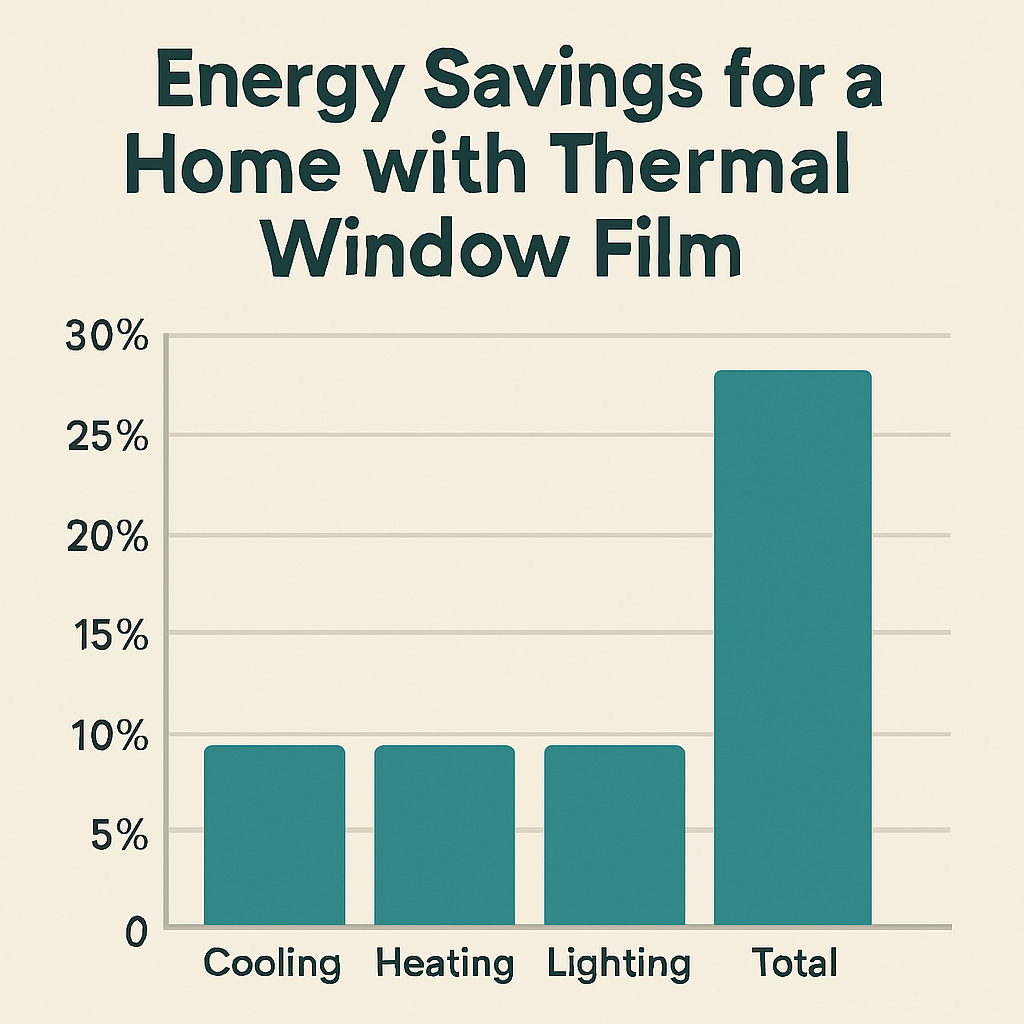
By improving the insulation of your windows, thermal window film reduces the need for excessive heating in the winter and air conditioning in the summer. This can lead to significant savings on your energy bills. Some studies suggest that homeowners can save up to 30% on their energy costs after installing thermal window film.
Increased Property Value
Energy-efficient upgrades are attractive to potential buyers. Installing thermal window film can increase the marketability of your property, making it a worthwhile investment if you ever decide to sell your home.
Extended Lifespan of Interiors
The UV protection offered by thermal window film helps prevent fading and damage to furniture, flooring, and artwork. This means your interior investments last longer, reducing the need for costly replacements or repairs.
Environmental Impact
In addition to financial benefits, thermal window film contributes positively to the environment. By reducing energy consumption, you are lowering your carbon footprint, which is a crucial step towards sustainable living.
Supporting Eco-Friendly Initiatives
Many local governments and utility companies offer incentives for homeowners who make energy-efficient upgrades. Installing thermal window film may qualify you for rebates or tax credits, further enhancing the financial benefits.
Choosing the Right Thermal Window Film
by Sheeyam (https://unsplash.com/@sheeyams)
Selecting the right thermal window film involves considering several factors:
Your Climate
The effectiveness of thermal window film can vary based on the climate you live in. In warmer climates, films that block a higher percentage of solar energy are beneficial, while in colder regions, films that focus on retaining heat might be more suitable.
Aesthetic Preferences
As mentioned earlier, thermal window films come in various styles and finishes. Consider whether you prefer a clear film that doesn’t alter the appearance of your windows or a tinted or decorative option that adds a design element to your space.
Professional Installation
While some homeowners may choose to install window film themselves, professional installation ensures the best results. Professionals have the expertise to apply the film without bubbles or creases, ensuring maximum performance and longevity.
Case Studies: Real-World Applications
Consider these examples of how thermal window film has been used effectively:
Residential Applications
In a suburban home in Texas, the installation of thermal window film resulted in a 20% reduction in energy bills within the first year. The homeowners also noticed that their home was more comfortable, with fewer hot and cold spots.
Commercial Applications
A small office building in California applied thermal window film to its south-facing windows. The result was a noticeable decrease in cooling costs and improved comfort for employees, leading to increased productivity and job satisfaction.
Conclusion: Is Thermal Window Film Right for You?
Thermal window film is a cost-effective, energy-efficient solution that offers multiple benefits. Whether you are a homeowner looking to reduce energy bills or an interior designer seeking eco-friendly solutions for clients, thermal window film could be the answer you’ve been searching for.
Incorporating thermal window film into your home improvement projects not only enhances energy efficiency but also adds value to properties and extends the life of interior furnishings. With the added potential for rebates and increased property value, the ROI of thermal window film is clear.
If you’re considering thermal window film, consult with a professional installer to discuss your specific needs and find the perfect solution for your windows. With the right film, you can enjoy a more comfortable, energy-efficient, and stylish living space.