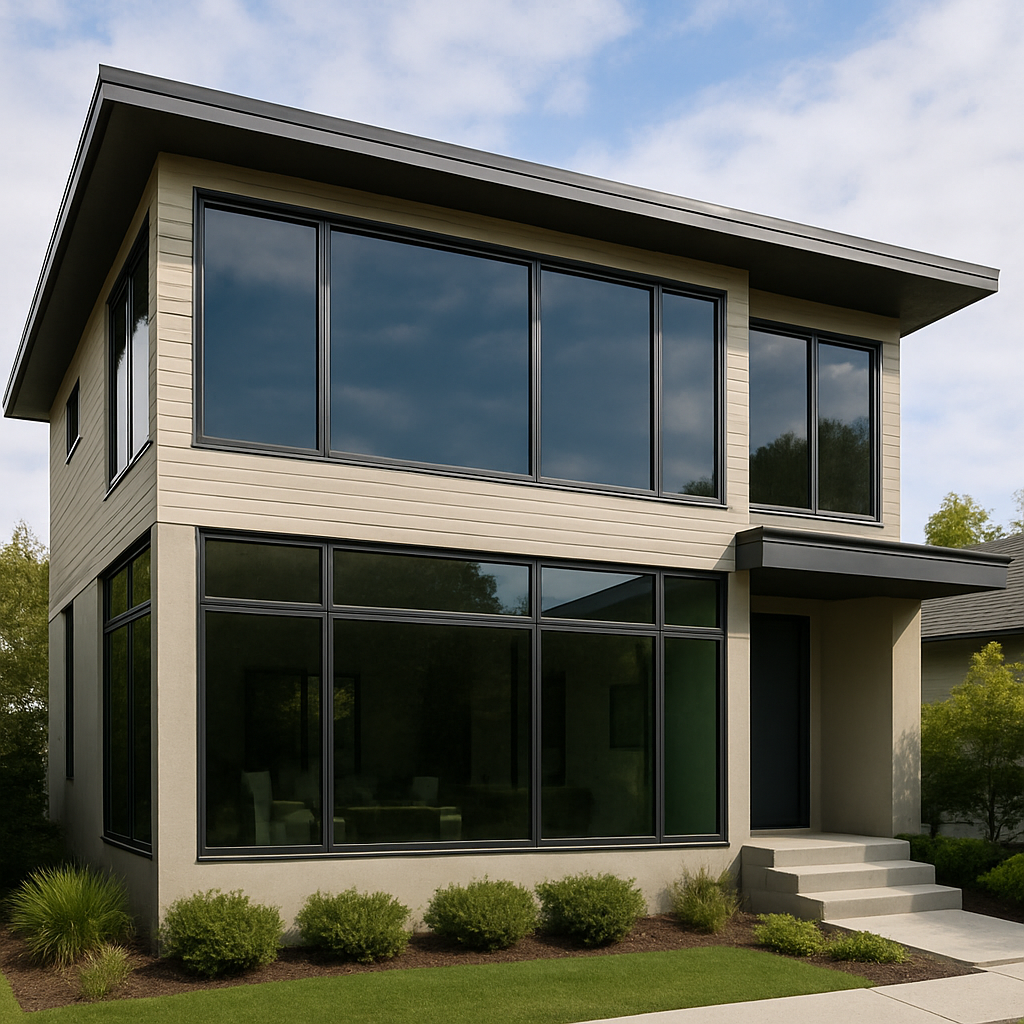
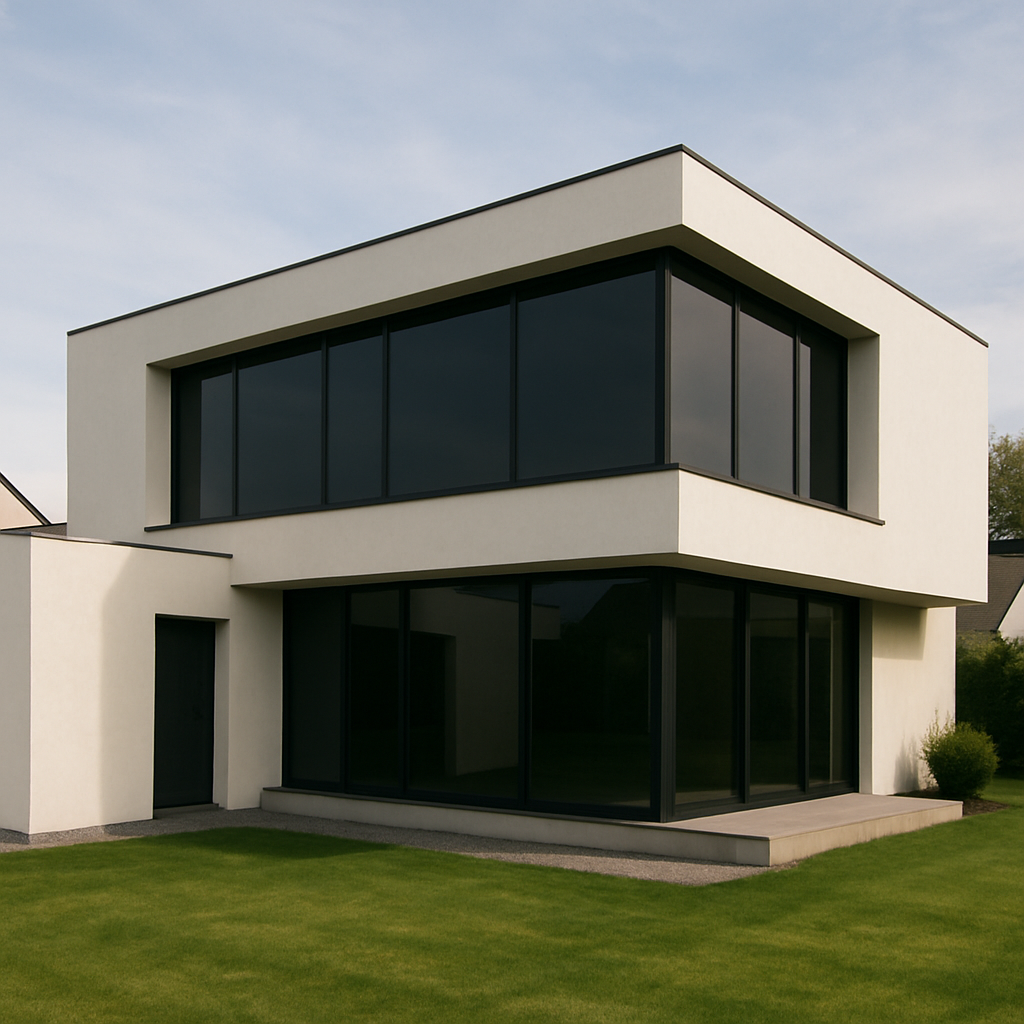
In the ever-evolving world of home improvement, solar control window films have gained significant attention. However, with their growing popularity, a variety of myths and misconceptions have emerged. As an expert in window film installations, I’m here to debunk these myths and provide you with the clear, straightforward facts about solar control window films.
Understanding Solar Control Window Film
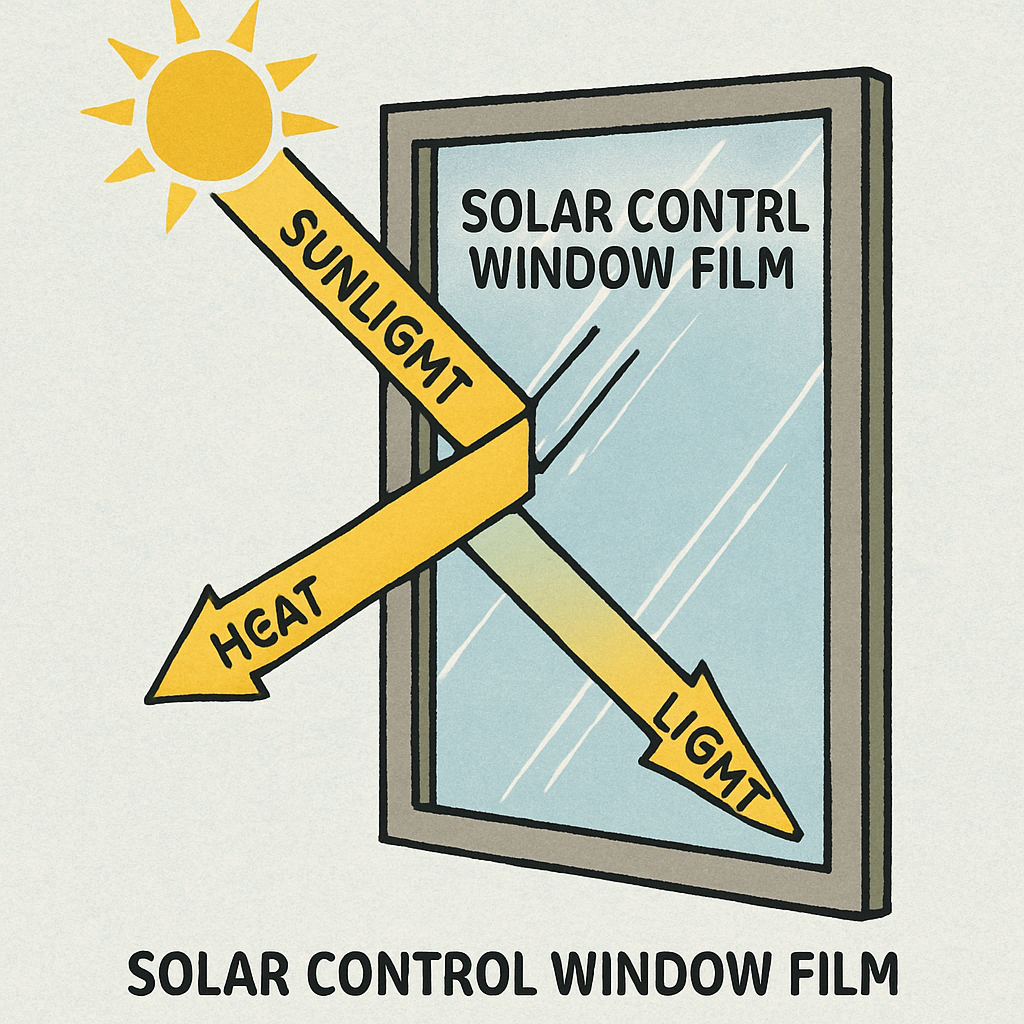
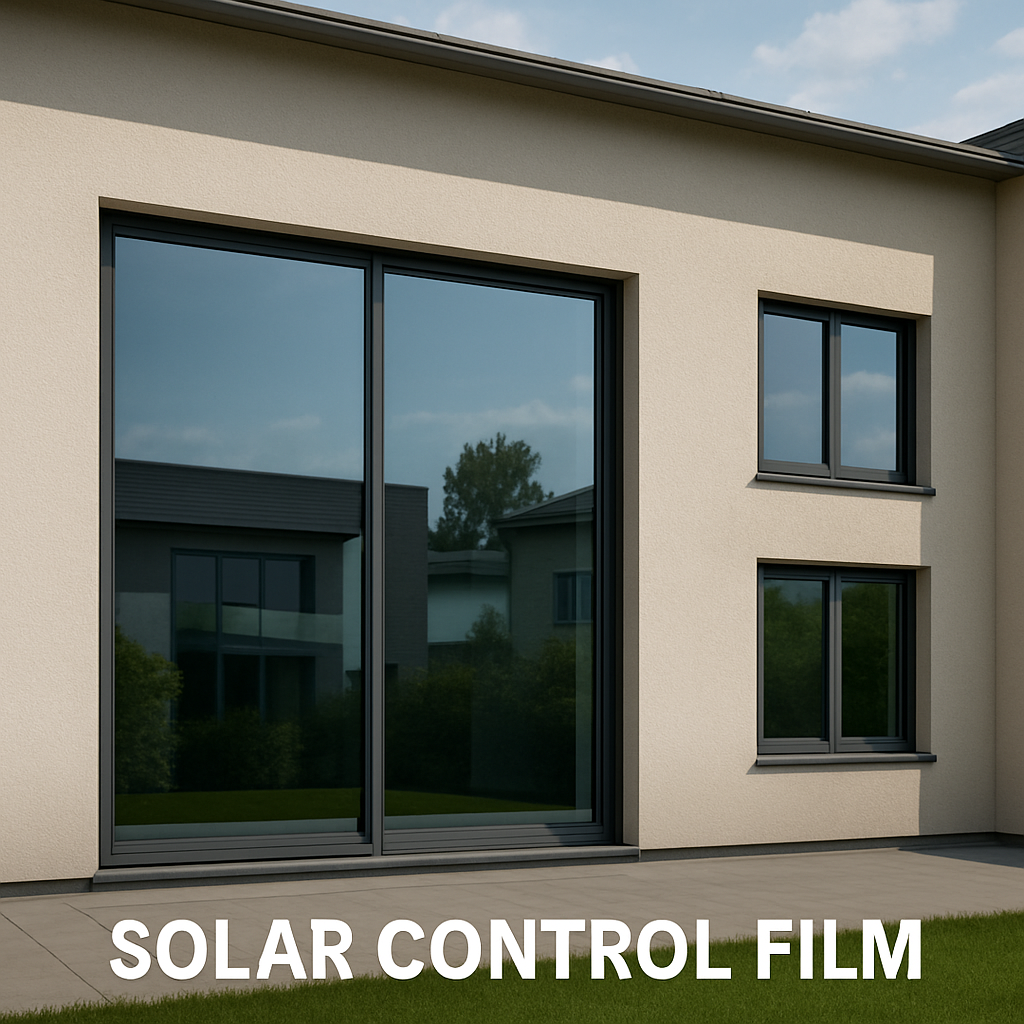
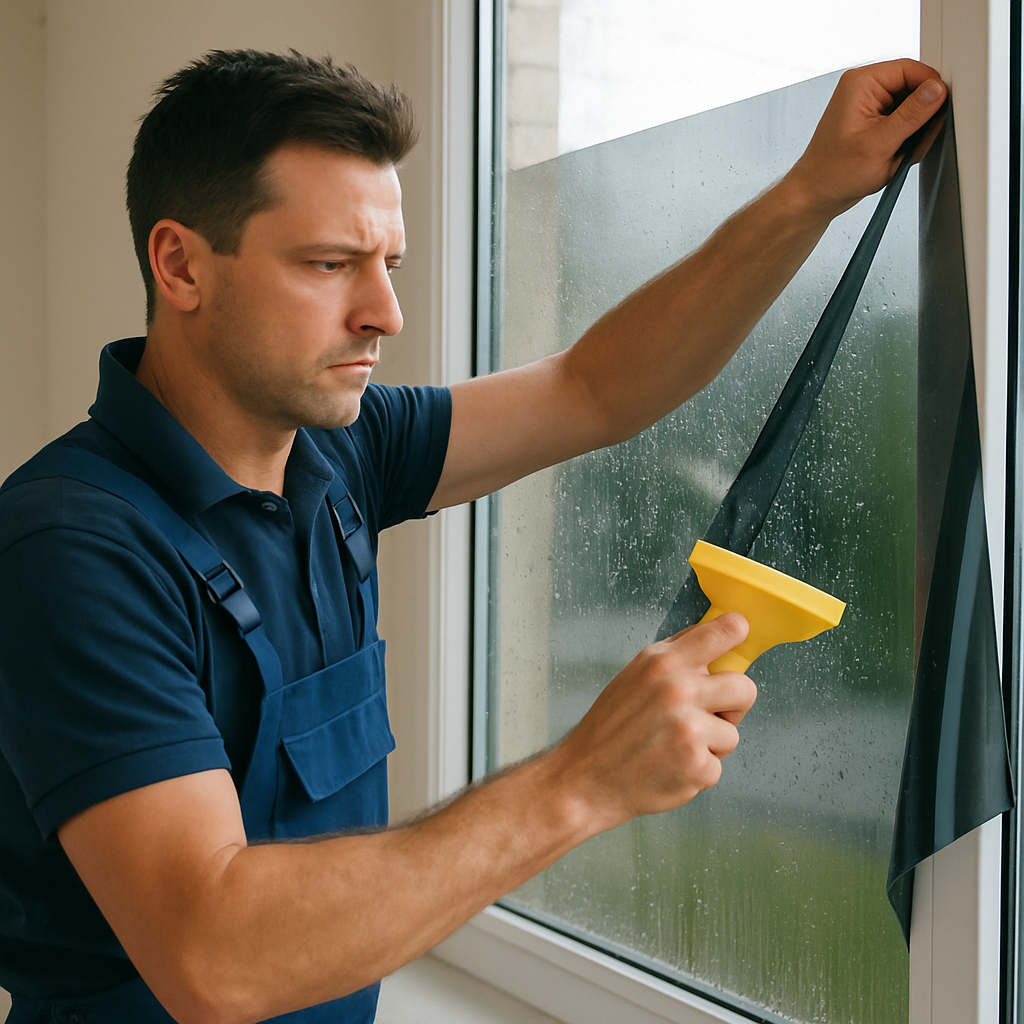
Before diving into the myths, let’s clarify what solar control window film actually is. Solar window film is a thin layer of polyester or other materials that you apply to the interior surface of windows. Its primary purpose is to reduce heat and glare from the sun, helping to maintain a comfortable indoor environment while also protecting interiors from harmful UV rays.
The Benefits of Solar Control Window Film
Solar control window films offer a multitude of benefits, such as enhancing energy efficiency, protecting furnishings from UV damage, and increasing privacy without sacrificing natural light.
Myth 1: Solar Window Film Makes Rooms Too Dark
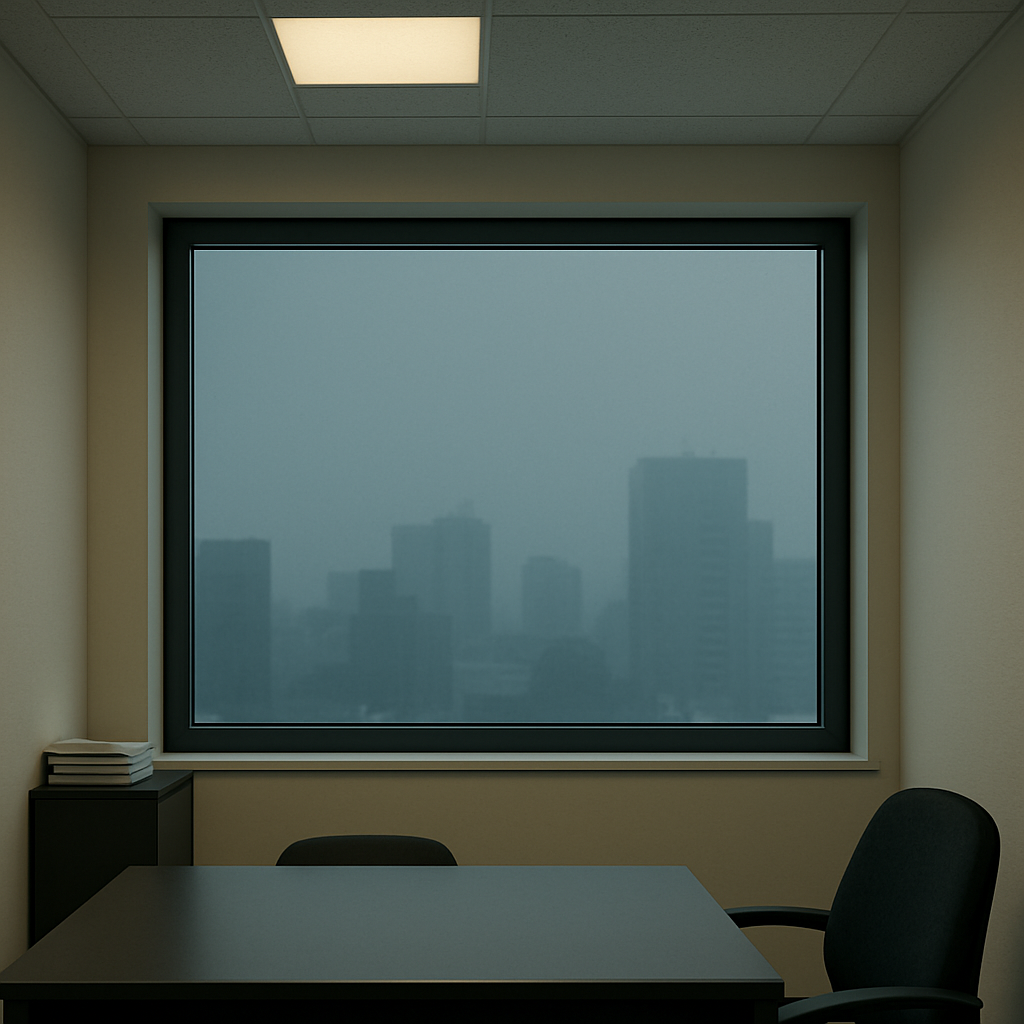
A common misconception is that solar control window films will darken rooms excessively, similar to a pair of heavy curtains. While some films are designed to reduce glare significantly, they don’t necessarily block out all light. Modern solar films are engineered to be selective about the type of light they block, allowing natural light to pass through while minimizing glare and heat.
Fact Check: Balanced Light and Comfort
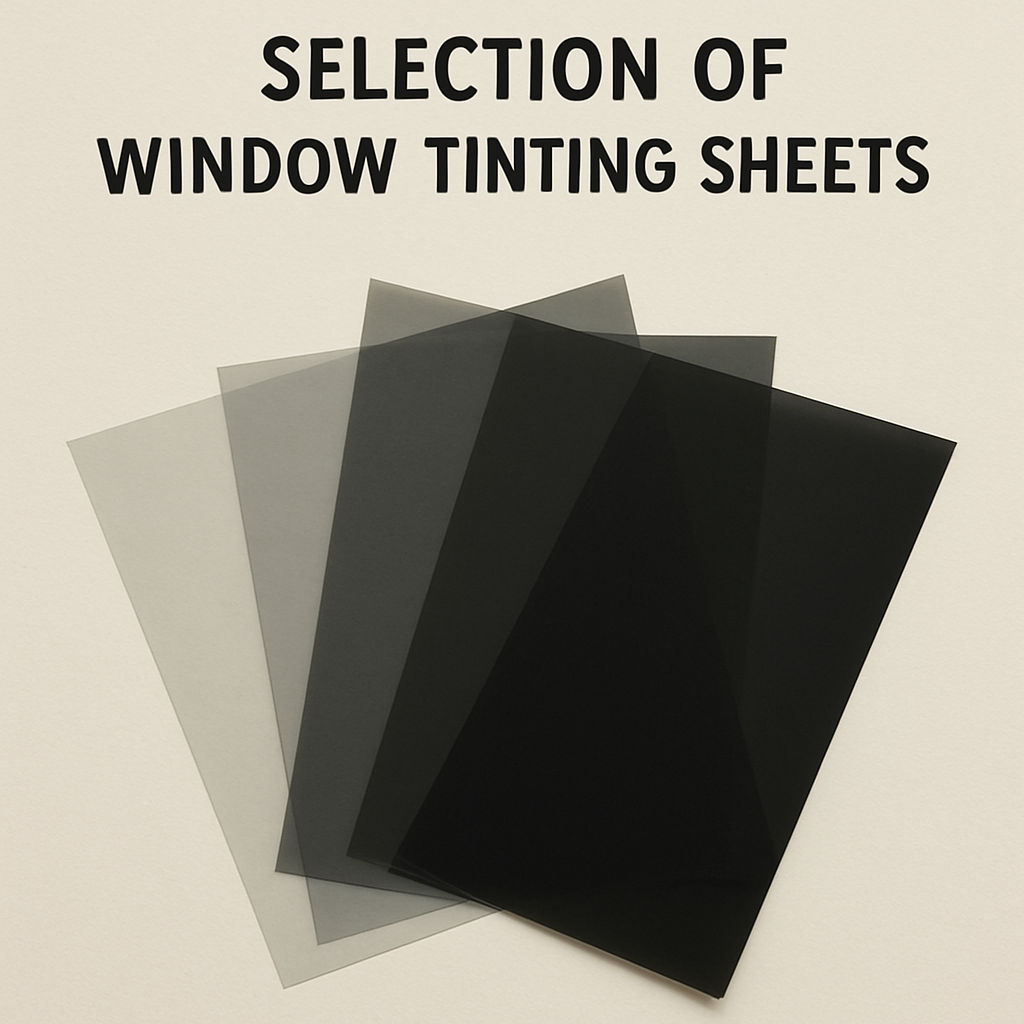
Today’s solar films come in various tints and shades, offering options that maintain the brightness of your spaces while still providing the sun protection you need. This means you can enjoy your view and natural lighting without the discomfort of too much heat or glare.
Myth 2: Solar Control Window Film Damages Windows
Another prevalent myth is that applying solar window film can damage windows by causing them to crack or break due to thermal stress. This concern is often based on misunderstandings about how window films work.
Fact Check: Safe and Effective
Quality solar control window films are designed to be compatible with the glass and frames to which they are applied. When professionally installed, they do not cause damage. Reputable window film manufacturers test their products extensively to ensure their safety and effectiveness.
Myth 3: Solar Films Are Only Useful in Hot Climates
There’s a belief that solar control window films are only beneficial in regions with high temperatures and relentless sunshine. However, this overlooks the year-round benefits of these films.
Fact Check: Year-Round Energy Savings
Solar films are not only useful in hot climates. They can help in colder regions by providing insulation that reduces heat loss through windows. This dual function helps to lower heating and cooling costs, making them an excellent investment no matter where you live.
Myth 4: Solar Control Window Film Is Expensive and Not Cost-Effective
Some homeowners hesitate to invest in solar window film, thinking that the costs outweigh the benefits. This myth can deter people from enjoying the long-term savings and comfort that films provide.
Fact Check: A Wise Investment
While there is an initial cost for installation, the energy savings from reduced cooling and heating bills can quickly offset it. Furthermore, by protecting your interior furnishings from fading, solar control films can prolong the life of your belongings, adding even more value.
by Gustav Öberg (https://unsplash.com/@gustoberg)
Myth 5: All Window Films Are the Same
It’s easy to assume that all window films offer the same benefits and features, but this isn’t the case. Different films are designed for different needs and applications.
Fact Check: Diverse Options for Different Needs
Solar control films vary in terms of UV protection, glare reduction, and heat rejection levels. It’s crucial to select a film that meets your specific needs, whether that’s enhancing privacy, improving energy efficiency, or protecting furnishings. Consulting with a professional can help you choose the right film for your home or project.
How to Choose the Right Solar Control Window Film
When selecting a solar control window film, consider the specific needs of your space. Are you looking to reduce glare in a TV room, protect artwork from fading, or simply save on energy costs? Here are a few tips to help guide your decision:
Assess Your Needs: Identify the primary reasons you want window film. Different films have varying strengths in heat rejection, glare reduction, and UV protection.
Consult a Professional: A professional installer can offer insights into which films work best for your location, window type, and desired outcomes.
Consider Aesthetics: Choose a film that complements your home’s interior design. Films come in various tints and finishes that can enhance the look of your windows.
Conclusion: Embrace the Benefits of Solar Control Window Film
Solar control window films provide a host of benefits, from energy savings and UV protection to enhanced comfort and aesthetics. By debunking common myths, we hope you feel more informed about the capabilities and value of solar window films. Whether you’re an interior designer seeking to improve a client’s living space or a homeowner looking to enhance your home, these films offer a practical, stylish solution for modern living.
Remember, when it comes to choosing the right solar control window film, knowledge is power. Don’t let myths hold you back from making an informed decision that can improve your home’s comfort and efficiency.
When it comes to enhancing the aesthetics and energy efficiency of a home, many homeowners and interior designers are turning their attention to an often-overlooked solution: home window tinting. This innovative approach not only adds a sleek, modern look to any space but also provides a range of practical benefits that make it a smart investment. In this article, we’ll explore the various advantages of home window tinting, the types of tinting sheets available, and how to choose the right solution for your needs.
Home window tinting is more than just a stylistic choice; it offers significant functional benefits. Here are a few reasons why this could be a game-changer for your home:
Energy Efficiency
One of the most compelling reasons to consider window tinting is the potential for energy savings. Tinted windows reduce the amount of heat that enters your home, which can significantly lower your cooling costs during the hot summer months. According to the U.S. Department of Energy, certain window films can help reduce heat gain and improve overall energy performance. By blocking out a significant portion of the sun’s rays, window tinting helps maintain a consistent indoor temperature, reducing the need for air conditioning and ultimately saving you money on energy bills. For homeowners looking to maximize performance, energy-efficient window tint options can further enhance year-round comfort.
UV Protection
While natural sunlight is a lovely feature in any home, it can also be damaging. Prolonged exposure to ultraviolet (UV) rays can lead to fading of furniture, carpets, and other interior elements. As noted by the Environmental Protection Agency (EPA), UV radiation can cause material degradation over time. The Skin Cancer Foundation also highlights the protective benefits of UV-filtering window films. Home window tinting sheets can block up to 99% of UV rays, helping to preserve your furnishings and extend their lifespan.
Enhanced Privacy and Security
Tinted windows add an extra layer of privacy, preventing outsiders from peering into your home while still allowing you to enjoy the view from the inside. Additionally, some security window films are designed to hold glass together in the event of breakage, offering an added layer of security against potential intruders.
Types of Home Window Tinting Sheets
Choosing the right type of window tinting sheet is essential to achieving the desired look and performance. Here are the main types of window tinting options available:
Solar Control Films
These films are designed to control the amount of solar energy that enters your home. They are highly effective in reducing heat and glare, making them ideal for homes in sunny climates. Solar control films come in various shades and levels of transparency, allowing you to customize the look of your windows.
Decorative Films
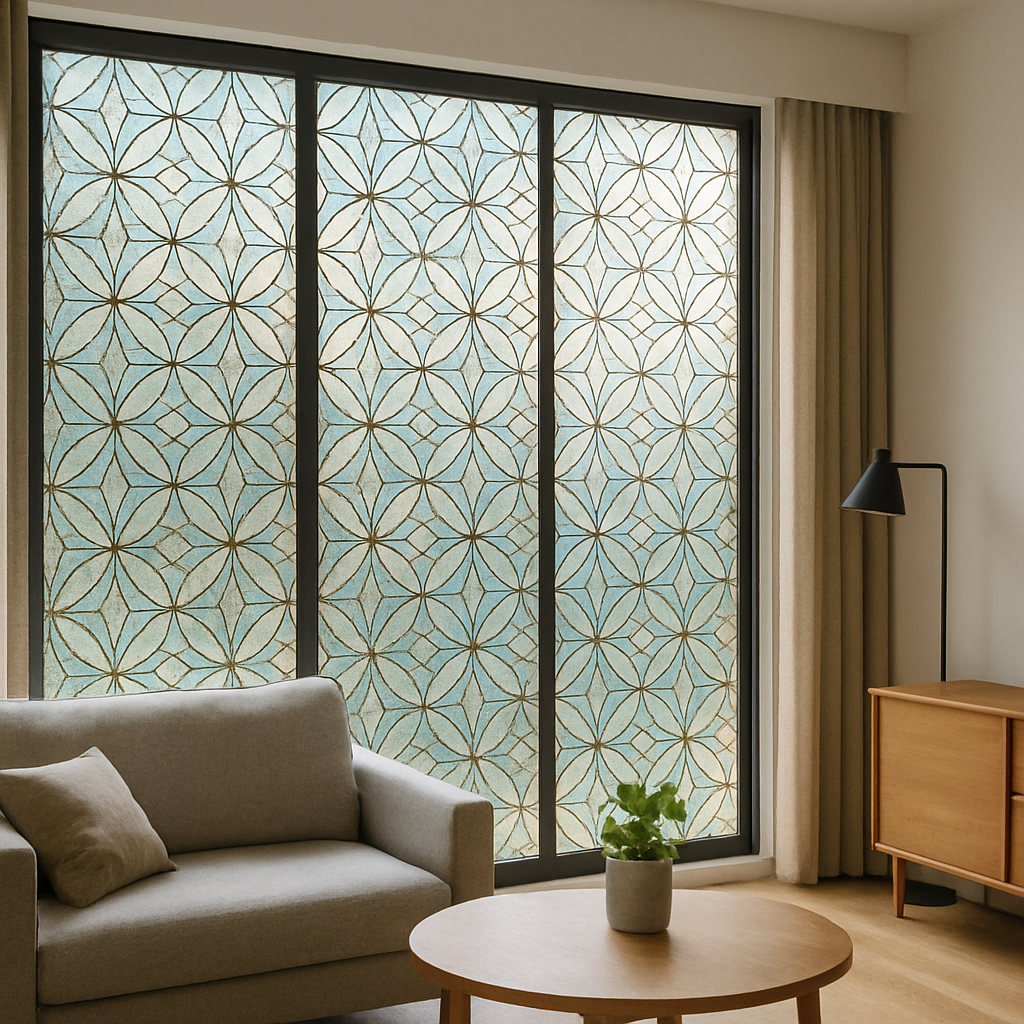
If you’re looking to add a unique touch to your windows, decorative films offer an array of patterns and designs. From frosted glass to intricate patterns, these films can enhance the aesthetic appeal of your home while still providing privacy.
Safety and Security Films
For homeowners concerned about safety and security, these films are an excellent choice. They are thicker than standard films and are designed to hold glass together in case of impact or breakage, reducing the risk of injury from shattered glass.
Low-E Films
Low-emissivity (Low-E) films are designed to improve insulation by reflecting heat back into the room during the winter and keeping heat out during the summer. These films are perfect for those looking to enhance energy efficiency year-round.
Selecting the appropriate window tinting solution depends on several factors, including your specific needs, budget, and aesthetic preferences. Here are some tips to help you make the right choice:
Assess Your Needs
Determine what you want to achieve with window tinting. Are you primarily looking for energy savings, enhanced privacy, or a decorative touch? Understanding your goals will help you narrow down the options.
Consider Your Climate
The climate in your area will influence the type of window film that is most suitable. In regions with intense sunlight, solar control films are often the best choice, while Low-E films are beneficial in areas with significant temperature fluctuations.
Evaluate Aesthetic Preferences
Consider how different films will look in your home. Some films offer a more reflective appearance, while others are nearly invisible. Choose a film that complements your home’s style and enhances its overall aesthetic.
Set a Budget
Window tinting can vary in cost depending on the type of film and the size of your windows. Set a budget that aligns with your financial situation and explore options within that range. Remember that investing in quality films can lead to long-term savings on energy bills.
Professional Installation vs. DIY
While some homeowners may be tempted to install window tinting sheets themselves, professional installation is often recommended. Here’s why:
Expertise and Precision: Professional installers have the experience and tools necessary to ensure a flawless application. They can prevent common issues like bubbling and uneven edges.
Warranty Protection: Many professional installations come with a warranty that covers any defects or issues that may arise, providing peace of mind.
Time and Convenience: Hiring a professional can save you time and hassle, allowing you to enjoy the benefits of window tinting without the stress of a DIY project.
Conclusion
Home window tinting offers a fresh perspective on enhancing your living space. With its ability to improve energy efficiency, protect against UV damage, and add privacy, it’s a versatile solution that caters to both functional and aesthetic needs. By choosing the right type of window tinting sheets and considering professional installation, you can transform your home into a more comfortable, stylish, and secure environment. Whether you’re an interior designer seeking innovative solutions for clients or a homeowner looking to upgrade your space, window tinting is a valuable investment that can deliver lasting benefits.
When it comes to enhancing the comfort and efficiency of a home, heat control window film stands out as a remarkable solution. This innovative product not only improves energy efficiency but also adds a layer of style and protection to windows. Whether you’re an interior designer looking to offer your clients eco-friendly solutions or a homeowner aiming to reduce energy costs, understanding the benefits of window films is essential.
Heat control window film is a thin, multi-layered polyester film applied to the interior surface of windows. It works by reflecting and absorbing solar energy, thus reducing heat gain in the summer and heat loss in the winter. This helps maintain a consistent indoor temperature, which can significantly lower energy consumption. According to the U.S. Department of Energy, properly selected window treatments can play a critical role in reducing unwanted heat gain and improving overall home efficiency.
Key Features of Heat Control Window Film
Energy Efficiency: By reducing the need for heating and cooling, window film can decrease energy bills.
UV Protection: Blocks up to 99% of harmful UV rays, protecting furniture and flooring from fading. The U.S. Environmental Protection Agency (EPA) also highlights the importance of minimizing UV exposure to protect indoor environments.
Glare Reduction: Minimizes glare on screens, making living spaces more comfortable.
Privacy and Security: Offers an added layer of privacy and can strengthen glass to prevent shattering.
Benefits of Window Insulation Film
Enhancing Comfort and Efficiency
One of the primary advantages of window insulation film is its ability to improve indoor comfort. During hot months, it reflects solar heat, keeping interiors cooler without excessive reliance on air conditioning. In colder months, it reduces heat loss, helping maintain a warmer environment. This balancing act ensures a comfortable living space year-round. Homeowners researching heat-blocking window films often discover how dramatically these films improve seasonal performance.
Cost-Effective Solution for Homeowners
For homeowners, investing in heat control window film is a cost-effective strategy. The reduction in energy usage leads to lower utility bills, and the film itself is generally less expensive than replacing windows with energy-efficient models. It’s a budget-friendly way to achieve substantial savings over time. Homeowners looking to maximize performance should also consider choosing an energy-efficient window tint to further enhance long-term savings.
Aesthetic and Functional Appeal
Window film doesn’t just offer functional benefits; it also enhances the aesthetic appeal of a home. Available in various shades and styles, it can complement any interior design while maintaining the view outside. This makes it an attractive choice for interior designers seeking to blend style with function.
Choosing the Right Window Film for Heat Control
Assessing Your Needs
Before selecting a window film, it’s important to assess the specific needs of your home or project. Consider factors like climate, window orientation, and the level of privacy desired. These elements will guide you in choosing a film that best suits your requirements.
Types of Heat Control Window Films
Reflective Films: These films are highly effective in reducing solar heat gain. They have a mirrored appearance and are ideal for areas with intense sunlight.
Ceramic Films: Known for their clarity, ceramic films provide excellent heat reduction without altering the appearance of windows.
Dyed Films: These offer moderate heat control and glare reduction, usually at a lower cost. They add a subtle tint to windows, enhancing privacy.
Dual-Reflective Films: These films are reflective on the exterior and less so on the interior, preserving indoor visibility while controlling heat.
Professional Installation vs. DIY
While some may consider DIY installation, professional installation ensures optimal performance and longevity of the film. Professionals have the expertise to handle complex installations, particularly for large or high windows, and can guarantee a flawless finish.
The window film industry is continuously evolving with technological advancements. Recent developments include films with enhanced infrared rejection capabilities and those that integrate smart technology, allowing for dynamic adjustments based on weather conditions. These innovations promise even greater energy savings and comfort. Programs such as ENERGY STAR also highlight the importance of certified energy-efficient window solutions.
Growing Demand for Sustainable Solutions
With increasing awareness of environmental issues, there is a growing demand for sustainable home improvement solutions. Heat control window films align with this trend by offering an eco-friendly way to improve energy efficiency. They help reduce carbon footprints while enhancing home comfort.
Integration with Smart Home Systems
Modern window films are now being integrated into smart home systems. This allows homeowners to control the level of tint and glare from their smartphones or through automated systems, optimizing comfort and efficiency based on real-time data.
Conclusion: The Future of Window Film
The future of heat control window film is bright, with ongoing innovations and a strong push towards sustainability. For interior designers, this means more opportunities to provide clients with stylish, energy-efficient solutions that enhance living spaces. For homeowners, it represents a smart investment in comfort, aesthetics, and energy savings.
By understanding the capabilities and benefits of heat control window film, you can make informed decisions that improve your living environment. Whether you’re looking to reduce energy costs, protect furnishings, or simply enjoy a more comfortable home, window film offers a versatile and effective solution.
Investing in heat control window film is not just a step towards better energy efficiency; it’s a commitment to a more sustainable and comfortable lifestyle. As the industry continues to innovate, the possibilities for enhancing home comfort and aesthetics are virtually limitless.
In the ever-evolving world of interior design, glass protection film has emerged as a versatile and innovative solution. Whether you’re looking to enhance aesthetics, improve energy efficiency, or ensure safety, glass protection film offers a range of benefits. Let’s explore the latest design trends using this remarkable material and discover how it can transform your living spaces.
Before diving into the trends, it’s essential to understand what glass protection film is. Simply put, it’s a thin laminate film that can be applied to glass surfaces. This film serves various purposes, including protection from UV rays, reducing glare, and providing privacy. It’s a cost-effective solution that offers both functional and aesthetic benefits.
Glass protection film is crafted from durable polyester compounds, making it resilient to wear and tear. Its multi-layered construction can include adhesive layers, UV blockers, and scratch-resistant coatings. This composition ensures that the film remains intact and effective over time, even under harsh conditions.
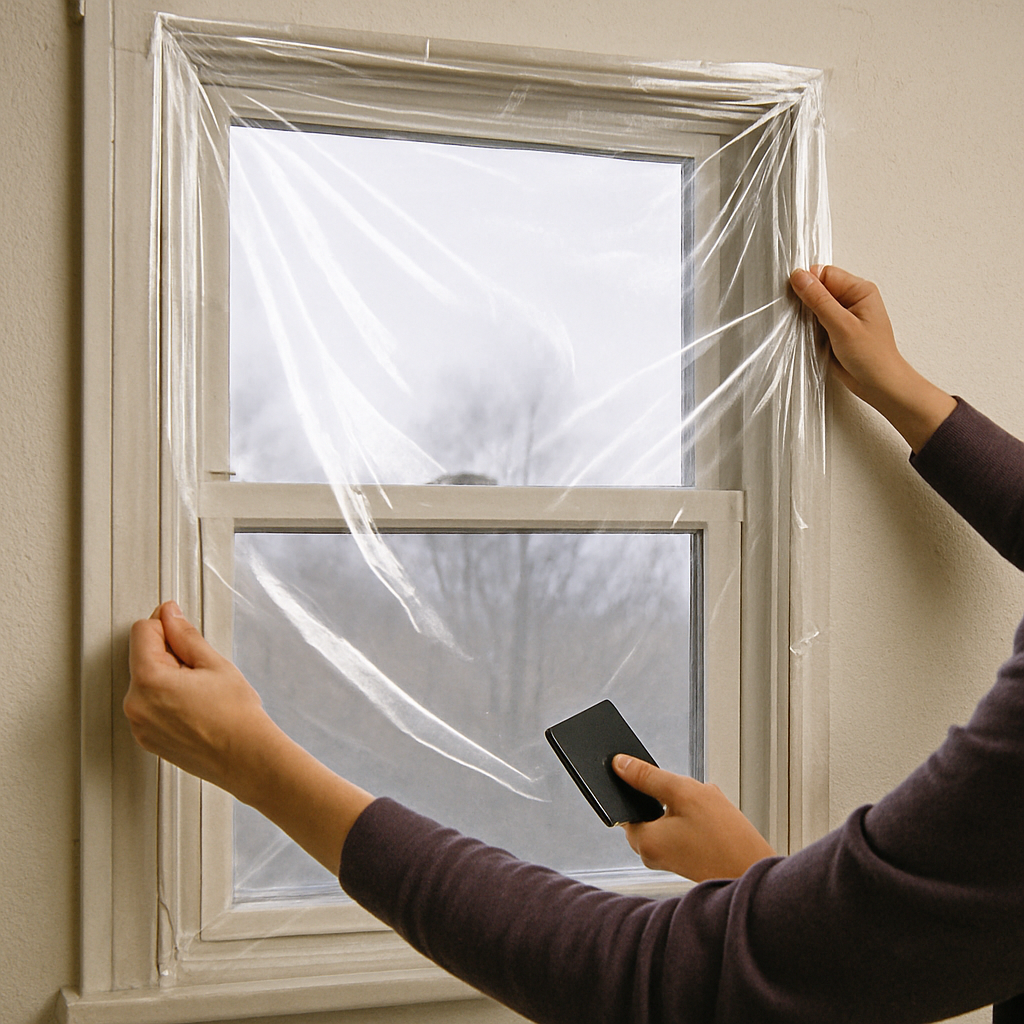
The installation of glass protection film requires precision and expertise. Professional installers use specialized tools to ensure a bubble-free application. The process involves cleaning the glass surface thoroughly, cutting the film to size, and carefully applying it to avoid creases and air pockets. This meticulous approach guarantees a seamless finish.
There are several types of glass protection films, each designed to fulfill specific needs. These include decorative films for aesthetic purposes, solar control films for energy efficiency, and security films for enhanced safety. Understanding these variations helps in selecting the right film for your particular requirements.
Decorative glass films are gaining popularity as a stylish way to transform spaces. These films come in a variety of designs, from frosted and etched patterns to vibrant colors and intricate graphics. They allow you to add a personal touch to glass surfaces, making them ideal for both residential and commercial applications.
Frosted and Etched Patterns
Frosted and etched glass films are perfect for adding elegance and privacy to any room. They mimic the appearance of frosted or sandblasted glass at a fraction of the cost. Use them on bathroom windows, office partitions, or any area where you want to maintain an open feel while ensuring privacy.
Frosted films diffuse light, creating a soft, ambient atmosphere that enhances the mood of a space. They are available in numerous patterns, ranging from simple geometric designs to complex floral motifs. This variety allows designers to tailor the look to match the overall theme of the room.
Etched patterns, on the other hand, provide a more sophisticated and timeless appeal. They are often used in corporate environments to convey professionalism and elegance. By choosing the right pattern, businesses can create a welcoming yet formal atmosphere for clients and employees alike.
Vibrant Colors and Graphics
For those looking to make a bold statement, vibrant colored films and graphic designs are a fantastic option. They can be customized to match your interior decor, making them a favorite choice for creative spaces. Whether you’re designing a playful children’s room or a modern office, these films offer endless possibilities.
Bright colors can energize a room, making it feel more dynamic and lively. This is particularly useful in spaces where creativity and innovation are encouraged, such as design studios or marketing agencies. By incorporating brand colors into the design, businesses can reinforce their identity and inspire their teams.
Graphic designs can tell a story or convey a message, making them a powerful tool for communication. From abstract art to photographic images, these films can transform a plain glass panel into a captivating focal point. This level of customization ensures that each installation is unique and meaningful.
Combining Aesthetic Elements
Decorative films can also be combined to create layered effects that add depth and intrigue to a space. By layering different patterns or colors, designers can achieve a multidimensional look that changes with the angle of light or the viewer’s perspective. This versatility allows for creative experimentation and innovation in design.
Combining films with architectural elements, such as lighting and structural features, further enhances their impact. For instance, backlighting a frosted film can create a stunning visual effect that draws attention and highlights the design. This integration of films with other design elements can elevate the overall aesthetic of a space.
Trend #2: Energy Efficiency and Sustainability
In today’s eco-conscious world, energy efficiency is a top priority for homeowners and designers alike. Glass protection films contribute significantly to sustainability by reducing energy consumption and minimizing carbon footprints.
Solar Control Films
Solar control films are designed to reflect and absorb solar heat, keeping interiors cooler in the summer and warmer in the winter. By reducing the need for air conditioning and heating, these films can lead to substantial energy savings. Moreover, they protect furnishings and artwork from fading due to UV exposure.
These films work by selectively filtering out specific wavelengths of light, particularly infrared rays that contribute to heat gain. This selective filtering allows for natural light to illuminate the space while minimizing the thermal load. As a result, occupants enjoy a comfortable environment with reduced reliance on HVAC systems.
In addition to energy savings, solar control films enhance occupant comfort by reducing glare from direct sunlight. This is particularly beneficial in spaces with large glass facades or skylights, where excessive glare can impede productivity and cause discomfort. By mitigating glare, these films create a more pleasant and functional environment.
Low-E Films
Low-emissivity (Low-E) films are engineered to improve insulation. They help maintain a consistent indoor temperature by reflecting heat back into the room during colder months and blocking it during warmer months. This not only enhances comfort but also reduces energy bills.
The technology behind Low-E films involves a thin metallic layer that reflects radiant heat. This layer acts as a thermal barrier, preventing heat exchange between the interior and exterior environments. By maintaining a stable indoor temperature, these films contribute to energy efficiency and occupant comfort year-round.
Low-E films are particularly advantageous in regions with extreme temperature variations. They provide a cost-effective solution for improving the thermal performance of windows without the need for expensive replacements. This makes them an attractive option for retrofitting older buildings to meet modern energy standards.
Sustainable Manufacturing Practices
Manufacturers of glass protection films are increasingly adopting sustainable practices to minimize their environmental impact. This includes using recyclable materials, reducing waste during production, and implementing energy-efficient manufacturing processes. By choosing films from environmentally responsible companies, consumers can support sustainable industry practices.
In addition to sustainable manufacturing, some companies offer take-back programs for used films, ensuring that they are recycled or disposed of responsibly. This cradle-to-cradle approach aligns with the principles of a circular economy, reducing the overall environmental footprint of the product lifecycle.
Trend #3: Safety and Security Enhancements
Safety is paramount, and glass protection film can play a crucial role in enhancing security without compromising aesthetics.
Shatter-resistant films are designed to hold shattered glass in place, reducing the risk of injury from flying shards. They are an excellent choice for homes, schools, and commercial buildings in areas prone to storms or vandalism. By providing an additional layer of protection, these films offer peace of mind to homeowners and business owners alike.
The strength of shatter-resistant films comes from their multi-layered construction, which includes a resilient adhesive layer that bonds tightly to the glass surface. In the event of impact, the film acts as a protective membrane, keeping broken glass intact and preventing it from scattering. This reduces the risk of injury and damage in the surrounding area.
These films are particularly beneficial in areas subject to harsh weather conditions, such as hurricanes or tornadoes. By reinforcing glass surfaces, they help prevent window breakage and protect the interior from wind and water damage. This added protection can significantly reduce repair costs and downtime following a storm.
Security Films
Security films are thicker and more robust, offering enhanced protection against break-ins and forced entry. They make it more challenging for intruders to penetrate glass surfaces, acting as a deterrent. These films are particularly beneficial for storefronts, banks, and government buildings.
The robust construction of security films makes them effective against deliberate attacks, such as smash-and-grab thefts or vandalism. By delaying unauthorized entry, these films provide valuable time for security personnel or law enforcement to respond. This can deter criminals and prevent potential losses.
In addition to their protective qualities, security films can be combined with alarm systems for enhanced security. When integrated with sensors, they can trigger alarms if the glass is tampered with or broken. This added layer of security provides comprehensive protection for high-risk locations.
Regulatory Compliance and Insurance Benefits
Installing safety and security films can help businesses and homeowners comply with building codes and safety regulations. In some cases, these films may qualify for insurance discounts or incentives, as they reduce the risk of damage and liability. By investing in protective films, property owners can enhance their security posture while potentially lowering insurance costs.
Trend #4: Privacy Solutions
Privacy is a common concern, especially in urban areas where buildings are closely spaced. Glass protection films offer an elegant solution to maintain privacy without sacrificing natural light.
One-Way Mirror Films
One-way mirror films provide privacy during the day by reflecting light on one side while allowing visibility from the other. This makes them ideal for windows facing busy streets or neighboring properties. They also add a modern touch to interiors, enhancing the overall aesthetic appeal.
The reflective surface of one-way mirror films creates a barrier that prevents outsiders from seeing inside during daylight hours. This is achieved by balancing the light intensity between the interior and exterior environments. As a result, occupants can enjoy natural light and views without compromising their privacy.
These films are particularly useful in commercial settings, such as retail stores or offices, where maintaining a professional appearance is important. By providing privacy without obstructing visibility, they contribute to a welcoming and secure environment for both customers and employees.
Frosted and Opaque Films
Frosted and opaque films offer complete privacy without blocking light. They are perfect for bathrooms, conference rooms, and any space where discretion is required. These films create a soft, diffused light effect, adding a sense of tranquility to the environment.
The opacity of these films ensures that silhouettes and details are obscured from view, providing a high level of privacy. This makes them ideal for sensitive areas, such as medical offices or financial institutions, where confidentiality is paramount. By choosing the right level of opacity, users can tailor the privacy to suit their specific needs.
In addition to privacy, frosted and opaque films can enhance the aesthetic appeal of a space. Their subtle texture and light-diffusing properties create a calming ambiance, making them a popular choice for wellness centers or spas. By incorporating these films, designers can create serene and inviting environments that promote relaxation and well-being.
Dynamic Privacy Solutions
Advancements in technology have led to the development of dynamic privacy films that can change opacity on demand. These smart films use electrical currents to switch between transparent and opaque states, providing adjustable privacy at the touch of a button. This versatility makes them ideal for modern offices and homes seeking flexible privacy solutions.
Trend #5: Customization and Personalization
The ability to customize glass protection films is a significant advantage for interior designers seeking unique solutions for their clients.
Custom Graphics and Logos
For businesses, custom graphics and logos on glass surfaces are an excellent branding opportunity. They can be used on storefronts, office doors, and conference rooms to reinforce brand identity while maintaining a professional appearance.
Custom graphics can be tailored to reflect the brand’s values and messaging, creating a cohesive visual narrative throughout the space. By incorporating logos and brand colors, businesses can establish a strong presence and enhance customer recognition. This consistent branding helps create a lasting impression on clients and visitors.
In addition to branding, custom graphics can be used to convey information or directions. Wayfinding designs, for example, can guide visitors through a complex space, improving their experience and reducing confusion. This practical application of custom films demonstrates their versatility in both aesthetic and functional roles.
Personalized Designs for Homes
Homeowners can personalize their spaces by choosing designs that reflect their style and personality. From family monograms to artistic designs, the possibilities are endless. Personalized films add a touch of individuality to any home.
Personalized films can transform a mundane window or glass door into a piece of art that resonates with the homeowner’s tastes. Whether it’s a scenic landscape, a favorite quote, or a whimsical illustration, these films allow for personal expression and creativity. This customization ensures that each space feels unique and personal.
In addition to aesthetic appeal, personalized films can serve practical purposes, such as providing privacy or reducing glare. By selecting designs that complement the home’s architecture and interior decor, homeowners can enhance both the functionality and beauty of their living spaces.
Collaborative Design Process
The customization process often involves collaboration between designers, manufacturers, and clients to achieve the desired outcome. By working closely with all parties, designers can ensure that the final product aligns with the client’s vision and meets their specific needs. This collaborative approach fosters innovation and results in truly bespoke solutions.
Conclusion: Embracing the Future of Design with Glass Protection Film
As we move toward a future where aesthetics, functionality, and sustainability are equally valued, glass protection film stands out as a versatile solution. Its ability to enhance design, improve energy efficiency, and ensure safety makes it a valuable addition to any interior project.
Whether you’re an interior designer looking to offer clients stylish and eco-friendly solutions or a homeowner seeking to enhance your living spaces, glass protection film is a trend worth exploring. Embrace the possibilities and transform your spaces with this innovative material.
By staying informed about the latest trends and understanding the unique benefits of glass protection film, you can make informed decisions that align with your design goals and values. This knowledge empowers you to create environments that are not only beautiful but also sustainable and secure, reflecting the evolving demands of contemporary living.
Commercial window tinting is more than just a trend; it’s a practical solution that offers numerous benefits for businesses and commercial properties. If you’re considering enhancing your space with window film installation, it’s important to understand what experts are saying about its advantages and how it can meet your needs.
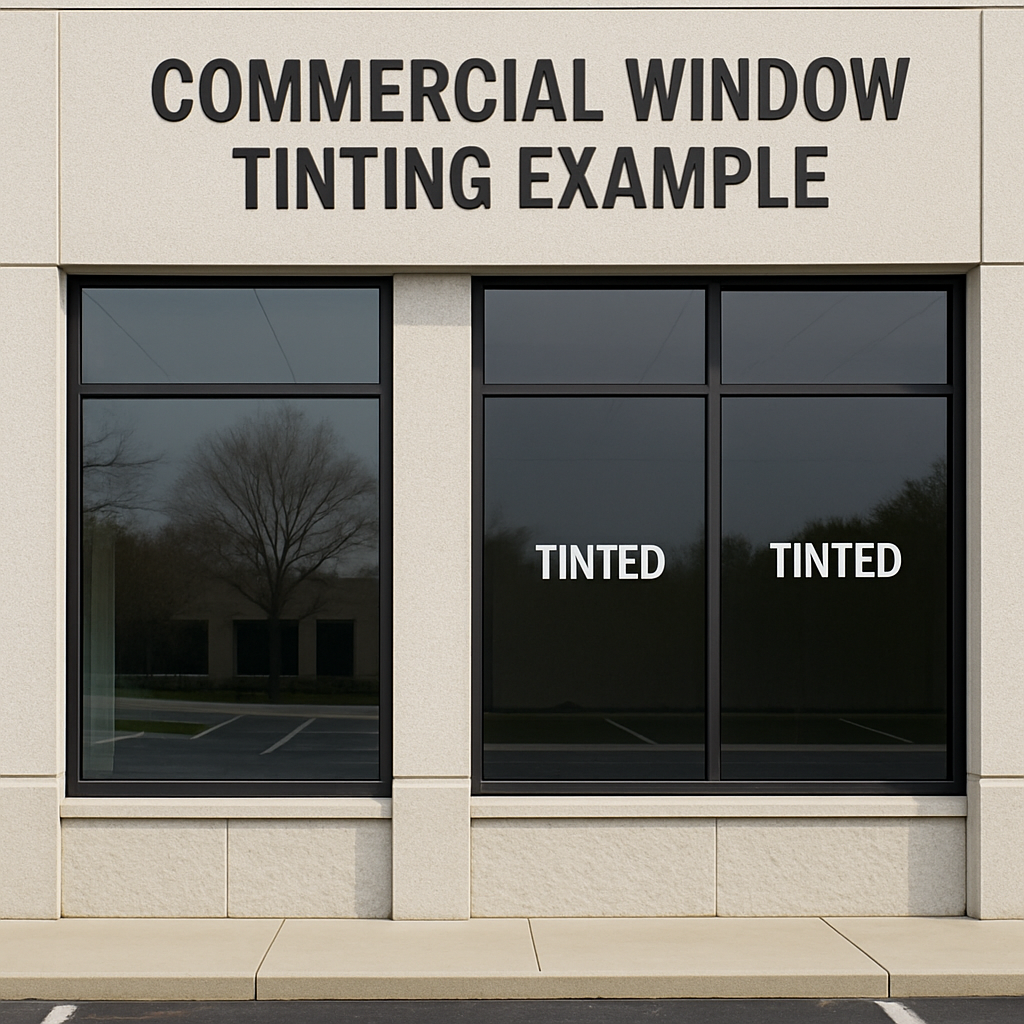
Commercial window tinting involves applying a thin film to the interior or exterior of glass surfaces in commercial spaces. These films come in various shades, colors, and functionalities, such as providing privacy, reducing glare, and enhancing security. The installation process is relatively straightforward and can significantly impact the aesthetics and efficiency of your space.
The Benefits of Window Film Installation
Energy Efficiency: One of the primary reasons businesses opt for window tinting is to improve energy efficiency. Tinted windows reduce heat gain during summer and heat loss during winter, leading to lower energy bills and a more comfortable environment year-round.
UV Protection: Commercial window films block up to 99% of harmful UV rays, protecting interior furnishings, flooring, and employees from potential UV damage. This prolongs the life of your office decor and creates a healthier workspace.
Enhanced Privacy: Privacy window tint is crucial for businesses that require confidentiality, such as law firms, medical offices, and financial institutions. It ensures that sensitive information remains out of sight from prying eyes while maintaining a professional appearance.
Improved Aesthetics: Tinted windows contribute to a sleek, modern look for any commercial building. They can complement the design of the building, enhancing its overall appearance while serving a functional purpose.
Glare Reduction: By minimizing glare from sunlight, window tinting creates a more comfortable working environment, reducing eye strain and improving productivity.
Expert Insights on Commercial Window Tinting
Industry Leaders Weigh In
Experts in the field of window film installation emphasize the importance of choosing the right type of film for specific needs. According to industry leader John Smith, “Selecting the appropriate film can significantly affect the outcomes. Whether it’s for privacy, energy savings, or aesthetics, understanding the client’s goals is essential.”
Jane Doe, a seasoned professional in commercial window solutions, adds, “It’s not just about picking a shade; it’s about ensuring the film’s quality and installation method align with the building’s architecture and the client’s vision.”
The Role of Professional Installation
Professional installation is crucial for maximizing the benefits of commercial window tinting. Expert installers have the skills and experience to ensure the film is applied without bubbles or creases, providing a flawless finish. They also understand how to handle different types of glass and frames, which can vary significantly across commercial properties.
Choosing the Right Commercial Window Tinting Service
Factors to Consider
When searching for “commercial window tinting near me,” it’s important to consider several factors to ensure you choose the right service provider:
Experience and Expertise: Look for companies with a proven track record in window film installations. Experienced professionals will have the knowledge to recommend the best solutions for your specific needs.
Range of Products: A reputable window tinting service should offer a wide range of films, allowing you to choose the best option for your business. Whether you need privacy window tint or energy-efficient films, having options is essential.
Customer Reviews: Online reviews and testimonials provide valuable insights into the reliability and quality of a service provider. Look for consistent positive feedback from past clients.
Warranty and Support: A good window tinting company will offer warranties on their products and services. This ensures that you have support in case of any issues after installation.
Customization Options: Every business has unique requirements. Choose a provider that can customize solutions to fit your specific needs, ensuring that the final result aligns with your vision.
Real-World Applications and Success Stories
by David Schultz (https://unsplash.com/@davidschultz)
Case Study: Eco-Friendly Office Building
Green Solutions, a well-known eco-friendly office building in downtown, opted for commercial window tinting to enhance their energy efficiency. By installing high-performance window films, they reduced their energy consumption by 20%, leading to significant savings on utility bills. Additionally, the building’s occupants reported increased comfort and reduced glare, improving overall productivity.
Case Study: Privacy for a Medical Facility
A medical facility in the city required privacy window tinting to ensure patient confidentiality. By choosing specialized privacy films, they achieved the necessary discretion without compromising on natural light. The result was a welcoming and secure environment for both patients and staff.
The Future of Commercial Window Tinting
As technology advances, the capabilities of window films continue to expand. From smart films that change opacity with the touch of a button to films that integrate solar energy harvesting, the future of commercial window tinting is bright. Businesses can look forward to even more innovative solutions that enhance their spaces while supporting sustainability and efficiency.
Conclusion
Commercial window tinting offers a multitude of benefits that go beyond aesthetics. From energy savings and UV protection to enhanced privacy and improved comfort, the advantages are clear. By choosing the right window film installation and working with experienced professionals, you can transform your commercial space into a more efficient and visually appealing environment. When searching for “commercial window tinting near me,” keep in mind the expert insights and considerations outlined above to make an informed decision that meets your business’s unique needs.
Window tinting is not just for cars anymore. Many homeowners are discovering the benefits of commercial window tinting for their residences. Whether you are looking to increase privacy, enhance energy efficiency, or simply add a touch of elegance to your home, commercial window tinting offers a versatile solution. As an expert in home improvement and window film installations, I am here to guide you through everything you need to know about this innovative solution.
Commercial window tinting involves applying a thin film to the interior or exterior of windows. This film can serve multiple purposes, from reducing glare and heat to increasing privacy and security. The technology behind window tinting has evolved significantly, making it a popular choice for homeowners looking to improve their living spaces without a massive investment.
Benefits of Commercial Window Tinting
Enhanced Privacy
Privacy is a significant concern for many homeowners. Commercial window tinting provides an excellent solution by allowing you to see outside while preventing others from seeing inside during the day. Privacy window tint options come in various shades and styles, ensuring you can find a look that complements your home’s aesthetic.
Improved Energy Efficiency
One of the standout benefits of window tinting is its ability to improve energy efficiency. Tinted windows can block a significant portion of solar heat, reducing the load on your air conditioning system. According to the U.S. Department of Energy, properly selected window films can significantly reduce heat gain and improve overall home efficiency. This can lead to noticeable savings on your energy bills, making it an eco-friendly choice that pays off in the long run.
UV Protection
The sun’s ultraviolet (UV) rays can be damaging to both your skin and your home’s interior. Prolonged exposure to UV rays can fade furniture, flooring, and artwork. Window tinting acts as a shield, blocking up to 99% of harmful UV rays and protecting your investments. The Environmental Protection Agency (EPA) also highlights the importance of minimizing UV exposure to reduce health risks and material damage.
Glare Reduction
Glare from the sun can be a nuisance, whether you’re watching TV, working on a computer, or simply trying to enjoy a meal. Window tinting reduces glare significantly, making your home more comfortable and your screens easier to see.
Aesthetic Appeal
Commercial window tinting can enhance the aesthetic appeal of your home. With various tints and patterns available, you can choose a style that adds sophistication and modernity to your space. Whether you prefer a reflective tint or a subtle, frosted look, there’s an option to suit every taste.
Types of Window Tinting Films
Dyed Window Film
Dyed window film is an economical option that provides excellent glare reduction and privacy. While it offers less heat reduction compared to other films, it is a great choice for those seeking an affordable solution.
Metalized Window Film
Metalized films contain tiny metallic particles that reflect heat and reduce glare. They are highly effective in improving energy efficiency and are more durable than dyed films. However, they may interfere with electronic signals, which is something to consider if you rely on wireless devices.
Ceramic Window Film
Ceramic window film is the premium choice for homeowners seeking top-notch performance. It offers superior heat reduction, UV protection, and clarity without interfering with electronic signals. Although it comes at a higher price point, the benefits it provides make it a worthwhile investment.
Hybrid Window Film
Hybrid films combine features of both dyed and metalized films, providing a balance between cost and performance. They offer good heat reduction and glare control without the potential electronic interference of metalized films.
The installation of commercial window tinting should always be performed by a professional to ensure the best results. The process involves cleaning the windows thoroughly, cutting the film to fit, and carefully applying it to avoid bubbles or creases. If you want a deeper understanding of how to properly install window film, working with experienced installers ensures durability and flawless results. Professional installers have the experience and tools needed to complete the job efficiently and effectively.
Maintenance and Care
Once your window tint is installed, maintaining it is simple. Regular cleaning with a soft cloth and non-abrasive cleaner will keep the film in excellent condition. Avoid using ammonia-based products, as they can damage the tint. With proper care, your window tint can last for many years, providing ongoing benefits and value.
Cost Considerations
The cost of commercial window tinting varies based on the type of film chosen, the size and number of windows, and the complexity of the installation. While premium films like ceramic options are more expensive, they offer the highest level of performance and longevity. It’s essential to consider both the upfront cost and the long-term savings on energy bills when making your decision.
Choosing the Right Tint for Your Home
When selecting window tinting for your home, consider your specific needs and preferences. Are you looking primarily for privacy, energy savings, or aesthetic enhancement? Discussing your goals with a professional installer can help you choose the right film that meets your requirements and complements your home’s design.
Conclusion
Commercial window tinting is a versatile and beneficial addition to any home. From enhancing privacy and aesthetics to improving energy efficiency and protecting against UV damage, the advantages are clear. By understanding the different types of films and their benefits, you can make an informed decision that enhances your living space. For homeowners seeking innovative and cost-effective solutions, commercial window tinting is an excellent choice that offers both immediate and long-term rewards.