Categories
Window Tinting and Film

Lifespan of Window Tinting How Many Years Does It Really Last

When it comes to enhancing your living space with both style and functionality, window tinting is a popular choice. However, a common question that both homeowners and interior designers frequently ask is: how long does window tinting really last? Understanding the lifespan of window tinting is crucial for making informed decisions that offer long-term benefits and ensure your investment is worthwhile.

Window tinting not only adds an aesthetic appeal to your home but also provides numerous functional advantages, such as improved energy efficiency and enhanced privacy. With the right type of film and proper installation, window tinting can transform your living space while also reducing energy costs and protecting your interiors from harmful UV rays. Therefore, knowing the factors that influence the longevity of window tinting can help in selecting the right type of film and ensuring it stands the test of time.

Window tinting involves applying a thin laminate film to the interior or exterior of glass surfaces in homes or buildings. This film offers numerous benefits, including reducing glare, enhancing privacy, and improving energy efficiency by blocking harmful UV rays. Additionally, window tinting can add a layer of safety by holding shattered glass together in case of breakage, minimizing the risk of injury.

The process of window tinting can vary based on the type of film used and the surface it is applied to. It requires precision and expertise, as the film must be carefully cut and adhered to the glass to avoid bubbles and ensure a smooth finish. This is why professional installation is often recommended to maximize the effectiveness and lifespan of the tinting.

Types of Window Tinting

The lifespan of window tinting largely depends on the type of film used. Here are some common types of window tinting films, each offering distinct advantages and considerations:

  • Dyed Films: These are the most affordable and offer good glare reduction. However, they are more prone to fading over time. Dyed films absorb solar heat and prevent some of it from entering your home, but they may lose their effectiveness as they fade.
  • Metalized Films: These contain tiny metallic particles that reflect heat and light. They are durable but can interfere with electronic signals. Metalized films provide a shiny appearance and are known for their strength and scratch resistance.
  • Ceramic Films: These offer excellent heat reduction and UV protection without affecting electronic devices. They are also the most durable option. Ceramic films do not fade over time and maintain their clarity, making them a long-lasting choice.
  • Hybrid Films: These combine dyed and metalized films for a balance of benefits and are moderately priced. Hybrid films aim to reduce the disadvantages of dyed and metalized films while enhancing their strengths, offering a versatile solution.

Factors Affecting the Lifespan of Window Tinting

Factors affecting window tint lifespan

The lifespan of window tinting can vary based on several factors. Understanding these factors can help you select the best film and ensure it lasts as long as possible. Here’s what you need to know:

Quality of Film

High-quality films are designed to last longer and perform better over time. Investing in premium films can enhance the longevity and effectiveness of your window tinting. Quality films are often manufactured to withstand harsh weather conditions and resist fading, ensuring they continue to provide benefits for years.

It’s important to consider the manufacturer’s warranty when selecting a film, as this can provide insight into the expected lifespan and quality of the product. Premium films may come with longer warranties, reflecting their durability and performance capabilities.

Installation Quality

Professional installation plays a crucial role in determining how long your window tinting will last. Poor installation can lead to bubbling, peeling, or premature wear. Expert installers have the skills and tools to apply the film correctly, ensuring it adheres smoothly and securely to the glass.

Proper installation also involves careful preparation of the glass surface to remove any dirt or debris that could affect adhesion. This attention to detail can prevent common issues such as air bubbles or edge peeling, which can compromise the tint’s appearance and functionality.

Climate and Sun Exposure

Regions with intense sunlight or extreme weather conditions can affect the durability of window tinting. Films exposed to constant, direct sunlight may degrade faster than those in shaded areas. High UV exposure can cause some films to fade or lose their effectiveness over time, particularly in hotter climates.

In areas with harsh winters, the expansion and contraction of glass due to temperature fluctuations can also impact the film’s integrity. Choosing a film designed to withstand your local climate conditions can help ensure a longer lifespan and consistent performance.

Maintenance Practices

Proper maintenance can significantly extend the lifespan of window tinting. Regular cleaning with non-abrasive solutions and avoiding sharp tools can prevent damage. Keeping the film clean helps maintain its appearance and performance by preventing dirt buildup or scratches.

Additionally, addressing any damage or wear promptly can prevent small issues from becoming larger problems that require costly replacements. Following manufacturer guidelines for cleaning and maintenance can help preserve the film’s quality and prolong its effectiveness.

Expected Lifespan of Window Tinting

The typical lifespan of window tinting ranges from 5 to 15 years, depending on the factors mentioned above. High-quality ceramic films installed by professionals in moderate climates can last up to 20 years. This longevity makes them a worthwhile investment for homeowners seeking long-term benefits.

Signs Your Window Tinting Needs Replacement

  • Fading or Discoloration: Over time, the tint may lose its color, reducing its effectiveness and aesthetic appeal. Faded film may allow more heat and UV rays to penetrate, diminishing its protective capabilities.
  • Bubbling or Peeling: This indicates poor installation or degradation of the adhesive. Bubbles or peeling can affect the film’s appearance and reduce its effectiveness in blocking heat and UV rays.
  • Reduced Heat or Glare Reduction: If you notice increased heat or glare, it might be time to replace your tinting. Decreased performance can result from film deterioration, impacting your comfort and energy efficiency.

Maximizing Window Tint Lifespan

Proper maintenance of window tint

by Garvit Nama (https://unsplash.com/@garvitnama)

To get the most out of your window tinting investment, consider these maintenance tips. Proper care and attention can help your tinting last longer and perform better throughout its lifespan.

Regular Cleaning

Clean your tinted windows with a soft cloth and mild soap solution. Avoid ammonia-based cleaners that can damage the film. Regular cleaning helps maintain the film’s clarity and ensures it continues to block heat and UV rays effectively.

By using gentle cleaning products, you can prevent scratches or other damage that might compromise the film. A clean, well-maintained tint not only looks better but also performs optimally, providing continuous benefits.

Inspect for Damage

Regularly inspect your window tinting for signs of wear and tear. Address any issues promptly to prevent further damage. Small scratches or areas of peeling can be repaired if caught early, avoiding more extensive damage.

By staying vigilant and addressing problems as they arise, you can extend the life of your window tinting and maintain its performance. Routine inspections help identify potential issues before they require expensive fixes or replacements.

Professional Maintenance

Schedule professional inspections and maintenance to ensure your window tinting remains in top condition. Professionals can provide expert assessments and recommendations for maintaining or improving your tint’s performance.

Regular professional maintenance can catch issues that might be overlooked during casual inspections, ensuring your tinting remains effective and attractive for years. This proactive approach can help maximize the return on your investment.

Benefits Beyond Longevity

While the lifespan of window tinting is important, its benefits extend far beyond just durability. Window tinting offers a range of advantages that enhance your home’s comfort, efficiency, and security.

Energy Efficiency

Tinted windows can reduce energy costs by keeping your home cooler in the summer and warmer in the winter. By blocking heat from entering or escaping, window tinting reduces the need for air conditioning and heating, leading to significant savings.

In addition to lowering energy bills, energy-efficient windows contribute to a more comfortable living environment. They help maintain consistent indoor temperatures, reducing reliance on HVAC systems and promoting sustainability.

Enhanced Privacy and Security

Window tinting enhances privacy by limiting the view from outside while also adding a layer of security by holding shattered glass together. This added security can deter intruders and protect occupants from injury in the event of breakage.

Privacy-enhancing films allow natural light to enter while preventing prying eyes from seeing into your home. This balance of light and privacy makes window tinting an attractive option for residential spaces.

Protection from UV Rays

Tinted windows block up to 99% of harmful UV rays, protecting your furniture, flooring, and skin from damage. UV protection helps prevent fading of interior furnishings and reduces the risk of skin damage from prolonged exposure.

By filtering out harmful rays, window tinting helps preserve the quality and appearance of your interior spaces. This protective feature is particularly valuable in sunny regions where UV exposure is high.

Choosing the Right Window Tint

When selecting window tinting, consider your specific needs, budget, and the environment where it will be installed. Consulting with a professional can help you choose the best option for long-lasting performance and satisfaction.

Professional Installation Matters

For the best results, always opt for professional installation. Experts can assess your needs, recommend the right type of film, and ensure flawless application. Professional installers have the experience and tools necessary to achieve a perfect fit and finish.

By working with professionals, you can ensure that your window tinting is installed correctly and efficiently, maximizing its performance and lifespan. A well-installed tint provides greater satisfaction and peace of mind, knowing your investment is protected.

Conclusion

Understanding the lifespan of window tinting helps you make informed decisions that enhance your home’s aesthetics and functionality. By choosing high-quality films, ensuring professional installation, and maintaining your tinting properly, you can enjoy the benefits of window tinting for many years to come.

Incorporate window tinting into your home improvement plans today and experience the blend of style, efficiency, and protection it provides. With the right approach, window tinting can be a lasting and valuable addition to your living space.

::contentReference[oaicite:0]{index=0}

Categories
Window Tinting and Film

Are Window Films Effective at Reducing Summer Heat Gain

When the summer sun blazes outside, keeping your home cool and comfortable becomes a top priority. The relentless heat can not only make living conditions uncomfortable but can also lead to increased energy usage as air conditioning units work overtime. One effective solution that is gaining popularity among homeowners and interior designers alike is the installation of window films. These films provide a way to manage the sun’s heat without blocking out the natural light that brightens and warms a home. But are window films truly effective at reducing summer heat gain? Let’s explore how these films work, their benefits, and why they might be the right choice for your home.

Solar window films are thin layers of polyester or similar materials that are applied to the interior surface of windows. These films are specifically designed to reflect or absorb a significant portion of the sun’s heat, reducing the amount of heat that enters a home. This technology not only helps in maintaining a cooler indoor environment during the sweltering summer months but also contributes to energy efficiency by lessening the need for air conditioning.

How Do Window Films Work?

Window films function by blocking solar energy before it enters your living space. They are engineered with special coatings that reflect infrared light, which is the component of sunlight that carries heat. This reflection significantly reduces heat gain inside the home, thereby lowering the need for air conditioning and, in turn, energy consumption. Additionally, some films are designed to absorb heat, further preventing it from penetrating your living spaces. By intercepting these rays at the glass level, window films effectively act as a barrier against heat, allowing you to enjoy natural light without the accompanying warmth.

Types of Window Films

There are various types of window films available on the market, each with its own set of benefits.

  1. Reflective Films: These are highly effective at heat reduction and provide a mirrored exterior appearance that enhances privacy. Reflective films are ideal for those who want to maintain privacy while also drastically cutting down on heat gain.
  2. Tinted Films: Available in different shades, tinted films reduce glare and heat while also adding a level of privacy. They allow you to tailor the appearance of your windows to match the aesthetic of your home, all while maintaining a cooler interior.
  3. Low-E Films: These films are designed to keep heat out in the summer and retain warmth in the winter, making them an all-season energy-saving solution. By balancing indoor temperatures across seasons, Low-E films offer year-round comfort and efficiency.

Benefits of Window Films

Diagram showing energy savings with window films installed

Window films offer a host of advantages, particularly when it comes to reducing summer heat gain. They are a versatile solution that addresses multiple concerns homeowners face in the warmer months.

Energy Savings

One of the most compelling reasons to install window films is the potential for energy savings. By minimizing the amount of solar heat that enters your home, window films reduce the reliance on air conditioning systems. This not only lowers your energy bills but also reduces your carbon footprint, making it an eco-friendly choice. In fact, the initial investment in window films can often be recouped over time through reduced energy costs, making them a financially savvy choice as well.

Improved Comfort

With window films, you can enjoy a more comfortable living environment. The reduction in heat gain means your home stays cooler, even during peak summer temperatures. This makes it easier to relax and enjoy your space without the constant need to adjust the thermostat. Moreover, the consistent indoor temperatures reduce the strain on your cooling systems, potentially extending their lifespan and reducing maintenance needs.

UV Protection

Solar window films also block up to 99% of harmful UV rays. This protection helps prevent fading of furniture, carpets, and artwork, preserving the beauty and longevity of your interiors. By safeguarding these items, window films help maintain the aesthetic value of your home while reducing the need for frequent replacements, which can be costly and time-consuming.

Enhanced Privacy and Security

Certain types of window films offer enhanced privacy by limiting the view into your home from the outside. Additionally, some films can hold glass together in the event of breakage, providing an extra layer of security. This means that in case of an attempted break-in or accidental impact, the risk of injury from shattered glass is minimized, offering peace of mind to homeowners.

Window Films and Interior Design

As an interior designer, you may be concerned about the aesthetic impact of window films on your projects. Fortunately, modern window films come in a variety of shades and finishes that can complement any design style. Whether you prefer a sleek, reflective look or a subtle, tinted appearance, there is a window film that will meet your aesthetic requirements.

Complementing Interior Design

Window films can be seamlessly integrated into your design plans. They offer a way to enhance the energy efficiency of a space without compromising on style. With options ranging from clear to reflective, you can choose a film that aligns with your client’s vision while providing the functional benefits of heat reduction. Additionally, window films can be used to enhance or diffuse natural light, creating specific moods or highlighting particular areas within a space. This versatility makes them a valuable tool in the interior designer’s toolkit.

Installation of Window Films

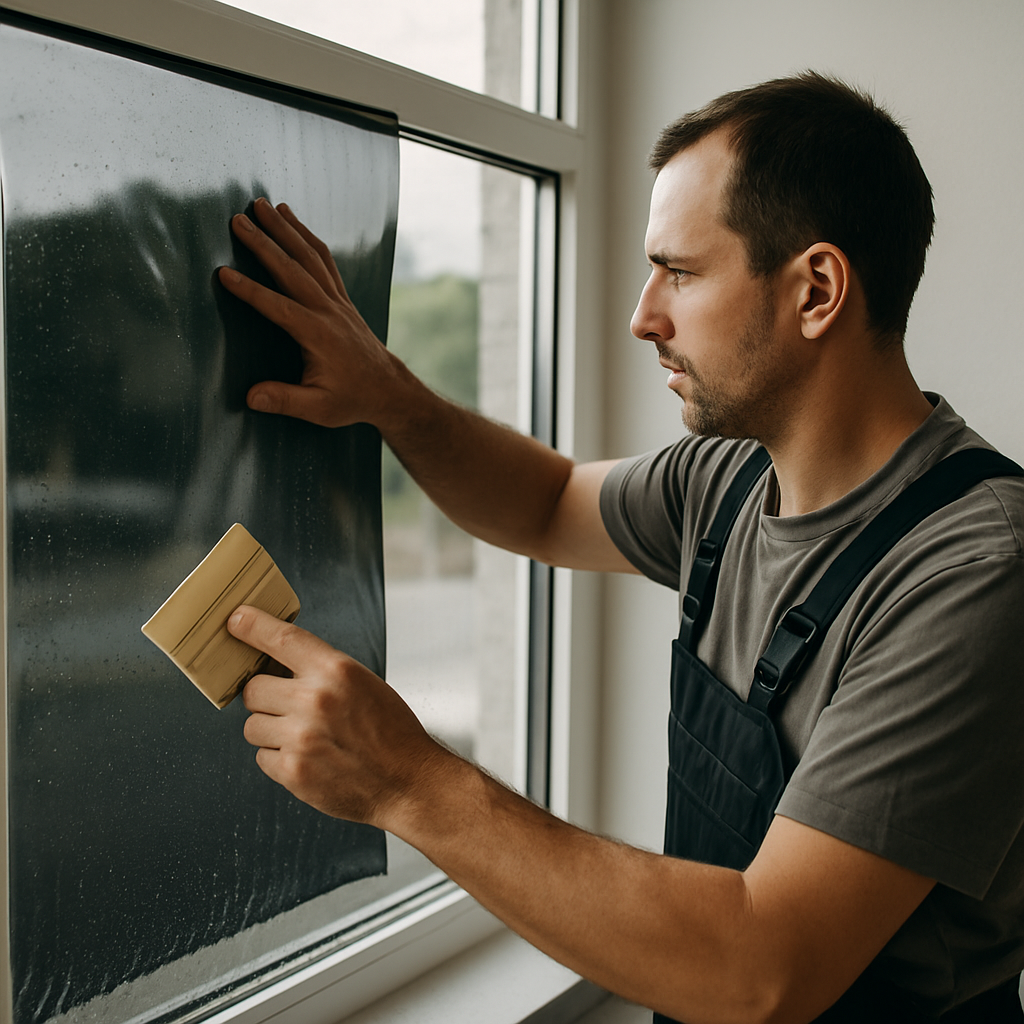
Professional applying window film to a residential window

by Timur Valiev (https://unsplash.com/@timur_valiev)

Proper installation is crucial to maximizing the effectiveness of window films. While some homeowners may attempt a DIY approach, professional installation is recommended to ensure optimal performance and longevity.

Professional Installation

Hiring a professional to install window films ensures that they are applied correctly and without bubbles or imperfections. Professionals have the expertise to recommend the best type of film for your specific needs and can guarantee a smooth, flawless finish. Additionally, many professional installations come with warranties that protect your investment. These warranties can cover both the film and the installation, providing peace of mind that if any issues arise, they will be addressed at no additional cost.

Are Window Films Right for You?

In conclusion, solar window films are an effective solution for reducing summer heat gain in homes. They offer numerous benefits, including energy savings, improved comfort, UV protection, and enhanced privacy. For interior designers, window films provide a stylish and practical option that complements design aesthetics while boosting energy efficiency.

If you’re looking for a cost-effective, eco-friendly way to keep your home cool and comfortable this summer, consider investing in window films. Whether you opt for a reflective, tinted, or low-E film, you’ll be taking a step toward a cooler, more energy-efficient home. Additionally, window films can enhance the value of your property by contributing to its overall energy efficiency rating, an attractive feature for prospective buyers.

By choosing the right window film and ensuring proper installation, you can enjoy a cooler home, lower energy bills, and a more sustainable lifestyle. In a world increasingly focused on sustainability, making this choice not only benefits your immediate environment but also contributes to broader environmental goals.

Categories
Window Tinting and Film

Save Money by Using Security Film For Windows

# Save Money by Using Security Film For Windows

In today’s fast-paced world, safety and cost-efficiency are top priorities for homeowners. One of the most effective ways to achieve both is by installing security film for windows. This innovative solution offers a multitude of benefits, from protecting your home to saving on energy costs. In this article, we’ll explore why security window film is a smart investment for any home.

What is Security Film for Windows?

Security film for windows is a thin, yet durable layer of polyester that is applied to the interior surface of glass windows. It is designed to hold glass fragments together in case of breakage, thereby reducing the risk of injury and enhancing the security of your home. According to the National Institute of Standards and Technology (NIST), protective glazing systems can significantly improve the performance of glass under impact conditions.

How Does It Work?

The film is adhered to the glass with a special adhesive that creates a strong bond. When the glass is shattered, the film holds the pieces in place, preventing them from scattering and causing harm. This characteristic makes it an invaluable addition to any home security strategy.

Close-up of window with security film

Benefits of Security Window Film

Security window film offers more than just protection from break-ins. Here are several compelling reasons to consider installing it in your home:

Enhances Home Security

One of the primary reasons homeowners opt for security window film is its ability to deter potential intruders. The film makes it more difficult to break the glass, slowing down burglars and increasing the chance of them being caught before gaining entry. According to the Cybersecurity & Infrastructure Security Agency (CISA), strengthening physical barriers like windows is a key component of improving residential security.

Reduces Energy Costs

Security film can also contribute to lower energy bills. It acts as an insulator, reducing heat transfer through the glass. This means your home stays cooler in the summer and warmer in the winter, lessening the reliance on heating and cooling systems and saving you money on energy costs. The U.S. Department of Energy highlights window films as an effective solution for improving energy efficiency in homes.

Protects Against UV Rays

The film blocks up to 99% of harmful UV rays, which can cause fading and damage to your furniture, flooring, and artwork. By protecting these interior elements, security film helps maintain the aesthetic appeal and longevity of your home’s interiors. The Skin Cancer Foundation also emphasizes the importance of UV protection through window treatments to reduce indoor UV exposure. Additionally, the Environmental Protection Agency (EPA) provides guidance on reducing UV exposure indoors and protecting health.

Increases Privacy

Certain types of security window film provide enhanced privacy by making it difficult for outsiders to see into your home. This added privacy is especially beneficial for windows facing streets or neighbors.

Types of Security Film

There are various types of security film to suit different needs and preferences:

Clear Security Film

Clear security film is the most common type, offering all the protective benefits without altering the appearance of your windows. It’s an ideal choice for those who want security without compromising the look of their home.

Tinted Security Film

Tinted films not only provide security but also reduce glare and add a touch of style to your windows. They come in various shades, allowing you to customize the appearance of your windows while enjoying increased privacy and energy savings.

Decorative Security Film

For homeowners who want to add a decorative element to their windows, decorative security film is the perfect solution. Available in a range of patterns and designs, it combines aesthetics with functionality, enhancing both security and style.

Decorative window film pattern

by Laurence Ziegler (https://unsplash.com/@laurenceziegler)

Installation Process

Installing security film for windows is a straightforward process, but it requires precision to ensure maximum effectiveness. Here’s a brief overview of how it’s done:

Step 1: Measure and Cut

The first step is to measure the windows and cut the film to size. Accurate measurements are crucial to ensure the film fits perfectly without gaps or overlaps.

Step 2: Clean the Glass

The glass must be thoroughly cleaned to remove dust, dirt, and grease. A clean surface is essential for the film to adhere properly.

Step 3: Apply the Film

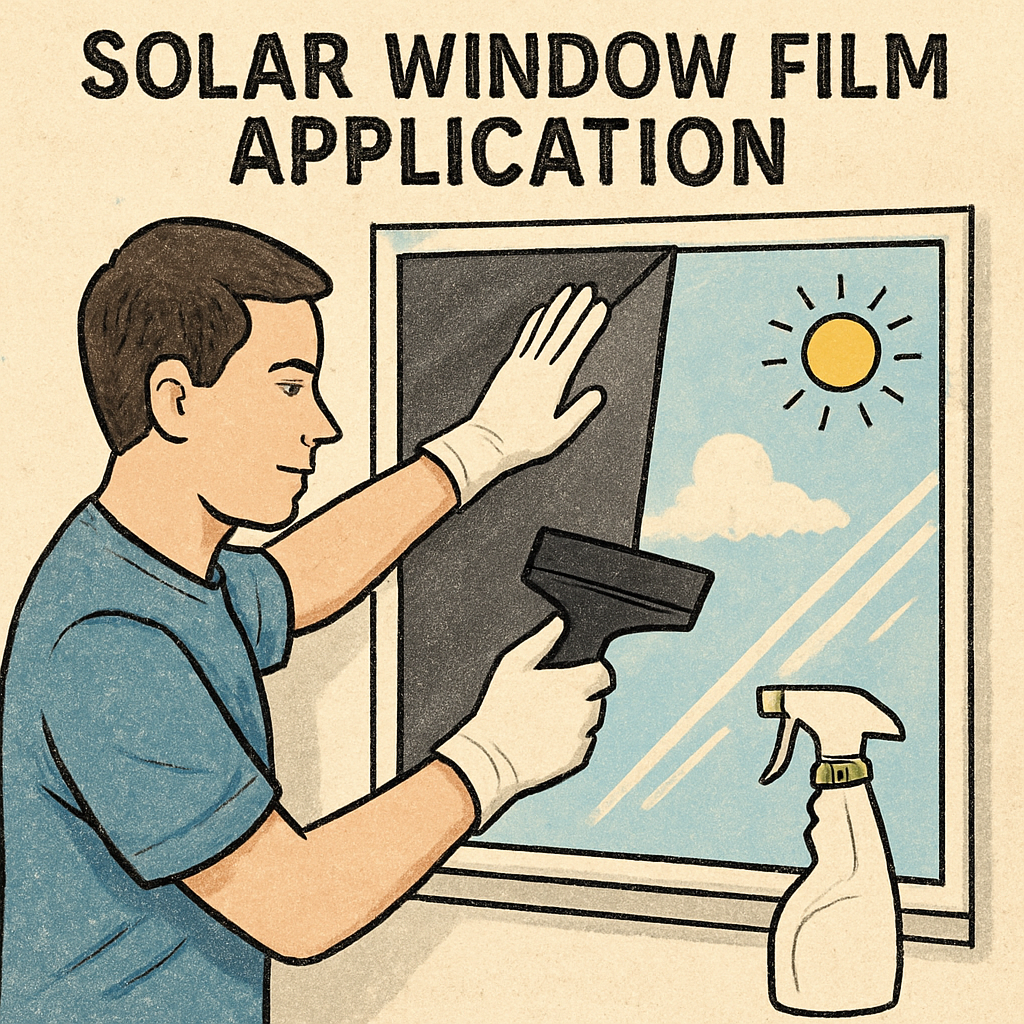
The film is applied to the window using a wet adhesive method. A spray bottle filled with a mixture of water and a small amount of soap helps position the film and remove air bubbles.

Step 4: Smooth Out Bubbles

A squeegee is used to smooth out any bubbles and ensure the film is securely adhered to the glass. This step is crucial for achieving a professional finish.

Step 5: Trim Excess Film

Finally, any excess film is trimmed away to create a neat, finished appearance.

Cost-Effectiveness and ROI

While the initial investment in security window film may seem significant, the long-term savings and benefits far outweigh the cost. By reducing energy bills, protecting interiors, and enhancing security, the film provides a return on investment that contributes to overall home value and peace of mind.

Conclusion

Security film for windows is a versatile and cost-effective solution for enhancing the safety, efficiency, and aesthetics of your home. Whether you’re an interior designer seeking stylish, eco-friendly options for clients, or a homeowner looking to improve security and reduce expenses, security window film is a smart choice. Consider installing it today to enjoy the many benefits it offers.

By choosing quality security film and professional installation, you can ensure your home is better protected and more energy-efficient for years to come.

Categories
Window Tinting and Film

How UV Blocking Window Films Protect Your Family and Furniture

In today’s world, creating a home environment that exudes comfort and safety is a top priority for families. The pursuit of a safe haven often involves various safety measures, yet one critical aspect frequently goes unnoticed: the infiltration of ultraviolet (UV) rays through windows. UV rays, while invisible, pose a silent threat not only to our skin but also to our cherished home furnishings. Over time, they can lead to significant damage, necessitating costly replacements. Fortunately, UV-blocking window films offer an effective solution to this overlooked problem. By installing these films, homeowners can protect their families and significantly extend the lifespan of their furniture, making it a wise investment for long-term home care.

UV blocking window films consist of thin, durable layers of material that adhere to the interior surfaces of glass windows. They are engineered to filter out harmful UV radiation, significantly reducing the amount that penetrates through the glass. This not only provides a protective barrier for your family’s health but also shields the interior of your home from damage. According to the U.S. Environmental Protection Agency (EPA), prolonged UV exposure can lead to serious health risks, reinforcing the importance of effective indoor UV protection. Additional public health guidance from the U.S. Food & Drug Administration (FDA) explains how cumulative UV exposure increases long-term skin risks. By acting as a protective shield, these films ensure that your living space remains a sanctuary free from the detrimental effects of UV exposure.

UV window films function by allowing visible light to pass through while effectively filtering out harmful UV rays. Constructed from robust materials like polyester, these films are coated with specialized UV-absorbing substances. This coating is pivotal as it enables the film to block up to 99% of harmful UV rays, offering a formidable layer of protection against potential damage. Research from the American Cancer Society highlights how reducing UV exposure significantly lowers long-term skin health risks. Additional guidance from the Skin Cancer Foundation further emphasizes the importance of limiting UV exposure indoors. Global UV exposure awareness is also supported by the World Health Organization (WHO), which provides educational resources on UV radiation risks. When properly applied to windows, these films not only preserve the health of your household but also maintain the aesthetic integrity of your home’s interior by preventing fading and deterioration.

The primary motivation for installing UV blocking window films is family safety. Continuous exposure to UV rays poses significant health risks, including skin damage and an increased likelihood of skin cancer. UV blocking films mitigate these risks by drastically reducing indoor UV exposure, creating a safer living environment. This is especially crucial for homes with children and elderly residents, who may be more vulnerable to UV-related health issues. By investing in these films, you take a proactive step towards safeguarding your family’s well-being.

UV rays are notorious for causing fading and degradation of household items such as furniture, carpets, and artwork. Over time, this exposure can lead to unsightly wear and tear, diminishing the value and appeal of these items. UV window films serve as a protective barrier, preserving the vibrant colors and structural integrity of your home furnishings. This not only saves money on potential replacements and repairs but also ensures that your home maintains its aesthetic appeal over time, providing peace of mind and financial savings.

Beyond UV protection, window films contribute to improved energy efficiency by regulating heat transfer. During hot summer months, they help reduce heat gain, lowering cooling costs and enhancing overall comfort. This reduction in energy consumption is not only beneficial for your wallet but also for the environment, as it contributes to a smaller carbon footprint. The U.S. Department of Energy notes that energy-efficient window solutions can significantly reduce cooling loads in residential buildings. For interior designers, UV blocking films present a perfect blend of style and sustainability, offering clients eco-friendly solutions without compromising on design aesthetics. To further learn more about window films and their broader benefits, understanding the fundamentals can help homeowners make more informed decisions.

Opting for professional installation of window films ensures optimal results and longevity. The process, while straightforward, requires precision to achieve the best outcome. Here’s a detailed look at what to expect during a typical window film installation:

Categories
Window Tinting and Film

Safe and Easy Ways to Remove Old Window Tint Film

Understanding how to effectively remove window tint is critical, especially if you’re considering a DIY approach. Many homeowners are intimidated by the prospect of removing window tint, fearing damage to the glass or a long, tedious process. However, with careful preparation and execution, you can achieve professional results. By learning the proper methods, you can save money on professional removal services and gain the satisfaction of completing a home improvement project on your own.

Window tint film is a thin laminate that is applied to the interior or exterior of glass surfaces. It’s used for various reasons, including reducing heat, glare, and UV radiation, as well as improving privacy and security. Over time, however, window tint can fade, bubble, or peel, making it less effective and less attractive. This degradation can be accelerated by factors such as prolonged exposure to sunlight, temperature fluctuations, and poor installation techniques. As the tint deteriorates, it can become a visual distraction and a source of frustration.

Understanding the composition of window tint is important when considering its removal. The film typically consists of several layers, each serving a specific purpose, such as blocking UV rays or providing additional strength to the glass. Knowing this can help you anticipate the challenges you might face during removal. For instance, older films may have more stubborn adhesives that require extra effort to remove. By understanding these elements, you can better prepare for the task at hand.

Why Remove Old Window Tint?

Old window tint can detract from the appearance of your home and hinder the performance of your windows. Here are a few reasons why you might want to remove it:

  • Improved Appearance: Removing old, bubbled, or faded tint can significantly enhance the look of your windows. Clear, untinted windows can give your home a cleaner and more modern appearance. Additionally, removing damaged tint allows for more natural light to enter, brightening your interiors and creating a more inviting atmosphere.
  • Better Energy Efficiency: Newer window tints often offer better UV protection and insulation properties. By removing old tint and replacing it with modern alternatives, you can reduce your energy bills by improving your home’s ability to regulate indoor temperatures. This upgrade can contribute to a more sustainable lifestyle by minimizing your carbon footprint.
  • Enhanced Visibility: Over time, tint can become cloudy, obstructing your view and reducing natural light. Clear windows allow for unobstructed views of the outdoors, which can enhance your mood and overall well-being. This clarity can also improve safety by providing a better view of your surroundings, whether you’re at home or on the road.

Preparing for Window Tint Removal

Before you start the removal process, it’s important to gather the necessary tools and prepare your workspace. Proper preparation ensures that the removal process goes smoothly and reduces the risk of damage to your windows or surrounding areas.

Tools You Will Need

To remove window tint film safely and effectively, you’ll need the following items:

  • A utility knife or razor blade: This tool will help you lift the edges of the tint, making it easier to peel away. Ensure the blade is sharp to avoid scratching the glass.
  • Soapy water in a spray bottle: A simple mixture of soap and water acts as a lubricant, making it easier to remove the adhesive residue. It also helps to keep the glass clean during the process.
  • A hairdryer or heat gun: Heat is crucial in softening the adhesive, facilitating easier tint removal. A hairdryer is ideal for small projects, while a heat gun can be more effective for larger or more stubborn jobs.
  • A plastic scraper: This tool is essential for removing residual adhesive without scratching the glass. Opt for a scraper with a comfortable grip to prevent hand fatigue during use.
  • Clean, dry towels: These are necessary for wiping down the windows after removing the tint and adhesive.
  • Window cleaner: After removing the tint and adhesive, a good window cleaner will ensure your glass is left spotless and streak-free.

Safety Precautions

Safety goggles and gloves

While removing window tint is generally safe, there are a few precautions to keep in mind to protect yourself and your surroundings:

  • Wear Safety Goggles: Protect your eyes from any flying debris that might occur when peeling or scraping the tint. This is especially important if you’re using a razor blade or utility knife, as small particles or adhesive pieces can become airborne.
  • Use Gloves: This will prevent cuts from sharp tools and protect your hands from adhesive chemicals. Gloves can also provide a better grip on tools, reducing the likelihood of accidents.
  • Ensure Proper Ventilation: If you’re working with any chemicals, make sure the area is well-ventilated. Open windows and doors, or use fans to disperse fumes, ensuring you don’t inhale any potentially harmful substances.

Step-by-Step Guide to Removing Window Tint

Now that you’re prepared, let’s walk through the steps to remove old window tint film. Following these steps carefully will help you achieve the best results.

Step 1: Soften the Adhesive

The first step in removing window tint is to soften the adhesive that holds the tint film in place. You can do this by applying heat.

  • Use a Hairdryer or Heat Gun: Hold it about 2-4 inches away from the tint and move it back and forth to evenly heat the film. This will soften the adhesive, making it easier to peel off. Ensure you don’t overheat any single spot to avoid damaging the glass or the surrounding frame.

Applying heat evenly ensures that the adhesive loosens uniformly, reducing the risk of tearing the tint during removal. If using a heat gun, start on a lower setting to avoid overheating and gradually increase the temperature as needed. The goal is to warm the adhesive just enough to make it pliable without causing damage to the glass or the tint.

Step 2: Start Peeling the Tint

Once the adhesive is warm, you can begin to peel the tint off. This step requires patience and a gentle touch to avoid tearing the tint or scratching the glass.

  • Lift a Corner: Use your utility knife or razor blade to lift a corner of the tint film gently. Once you have a good grip, you can begin the peeling process. Be careful not to gouge the glass with the blade.
  • Slowly Peel the Tint: Pull the film away from the glass slowly to avoid tearing. If the tint resists, apply more heat. A steady, gentle pull is often more effective than a quick yank, which can result in the film tearing into smaller, harder-to-manage pieces.

Peeling the tint slowly allows you to monitor the glass for any signs of damage and adjust your technique as needed. If the tint begins to tear or leave behind large amounts of adhesive, pause and reapply heat to loosen the remaining sections.

Step 3: Remove Any Remaining Adhesive

After the film is removed, there will likely be adhesive residue left on the glass. Removing this residue is crucial for achieving a clear, streak-free finish.

  • Spray Soapy Water: Liberally spray the soapy water onto the adhesive. This will help break down the adhesive, making it easier to scrape off. The soap acts as a lubricant, reducing friction and the risk of scratching the glass.
  • Scrape the Adhesive: Use a plastic scraper to gently remove the adhesive. Be careful not to scratch the glass. Working in small sections can make the task more manageable and ensure all residue is thoroughly removed.

Repeated applications of soapy water may be necessary for stubborn adhesive. Take your time and ensure all residue is cleared, as any leftover adhesive can interfere with new tint application or cleaning.

Step 4: Clean the Glass

Once all the adhesive is removed, it’s important to clean the glass thoroughly to ensure a pristine finish.

  • Spray Window Cleaner: Apply window cleaner to the glass. This will help remove any remaining soap or adhesive residue and leave the glass sparkling clean.
  • Wipe with a Towel: Use a clean towel to wipe the glass, ensuring it’s clear and streak-free. A microfiber cloth is ideal for this step as it minimizes streaks and lint left on the glass.

A thorough cleaning is essential for both aesthetic and practical reasons. Not only does it enhance the appearance of your windows, but it also prepares the surface for any future treatments or tint applications.

Alternative Methods for Tint Removal

For those who prefer not to use heat, there are other methods you can try. These alternatives can be just as effective and may better suit your preferences or the specific conditions of your project.

Ammonia and Sun Method

This method uses ammonia to break down the adhesive:

  1. Spray Ammonia: Apply ammonia to the window tint and cover with a plastic trash bag to trap the fumes. This creates a mini greenhouse effect, allowing the ammonia to penetrate and soften the adhesive effectively.
  2. Leave in the Sun: Allow the window to sit in the sun for a few hours. The ammonia will soften the adhesive. The sun’s heat enhances the chemical reaction, making the adhesive easier to remove.
  3. Peel and Clean: Follow the same peeling and cleaning process as above. This method may require multiple applications, especially for thicker or older tints.

The ammonia and sun method is particularly useful in warm climates where sunlight is abundant. It provides a chemical-free alternative to heat guns, reducing the risk of damage to the window’s surface.

Steam Method

A steam cleaner can also be effective:

  1. Steam the Tint: Use the steam cleaner to apply steam to the tint, loosening the adhesive. Steam penetrates the layers of tint and adhesive, making them easier to separate from the glass.
  2. Peel the Tint: Once softened, peel the tint away. The steam method is gentle on the glass and can be more comfortable to use for extended periods.
  3. Clean the Glass: Remove any remaining adhesive and clean the glass. This method is often less messy than others and can be easier on sensitive skin or respiratory systems.

Using steam is a great option for those who want to avoid chemical exposure. It provides a consistent level of heat that can be controlled easily, making it an appealing choice for many DIY enthusiasts.

Tips for Success

Achieving a clean, professional result when removing window tint requires patience and attention to detail. Here are some additional tips to help you succeed:

  • Test First: Before starting, test your method on a small area to ensure it won’t damage the glass. This is especially important if you’re using heat or chemicals, as some glass types may react differently.
  • Be Patient: Removing tint can be time-consuming, especially if it’s old or stubborn. Rushing the process can lead to mistakes and potential damage, so take your time and proceed methodically.
  • Seek Professional Help: If you’re unsure or uncomfortable doing it yourself, consider hiring a professional. They have the experience and tools to remove tint quickly and safely, ensuring the best possible outcome.

A successful tint removal project can enhance your home’s appearance and functionality. By following these tips and techniques, you can achieve the desired results with minimal hassle and cost.

Conclusion

Clean window with a view

by Joel Filipe (https://unsplash.com/@joelfilip)

Removing old window tint film can breathe new life into your windows, improve energy efficiency, and enhance your home’s appearance. By following these safe and easy methods, you can achieve professional results without the cost. Remember, patience and the right tools are key to a successful DIY tint removal project. If you encounter any issues, don’t hesitate to consult with a window tint professional to ensure the best outcome for your home.

With your windows refreshed, you’ll enjoy clearer views and a more comfortable living environment. Whether you’re an interior designer looking to enhance your client’s spaces or a homeowner seeking DIY solutions, these tips will guide you to success. By investing time and effort into maintaining your windows, you not only enhance your home’s aesthetic appeal but also contribute to its overall value and efficiency.

::contentReference[oaicite:0]{index=0}

Categories
Window Tinting and Film

Avoid Common Pitfalls with Bathroom Window Tint

When it comes to upgrading your bathroom, window tinting might not be the first thing that comes to mind. However, bathroom window tint can offer privacy, energy efficiency, and even style. But like any home improvement project, it’s important to avoid common pitfalls to ensure you get the best results. This guide will help you navigate the world of bathroom window tinting, spotlighting the key issues to look out for and how to avoid them.

Bathroom window tint is a specialized film applied to the glass to achieve various benefits like privacy, UV protection, and energy savings. It comes in different styles, from frosted and mirrored to colored and decorative, allowing you to tailor the look to your home’s aesthetic. If you’re new to the topic, this introduction to window films can help you understand the fundamentals before choosing the right option.

Why Consider Bathroom Window Tint?

Before diving into potential pitfalls, let’s explore why bathroom window tint might be a worthwhile investment:

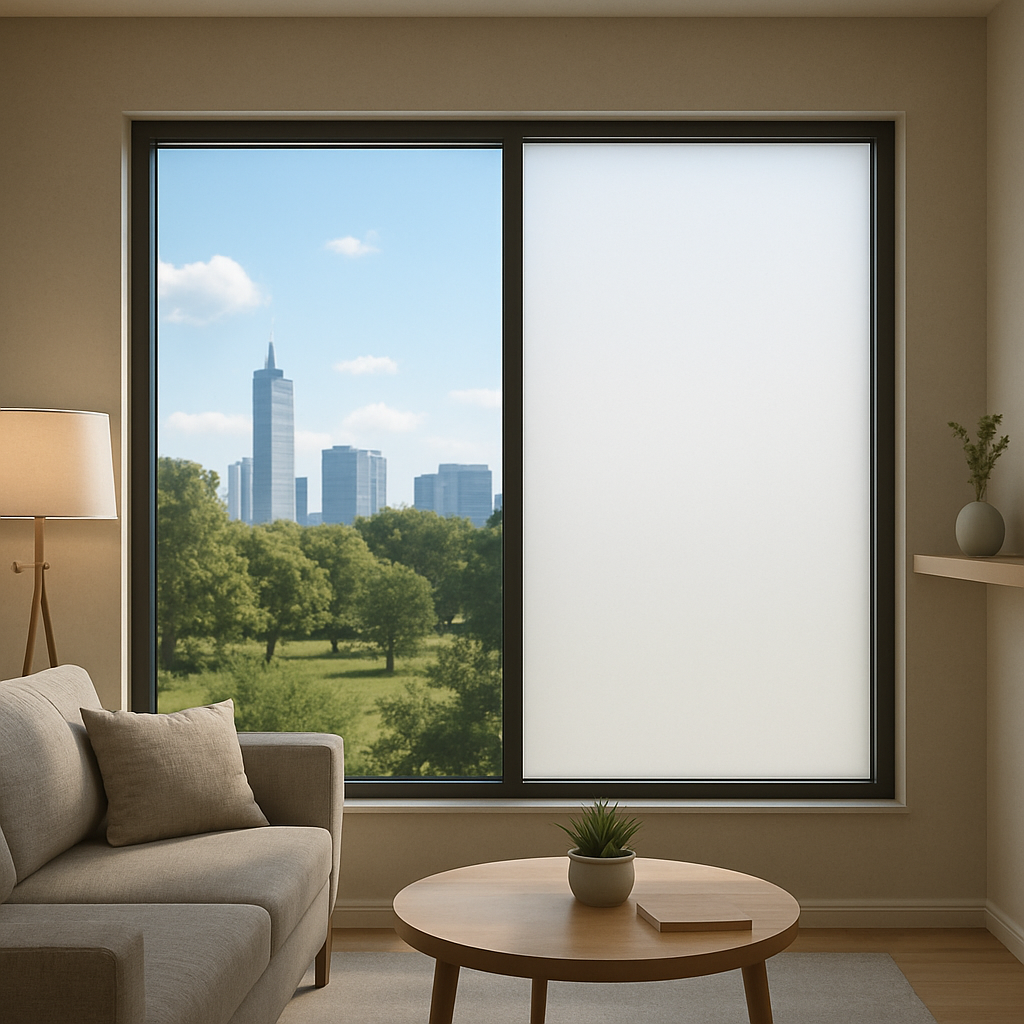
  • Privacy: One of the primary reasons homeowners opt for window tint is to enhance privacy without sacrificing natural light. You can achieve privacy with window films while still maintaining brightness.
  • UV Protection: Window tint blocks harmful ultraviolet rays, protecting your skin and preventing fading of your bathroom interiors. According to the U.S. Environmental Protection Agency (EPA), limiting UV exposure is essential for skin protection and material preservation. The World Health Organization (WHO) also emphasizes the importance of UV protection in reducing long-term health risks.
  • Energy Efficiency: Tinted windows can help regulate indoor temperatures, reducing the need for heating and cooling. The U.S. Department of Energy highlights window improvements as a key strategy for improving home energy performance.
  • Aesthetic Appeal: With various designs available, window tint can add a touch of elegance and modernity to your bathroom.

Common Pitfalls and How to Avoid Them

Common mistakes in window tint application

Despite its benefits, improper installation or poor-quality tint can lead to issues. Here’s how to dodge these common pitfalls:

Choosing the Wrong Type of Tint

Not all window tints are created equal. Selecting the wrong type can lead to reduced effectiveness and aesthetic appeal.

Solution: Assess your needs before selecting a tint. If privacy is your main concern, opt for frosted or mirrored tints. For energy efficiency, choose a reflective or dual-reflective film. Consult with a window film expert to find the best fit for your requirements.

Poor Quality Film

Low-quality films may peel, bubble, or discolor over time, compromising both appearance and performance.

Solution: Invest in high-quality window film from reputable manufacturers. Quality films are more durable, provide better UV protection, and maintain their appearance longer.

DIY Installation Errors

While a DIY approach may save money upfront, improper installation can lead to bubbles, streaks, and peeling.

Solution: Consider hiring a professional window tint installer. Their experience ensures proper application, saving you time and potential headaches down the line.

Neglecting Maintenance

Even the best window film needs occasional care to maintain its look and effectiveness.

Solution: Clean tinted windows with a soft cloth and mild, non-abrasive cleaner. Avoid harsh chemicals and rough materials that could damage the tint.

Maximizing the Benefits of Bathroom Window Tint

For those in interior design, bathroom window tinting offers clients both functional and aesthetic benefits. Here’s how you can maximize these advantages:

Enhance Aesthetics

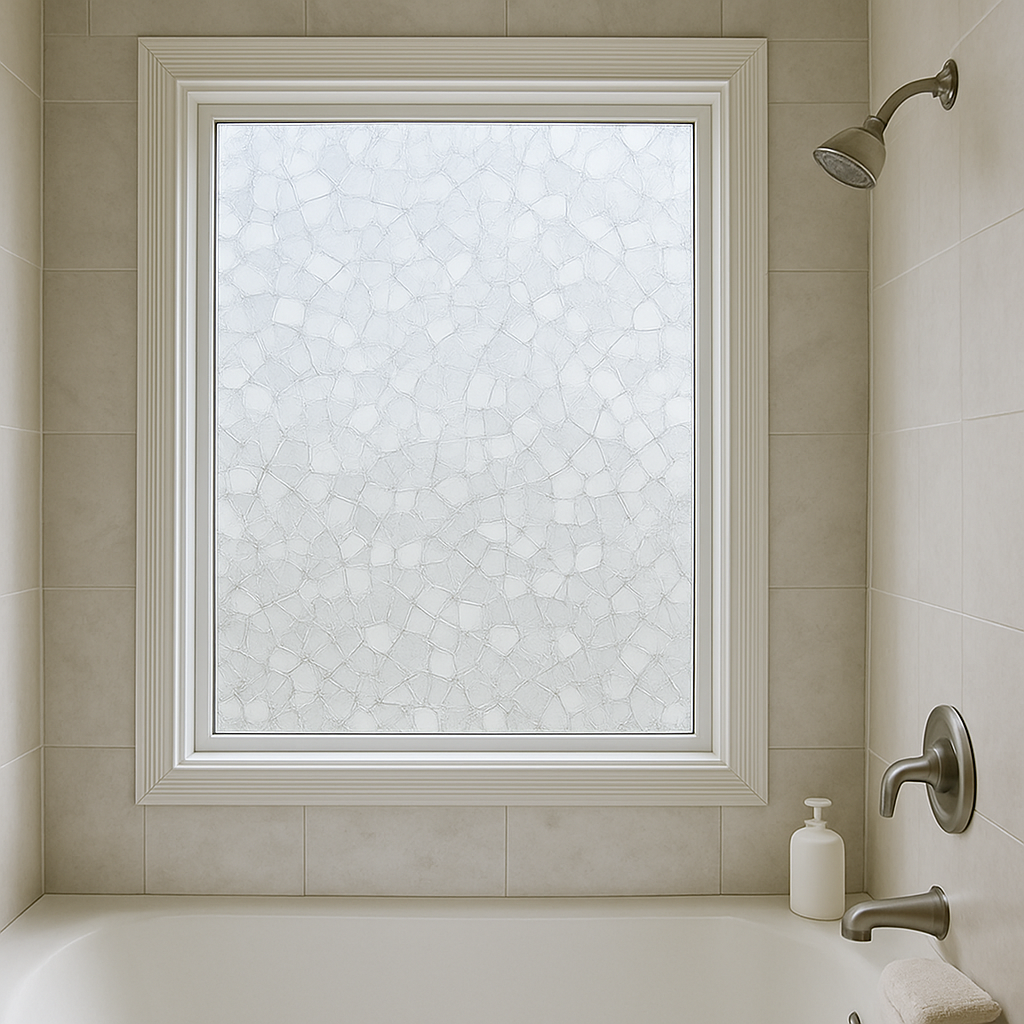
Tinted windows can complement any bathroom design, from modern to traditional. Decorative films can mimic the look of etched glass or stained glass, adding a unique touch to your design.

Improve Comfort

Tinted windows help maintain a stable indoor temperature, making bathrooms more comfortable for your clients. It can also reduce glare, enhancing the overall experience of the space.

Eco-Friendly Option

By reducing the need for artificial lighting and heating, window tints are an eco-friendly choice. They contribute to energy savings, aligning with the growing demand for sustainable home solutions.

Increase Home Value

Quality window tinting can enhance a home’s value by improving its energy efficiency and aesthetic appeal. This can be a significant selling point for potential buyers.

Case Study: Successful Bathroom Window Tint Application

Stylish bathroom with tinted windows

by Voicu Apostol (Unsplash Profile)

Consider a recent project where a homeowner sought to improve privacy and energy efficiency in a newly renovated bathroom. The solution was a frosted window tint that offered privacy without blocking natural light. The homeowner reported a noticeable decrease in heating costs and appreciated the added privacy.

This case highlights the importance of selecting the right film and professional installation to achieve desired results. It also illustrates how window tinting can be a valuable addition to any bathroom renovation project.

Conclusion

Bathroom window tinting is more than just an aesthetic upgrade; it’s a functional improvement that offers privacy, energy efficiency, and style. By avoiding common pitfalls such as choosing the wrong type of tint or poor installation, you can ensure a successful and satisfying outcome.

Whether you’re an interior designer or a homeowner looking to enhance your living space, window tinting is a versatile solution that can meet various needs. With the right approach, it can be a cost-effective and stylish addition to any bathroom. Embrace the potential of bathroom window tint and transform your space into a private oasis of comfort and style.