Categories
Window Tinting and Film

Facts About Frosted Glass Window Film

Frosted glass window film is an elegant and practical solution for adding privacy and style to your home or office. This versatile product can transform the appearance of plain glass windows while providing a host of benefits. Whether you’re an interior designer seeking to enhance a space or a homeowner looking to increase privacy, frosted glass window film offers a cost-effective and stylish solution.

In this comprehensive guide, we’ll explore the various aspects of frosted glass window film, including its benefits, installation process, and design options. We’ll also discuss how this innovative product can meet your specific needs and enhance your living or working environment.

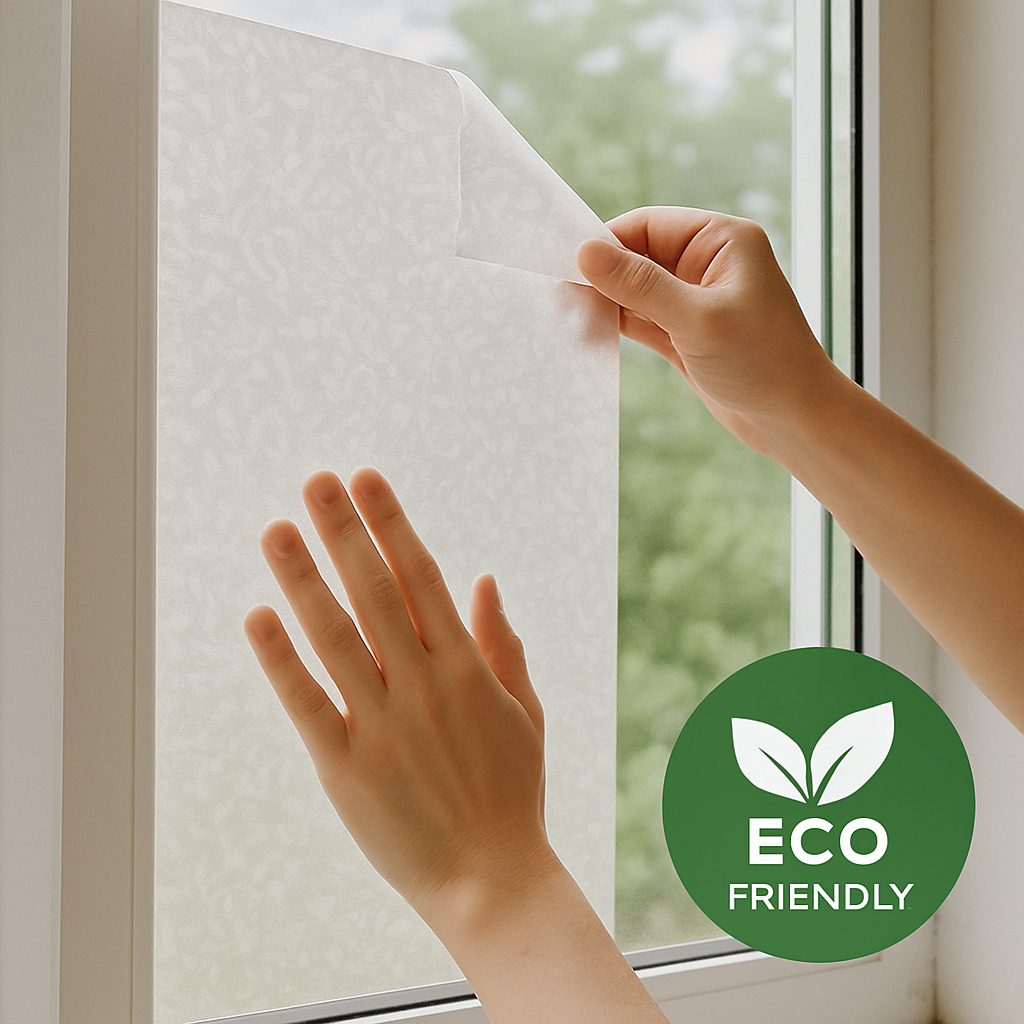
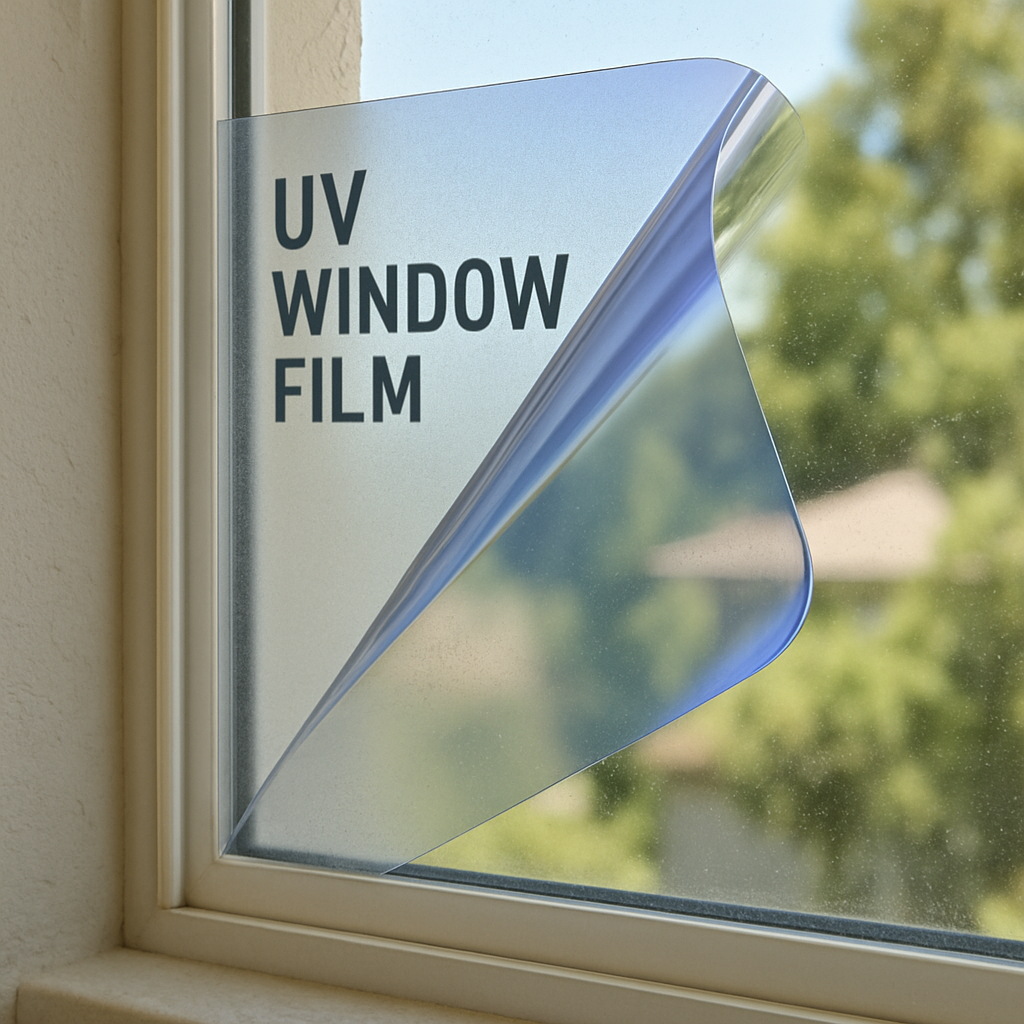
Frosted glass window film is a thin, adhesive layer applied to glass surfaces. It mimics the appearance of frosted or etched glass, providing a translucent look that allows light to pass through while obscuring visibility. This makes it an ideal choice for areas where privacy is desired without sacrificing natural light.

Key Benefits of Frosted Glass Window Film

Frosted glass window film offers a range of benefits that make it a popular choice for both residential and commercial spaces. Here are some of the key advantages:

  1. Enhanced Privacy: One of the primary reasons people choose frosted glass window film is for privacy. It effectively blocks the view from outside while still allowing natural light to filter through, creating a bright and inviting space.
  2. Aesthetic Appeal: With a variety of patterns and designs available, frosted glass window film can enhance the visual appeal of any room. Whether you prefer a modern geometric pattern or a classic frosted look, there’s a design to suit every taste.
  3. Cost-Effective: Compared to replacing existing windows with frosted glass, window film is a cost-effective alternative. It provides the same visual effect at a fraction of the cost, making it an attractive option for budget-conscious homeowners and designers.
  4. Easy Installation: Frosted glass window film is relatively easy to install, and many people choose to do it themselves. However, professional installation is recommended for larger or more complex projects to ensure a flawless finish.
  5. UV Protection: In addition to providing privacy, frosted glass window film also offers UV protection. It can block harmful UV rays, which helps protect your furnishings and flooring from fading over time. According to the U.S. Environmental Protection Agency (EPA), prolonged UV exposure can cause significant material degradation and health risks.
  6. Energy Efficiency: By reducing glare and heat from the sun, frosted glass window film can contribute to energy efficiency. It helps keep indoor spaces cooler in the summer and warmer in the winter, potentially lowering energy bills. The U.S. Department of Energy highlights how window treatments can improve overall building efficiency.

Installing Frosted Glass Window Film

Professional installation of frosted glass window film

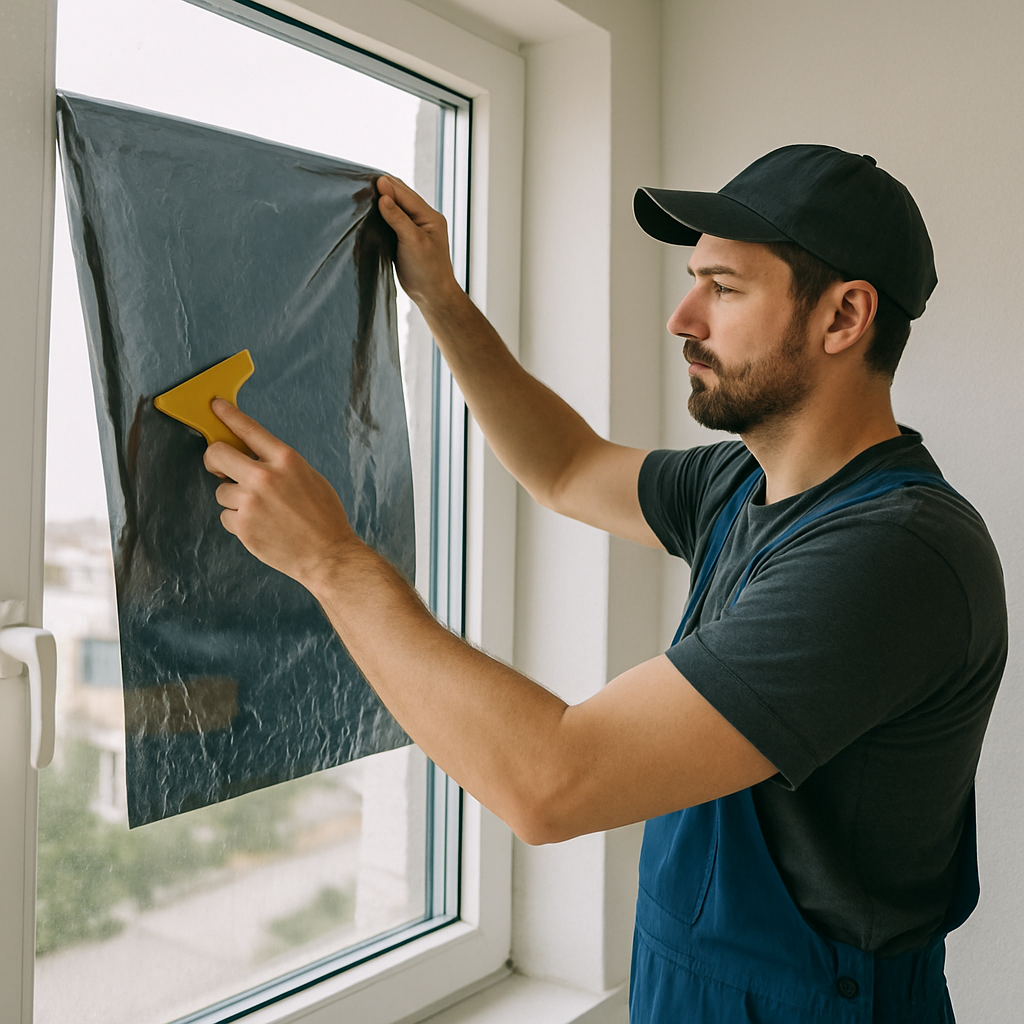
While frosted glass window film is relatively easy to install, there are a few important steps to follow to ensure a successful application. Here’s a step-by-step guide to help you through the process:

Step 1: Gather Your Materials

Before you begin, gather the necessary materials, including the frosted glass window film, a spray bottle filled with water and a few drops of dish soap, a squeegee, a utility knife, a measuring tape, and a clean cloth.

Step 2: Clean the Glass Surface

Thoroughly clean the glass surface where the film will be applied. Remove any dirt, dust, or grease to ensure proper adhesion. Use a glass cleaner and a lint-free cloth for the best results.

Step 3: Measure and Cut the Film

Measure the dimensions of the glass and cut the frosted glass window film to fit, leaving a slight overhang on each edge. Use a utility knife and a straight edge to make precise cuts.

Step 4: Apply the Film

Spray the glass surface with the soapy water mixture. This will help position the film and remove air bubbles. Peel off the backing from the film and carefully place it on the glass, starting from the top and working your way down.

Step 5: Smooth Out the Film

Use a squeegee to smooth out the film, starting from the center and working towards the edges. This will remove any air bubbles and excess water. Wipe away any remaining moisture with a clean cloth.

Step 6: Trim the Edges

Once the film is securely in place, use a utility knife to trim away any excess film along the edges of the glass. Be careful not to scratch the glass surface.

Step 7: Final Inspection

Inspect the film for any remaining bubbles or imperfections. Smooth out any areas that need adjustment and ensure the film is securely adhered to the glass.

Design Options for Frosted Glass Window Film

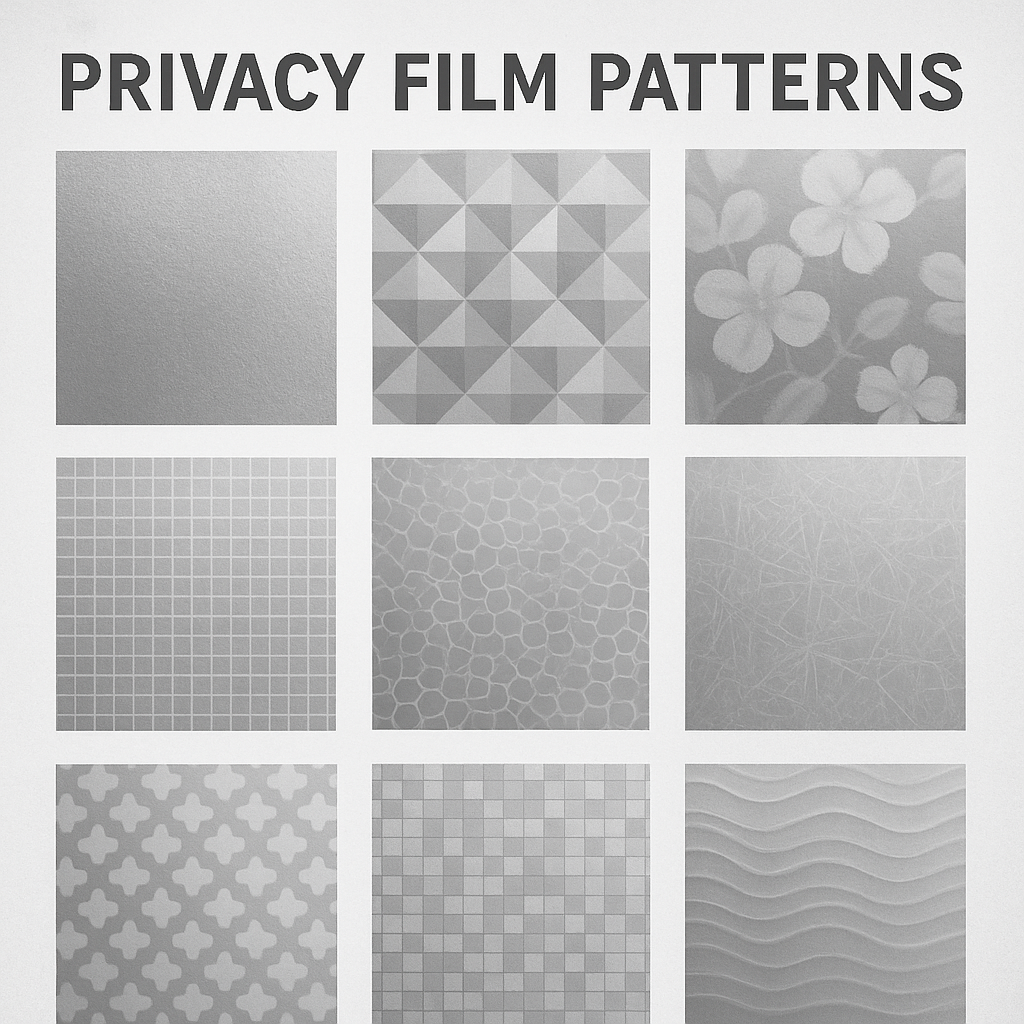
Frosted glass window film comes in a wide range of designs, allowing you to customize the look to suit your style and preferences. Here are some popular design options:

  1. Classic Frosted Look: This timeless design mimics the appearance of traditional frosted glass, providing a clean and sophisticated look.
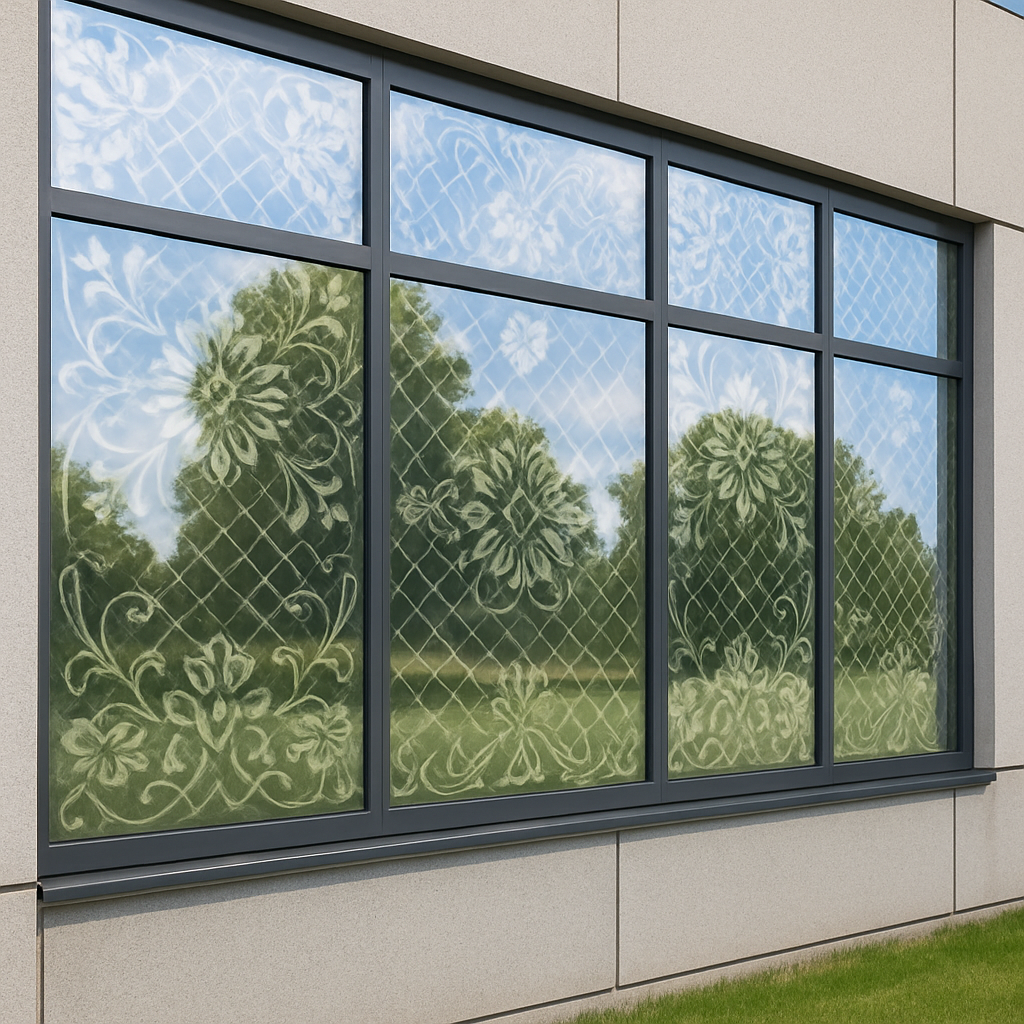
  2. Geometric Patterns: For a modern touch, consider frosted glass window film with geometric patterns. These designs can add visual interest and complement contemporary interiors.
  3. Nature-Inspired Designs: Bring the outdoors inside with frosted glass window film featuring nature-inspired motifs, such as leaves, flowers, or trees.
  4. Custom Designs: Some manufacturers offer custom design options, allowing you to create a unique look that reflects your personal style or brand identity.

Enhancing Your Space with Privacy Window Film

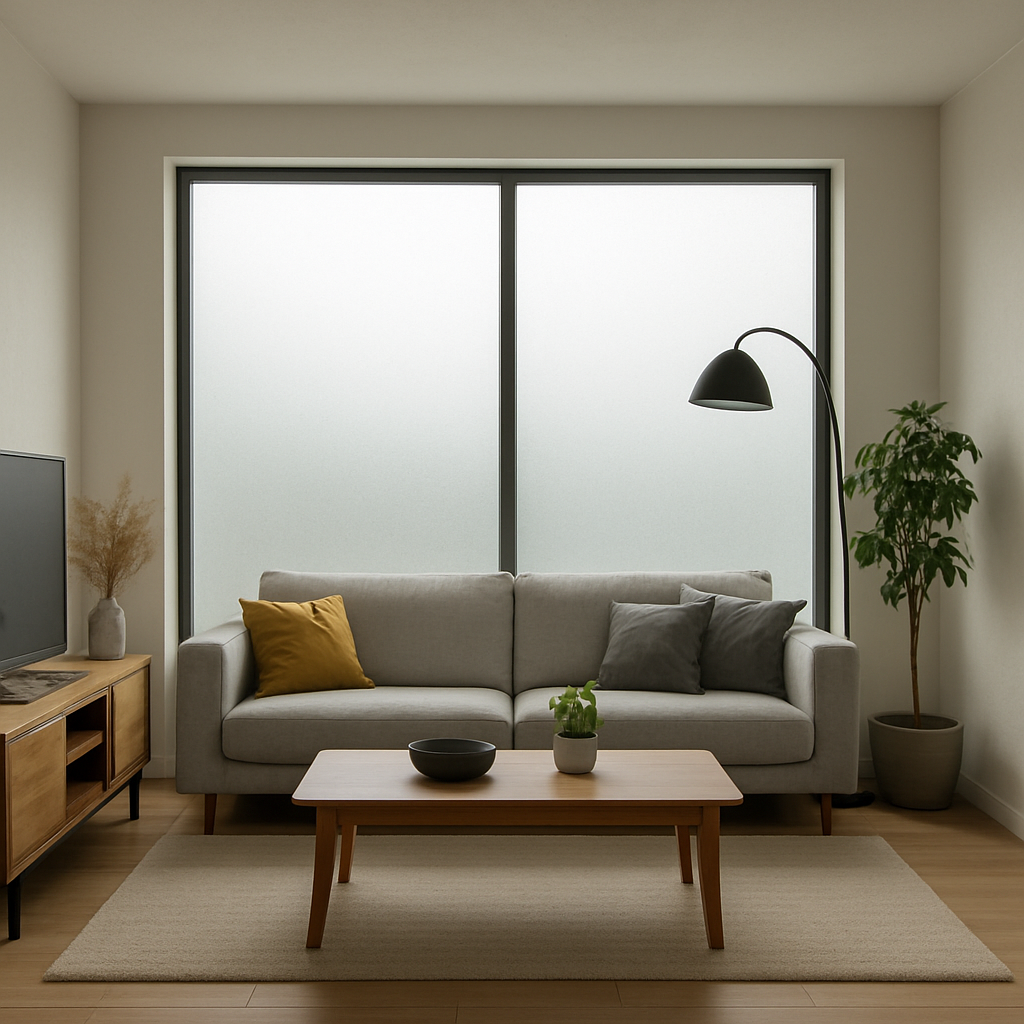
Interior view of a room with frosted glass window film

by Loris (https://unsplash.com/@loriskskp)

Privacy window film is an excellent choice for enhancing both residential and commercial spaces. It provides privacy, style, and functionality, making it a versatile solution for a variety of applications.

Residential Applications

In homes, frosted glass window film is commonly used in bathrooms, bedrooms, and entryways to provide privacy without sacrificing natural light. It’s also a popular choice for glass doors, sidelights, and transom windows.

Commercial Applications

In commercial settings, frosted glass window film is often used in conference rooms, offices, and storefronts to create a professional and private environment. It can also be used to display logos or branding elements, adding a personalized touch to business spaces.

Conclusion

Frosted glass window film is a versatile and stylish solution for adding privacy and enhancing the aesthetic appeal of your space. With its range of benefits, easy installation, and design options, it’s no wonder that more homeowners and designers are turning to this innovative product.

Whether you’re looking to increase privacy, improve energy efficiency, or simply update the look of your windows, frosted glass window film offers a practical and cost-effective solution. By understanding the benefits and installation process, you can confidently choose the right option for your needs and enjoy the enhanced beauty and functionality it brings to your space.

::contentReference[oaicite:0]{index=0}

Categories
Window Tinting and Film

Top Industry Insights on Heat Control Window Film

When it comes to enhancing the comfort and efficiency of a home, heat control window film stands out as a remarkable solution. This innovative product not only improves energy efficiency but also adds a layer of style and protection to windows. Whether you’re an interior designer looking to offer your clients eco-friendly solutions or a homeowner aiming to reduce energy costs, understanding the benefits of window films is essential.

Heat control window film is a thin, multi-layered polyester film applied to the interior surface of windows. It works by reflecting and absorbing solar energy, thus reducing heat gain in the summer and heat loss in the winter. This helps maintain a consistent indoor temperature, which can significantly lower energy consumption. According to the U.S. Department of Energy, properly selected window treatments can play a critical role in reducing unwanted heat gain and improving overall home efficiency.

Key Features of Heat Control Window Film

  1. Energy Efficiency: By reducing the need for heating and cooling, window film can decrease energy bills.
  2. UV Protection: Blocks up to 99% of harmful UV rays, protecting furniture and flooring from fading. The U.S. Environmental Protection Agency (EPA) also highlights the importance of minimizing UV exposure to protect indoor environments.
  3. Glare Reduction: Minimizes glare on screens, making living spaces more comfortable.
  4. Privacy and Security: Offers an added layer of privacy and can strengthen glass to prevent shattering.

Benefits of Window Insulation Film

window_insulation_film_application

Enhancing Comfort and Efficiency

One of the primary advantages of window insulation film is its ability to improve indoor comfort. During hot months, it reflects solar heat, keeping interiors cooler without excessive reliance on air conditioning. In colder months, it reduces heat loss, helping maintain a warmer environment. This balancing act ensures a comfortable living space year-round.

Cost-Effective Solution for Homeowners

For homeowners, investing in heat control window film is a cost-effective strategy. The reduction in energy usage leads to lower utility bills, and the film itself is generally less expensive than replacing windows with energy-efficient models. It’s a budget-friendly way to achieve substantial savings over time. Homeowners looking to maximize performance should also consider choosing an energy-efficient window tint to further enhance long-term savings.

Aesthetic and Functional Appeal

Window film doesn’t just offer functional benefits; it also enhances the aesthetic appeal of a home. Available in various shades and styles, it can complement any interior design while maintaining the view outside. This makes it an attractive choice for interior designers seeking to blend style with function.

Choosing the Right Window Film for Heat Control

Assessing Your Needs

Before selecting a window film, it’s important to assess the specific needs of your home or project. Consider factors like climate, window orientation, and the level of privacy desired. These elements will guide you in choosing a film that best suits your requirements.

Types of Heat Control Window Films

  1. Reflective Films: These films are highly effective in reducing solar heat gain. They have a mirrored appearance and are ideal for areas with intense sunlight.
  2. Ceramic Films: Known for their clarity, ceramic films provide excellent heat reduction without altering the appearance of windows.
  3. Dyed Films: These offer moderate heat control and glare reduction, usually at a lower cost. They add a subtle tint to windows, enhancing privacy.
  4. Dual-Reflective Films: These films are reflective on the exterior and less so on the interior, preserving indoor visibility while controlling heat.

Professional Installation vs. DIY

While some may consider DIY installation, professional installation ensures optimal performance and longevity of the film. Professionals have the expertise to handle complex installations, particularly for large or high windows, and can guarantee a flawless finish.

Industry Trends in Heat Control Window Film

modern_window_film_technology

by Alvaro Guerrero (https://unsplash.com/@alvarosgm)

Technological Advancements

The window film industry is continuously evolving with technological advancements. Recent developments include films with enhanced infrared rejection capabilities and those that integrate smart technology, allowing for dynamic adjustments based on weather conditions. These innovations promise even greater energy savings and comfort. Programs such as ENERGY STAR also highlight the importance of certified energy-efficient window solutions.

Growing Demand for Sustainable Solutions

With increasing awareness of environmental issues, there is a growing demand for sustainable home improvement solutions. Heat control window films align with this trend by offering an eco-friendly way to improve energy efficiency. They help reduce carbon footprints while enhancing home comfort.

Integration with Smart Home Systems

Modern window films are now being integrated into smart home systems. This allows homeowners to control the level of tint and glare from their smartphones or through automated systems, optimizing comfort and efficiency based on real-time data.

Conclusion: The Future of Window Film

The future of heat control window film is bright, with ongoing innovations and a strong push towards sustainability. For interior designers, this means more opportunities to provide clients with stylish, energy-efficient solutions that enhance living spaces. For homeowners, it represents a smart investment in comfort, aesthetics, and energy savings.

By understanding the capabilities and benefits of heat control window film, you can make informed decisions that improve your living environment. Whether you’re looking to reduce energy costs, protect furnishings, or simply enjoy a more comfortable home, window film offers a versatile and effective solution.

Investing in heat control window film is not just a step towards better energy efficiency; it’s a commitment to a more sustainable and comfortable lifestyle. As the industry continues to innovate, the possibilities for enhancing home comfort and aesthetics are virtually limitless.

Categories
Window Tinting and Film

Why Designers Recommend Window Film For Home

In the world of interior design, the smallest details can make the biggest impact. One such detail, often overlooked yet incredibly effective, is window film. Whether you’re aiming for enhanced privacy, improved energy efficiency, or simply a stylish upgrade, window film can be an exceptional choice for homeowners. In this article, we’ll explore the reasons why designers highly recommend window film for homes, focusing on its benefits and applications.

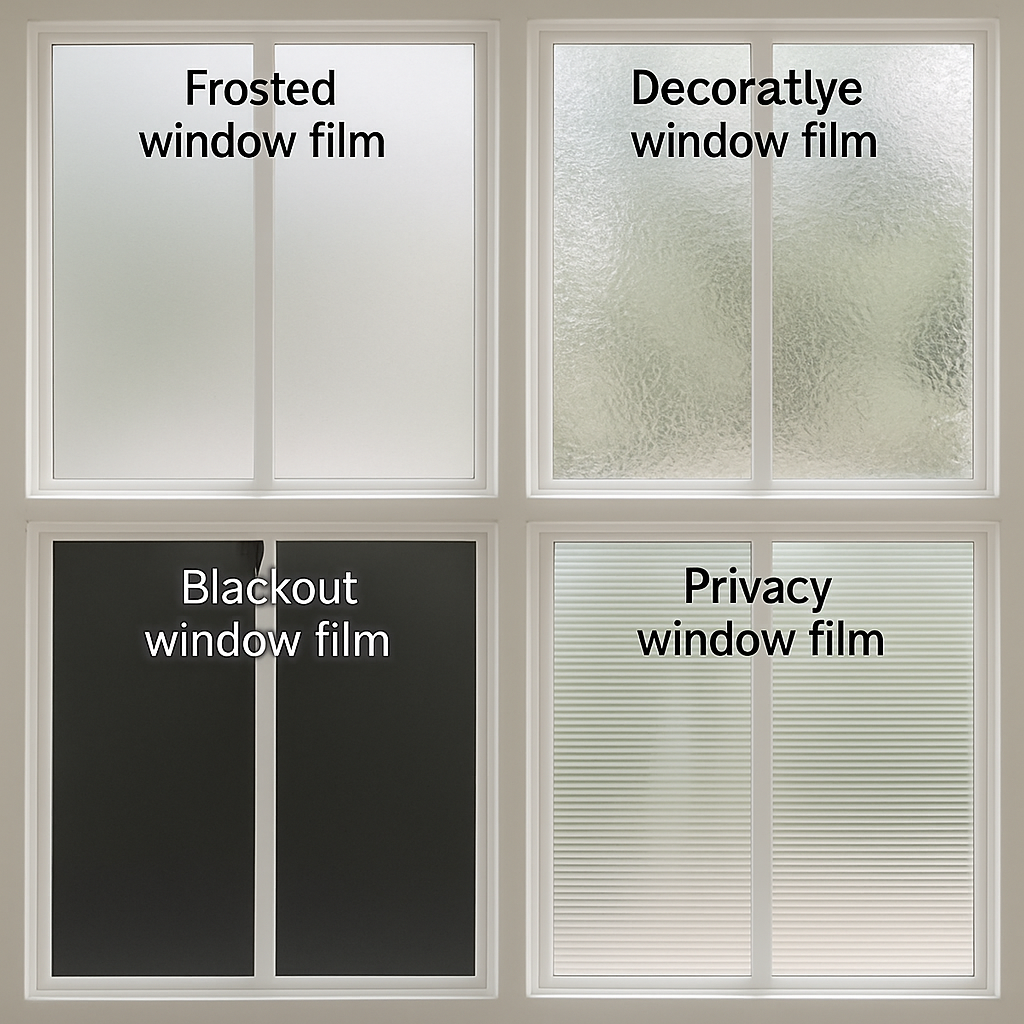
Window film is a thin layer of polyester or vinyl that adheres to the glass surface of windows. It comes in a variety of designs, including tinted, reflective, and decorative options, allowing homeowners to choose what best suits their needs. Window film can be used for multiple purposes, ranging from privacy enhancement to energy efficiency.

Types of Window Film

  • Privacy Window Film: This type of film is designed to obscure the view from the outside, making it ideal for bathrooms, bedrooms, or any room where privacy is desired. It allows natural light to enter while keeping prying eyes out.
  • Tinted Window Film: Tinted films reduce glare and heat from the sun, making them perfect for living rooms or home offices where screen glare can be a nuisance. They also contribute to energy savings by reducing the need for air conditioning.
  • Decorative Window Film: Available in an array of patterns and designs, decorative films add a touch of style to any room. They can mimic the look of frosted or etched glass at a fraction of the cost.

Benefits of Window Film

Home with tinted window film

Enhanced Privacy

One of the primary reasons homeowners install window film is to enhance privacy. Unlike traditional curtains or blinds that can block out natural light, privacy window films maintain a bright and airy feel in the room while keeping it private. This is particularly beneficial in urban settings where homes are closely situated.

Improved Energy Efficiency

Energy efficiency is a significant concern for many homeowners. Tinted window films can play a pivotal role in reducing energy consumption by blocking up to 99% of harmful UV rays and reflecting solar heat. This not only helps in maintaining a comfortable indoor temperature but also reduces the strain on cooling systems, ultimately leading to lower energy bills.

UV Protection

Prolonged exposure to UV rays can cause furnishings, flooring, and artwork to fade over time. Window film acts as a protective barrier, safeguarding your interior decor from sun damage and preserving the vibrant colors of your home’s furnishings.

Cost-Effective Solution

Compared to replacing windows or installing expensive window treatments, window film is a cost-effective solution that offers immediate benefits. It provides the look and feel of more expensive glass treatments without the hefty price tag.

Easy Installation and Maintenance

Window film is relatively easy to install, and many homeowners can even apply it themselves. Additionally, it requires minimal maintenance, making it a convenient choice for busy households. A simple wipe with a damp cloth is usually enough to keep it looking pristine.

Applications in Interior Design

Modern interior with decorative window film

by Taweesak Jang (https://unsplash.com/@oncepeet)

Interior designers often recommend window film for its versatility and ability to complement various design styles. Here are a few ways window film can be integrated into home design:

Creating Ambience

Decorative window films can create a specific mood or ambience in a room. For instance, a frosted film can give a bathroom a spa-like feel, while a colorful pattern can add a playful touch to a child’s room.

Highlighting Architectural Features

Window films can be used to accentuate architectural features of a home. By selectively applying film to certain windows, you can draw attention to unique elements like bay windows or skylights.

Enhancing Security

While not immediately apparent, some window films can enhance the security of your home. Security films are designed to hold shattered glass together, making it harder for intruders to break in and reducing the risk of injury from broken glass.

Choosing the Right Window Film

With so many options available, choosing the right window film can be a daunting task. Here are a few tips to help make the selection process easier:

  • Identify Your Needs: Determine what you want to achieve with window film. Is it privacy, energy efficiency, or decoration? This will guide your choice of film.
  • Consider the Room: Different rooms have different requirements. For instance, a living room might benefit from tinted film to reduce glare, while a bathroom might need privacy film.
  • Seek Professional Advice: Consulting with a professional can provide insights into the best options for your specific needs and ensure proper installation.

Conclusion

Window film is a versatile and practical solution for enhancing the comfort and aesthetics of a home. Whether you’re an interior designer looking to offer clients eco-friendly, stylish solutions, or a homeowner seeking to improve privacy and energy efficiency, window film can be an invaluable addition to your design toolkit.

Embrace the potential of window film to transform your living spaces, and you’ll discover an affordable, effective way to enhance your home’s beauty and functionality.

By incorporating window film into your design projects, you not only add value to your home but also contribute to a more sustainable and energy-efficient living environment.

Categories
Window Tinting and Film

What Experts Say About Mirror Privacy Window Film

When it comes to enhancing the privacy and aesthetics of a home, mirror privacy window film is a solution that experts highly recommend. This innovative product offers a blend of functionality and style, making it a popular choice among homeowners and interior designers alike. In this article, we’ll delve into what makes mirror privacy window film a go-to solution, its benefits, and what experts have to say about its application in modern home improvement.

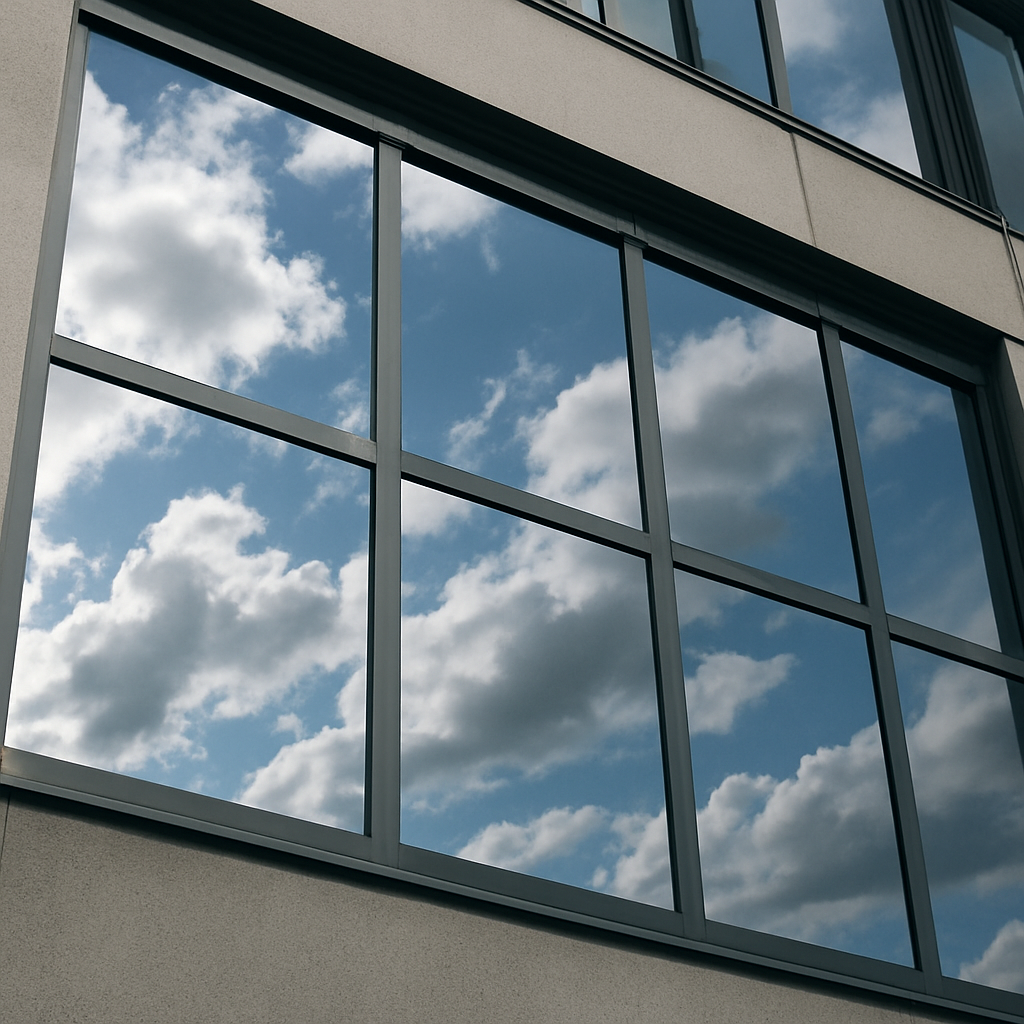
Mirror privacy window film is a type of reflective window film that can be applied to glass surfaces. Its primary function is to provide privacy by creating a mirrored effect on the outside, which prevents outsiders from seeing in while still allowing those inside to see out. This dual function makes it an excellent option for both residential and commercial properties.

How Does It Work?

The film is designed to reflect light, creating a mirror-like appearance from one side. During the day, the brighter exterior light reflects off the film, making it difficult for outsiders to see inside. However, at night, when interior lights are on, the effect can reverse, so additional window treatments like curtains or blinds might be needed to maintain privacy.

The Benefits of Reflective Window Film

Experts in home improvement highlight several key benefits of using mirror privacy window film:

Enhanced Privacy

One of the primary reasons homeowners and businesses choose reflective window film is for enhanced privacy. Whether you’re looking to shield your home from prying eyes or maintain confidentiality in an office setting, this film is an effective solution. If you’re exploring more ways to enhance privacy, you can also achieve privacy with window films using tailored solutions for different spaces.

Energy Efficiency

Reflective window film also plays a significant role in energy conservation. By reflecting sunlight, it helps reduce heat gain during the summer months, which can lower cooling costs. This is particularly beneficial for homes with large windows or glass doors that are exposed to direct sunlight. Many homeowners exploring solar window films benefits discover that reflective films offer similar heat-control advantages. According to the U.S. Department of Energy, window films and coverings can significantly improve overall energy efficiency when properly selected and installed.

Energy-efficient windows with mirror privacy film

UV Protection

Prolonged exposure to UV rays can cause furnishings, flooring, and artwork to fade over time. Mirror privacy window film blocks up to 99% of harmful UV rays, protecting your interiors from sun damage and extending the life of your possessions. The Environmental Protection Agency (EPA) highlights the importance of reducing UV exposure to help protect both people and interior environments from long-term damage.

Aesthetic Appeal

Beyond functionality, mirror privacy window film adds a sleek, modern look to any space. It complements a wide range of interior design styles, making it a versatile choice for those looking to enhance their home’s appearance.

Installation and Maintenance

Easy Installation

One of the advantages of mirror privacy window film is its ease of installation. It can be applied to existing windows without the need for extensive renovations. While professional installation is recommended for best results, many DIY enthusiasts find it manageable with the right tools and instructions.

Low Maintenance

Once installed, mirror privacy window film requires minimal maintenance. Regular cleaning with a soft cloth and mild detergent is typically sufficient to keep it looking its best. This low-maintenance aspect is another reason it’s favored by busy homeowners and businesses.

Expert Insights on Mirror Privacy Window Film

Expert home improvement specialist installing window film

by Bridget Adolfo (Unsplash Profile)

We spoke with several experts in the field of home improvement to gather their insights on mirror privacy window film:

Versatility and Functionality

According to Sarah Johnson, a seasoned interior designer, “Mirror privacy window film is a versatile solution that offers both functionality and aesthetic appeal. It’s an ideal choice for clients who want to enhance privacy without sacrificing natural light.”

Cost-Effective Solution

John Doe, a home improvement contractor, emphasizes the cost-effectiveness of window privacy film. “Compared to other privacy solutions like frosted glass or custom blinds, reflective window film is a budget-friendly option that delivers excellent results.”

Eco-Friendly Benefits

Environmental sustainability is a growing concern for many homeowners. Jane Smith, an expert in green building solutions, notes, “By reducing the need for air conditioning, reflective window film can significantly decrease a home’s energy consumption, making it an eco-friendly choice.”

Choosing the Right Reflective Window Film

When selecting a mirror privacy window film, consider factors such as the level of reflectivity, color, and adhesive quality. It’s important to choose a film that aligns with both your privacy needs and aesthetic preferences.

Levels of Reflectivity

Different films offer varying degrees of reflectivity. Higher reflectivity films provide greater privacy but may slightly reduce the amount of natural light entering the room. It’s crucial to strike the right balance based on your specific requirements.

Color Options

Reflective window films come in a range of colors and shades. While silver is the most common, you can find films in bronze, grey, and other hues to match your interior design.

Quality and Durability

Investing in a high-quality film ensures longevity and performance. Look for films from reputable manufacturers that offer warranties and have positive customer reviews.

Conclusion

Mirror privacy window film is a smart, stylish, and practical solution for enhancing privacy and energy efficiency in any space. With its numerous benefits and ease of installation, it’s no wonder experts frequently recommend this innovative product.

Whether you’re an interior designer looking to add a modern touch to your projects or a homeowner seeking to improve your living space, mirror privacy window film is worth considering. Its ability to combine privacy, aesthetics, and energy savings makes it an invaluable addition to any home or office.

By understanding the advantages and consulting with experts, you can make an informed decision that aligns with your design goals and lifestyle needs.

Categories
Window Tinting and Film

All You Need to Know About 30 Vlt Window Tint

30 VLT window tint refers to a film that allows 30% of visible light to pass through your car windows. In practical terms, this means it blocks 70% of the visible light, offering a balance between visibility and privacy. Such a tint provides moderate darkening of the windows, which is ideal for those who want to reduce glare and heat without compromising too much on visibility. It’s a popular choice for those who frequently drive in sunny climates or urban areas where privacy is a concern.

This type of tint can be applied to various parts of a vehicle, including front, rear, and side windows, depending on legal restrictions. The 30% light transmission is generally enough to maintain visibility and ensure safe driving conditions during both day and night. Moreover, its moderate shading also prevents excessive darkness that might cause issues with law enforcement or during low-light conditions.

Benefits of 30 VLT Window Tint

Improved Comfort

One of the main advantages of 30 VLT window tint is the increased comfort it provides. By blocking a substantial amount of sunlight, it helps keep the interior of your car cooler, thereby reducing the reliance on air conditioning. This can lead to significant fuel savings over time, especially during the hot summer months when cooling demands are higher. The cooler interior also creates a more pleasant driving environment, which can reduce fatigue during long drives.

In addition to temperature control, the tint reduces glare from the sun, which can be particularly distracting and dangerous when driving. With less glare, you can focus better on the road and enjoy a more comfortable driving experience. This is especially beneficial for those with sensitive eyes or those who spend extended periods behind the wheel.

Enhanced Privacy

With 30 VLT window tint, you can enjoy a greater sense of privacy while driving. The tint makes it more difficult for people outside to see into your car, which can be especially beneficial if you frequently travel with valuable items. Privacy is not only about security but also about personal comfort, as it allows you to enjoy your car as a private space, free from prying eyes.

Moreover, enhanced privacy can be a significant deterrent against theft. Potential thieves are less likely to target a vehicle if they cannot easily see what’s inside. Therefore, investing in a 30 VLT tint could provide peace of mind knowing that your belongings are less visible and thus less tempting to opportunistic criminals.

UV Protection

Sun rays hitting car windows

Another important benefit of 30 VLT window tint is its ability to block harmful UV rays. Prolonged exposure to UV rays can damage the skin and cause the interior of your car to fade over time. The tint acts as a barrier, protecting you and your passengers from these harmful effects. This is particularly important for drivers who spend long hours on the road, as it reduces the risk of skin damage and related health issues.

By installing 30 VLT tint, you can also protect your car’s interior from fading and cracking, extending the life of your upholstery and dashboard. This not only maintains the aesthetic appeal of your vehicle but also preserves its resale value. The tint acts as a shield, ensuring that the interior remains in good condition regardless of how much sunlight it is exposed to.

Aesthetic Appeal

Beyond functionality, 30 VLT window tint also enhances the appearance of your vehicle. It gives your car a sleek, sophisticated look that can complement any style. Whether you drive a sports car or a family sedan, 30 VLT tint adds a touch of elegance that can make your vehicle stand out on the road.

The uniform shading provided by the tint can also create a more cohesive look for your car, enhancing its overall design. This aesthetic upgrade can be an attractive feature for those who take pride in their vehicle’s appearance. Additionally, because the 30 VLT tint is neither too dark nor too light, it maintains a timeless appeal that adapts well to changing styles and trends.

Legal Considerations for 30 VLT Window Tint

Before installing 30 VLT window tint, it’s crucial to be aware of the legal restrictions in your area. Tint laws can vary significantly from state to state and even between different countries. In some regions, 30 VLT may be the darkest legal tint allowed, while in others, it might exceed the legal limit. Understanding these laws is essential to avoid unnecessary fines or the hassle of having to remove non-compliant tint.

Understanding Local Tint Laws

To avoid fines or having to remove your tint, it’s important to research the specific regulations in your area. Most places have laws that dictate the minimum VLT percentage allowed for different windows on a vehicle. For example, the legal VLT percentage for front windows may differ from that of rear windows. These laws are often designed to ensure that drivers maintain sufficient visibility for safe driving under various conditions.

Additionally, some regions have specific requirements for side mirrors if certain levels of tint are applied to the windows. It’s also worth noting that there may be exemptions or specific allowances for certain vehicle types or uses, such as medical needs. Being fully informed of these regulations will help you make the right choice when selecting a window tint.

Consulting a Professional

If you’re unsure about the tint laws in your area, consider consulting with a professional window tinting service. They can provide guidance and ensure that your tinting complies with local regulations. Additionally, professionals have the expertise to install the tint correctly, minimizing the risk of bubbles or peeling. A professional service can also offer advice on the best type of tint for your specific needs, considering both legal and practical aspects.

Furthermore, professional installers often provide warranties on their work, which can be beneficial if any issues arise after installation. This warranty can cover defects in the film or problems with the installation process, offering additional peace of mind. Consulting with a professional ensures that you not only comply with the law but also receive high-quality installation that enhances your vehicle’s functionality and appearance.

Installation Process of 30 VLT Window Tint

Window tint installation

by Zen Summer (https://unsplash.com/@ispywithmylittleeye)

Now that you understand the benefits and legal considerations, let’s look at the installation process for 30 VLT window tint. While some people choose to install window tint themselves, hiring a professional is often recommended to ensure a flawless result. The installation process involves several detailed steps that require precision and expertise to achieve the best outcome.

DIY vs. Professional Installation

DIY Installation

If you’re a hands-on person and enjoy DIY projects, you may consider installing the tint yourself. DIY kits are available and come with pre-cut films and instructions. However, keep in mind that achieving a professional finish can be challenging without the right tools and experience. DIY installation requires careful preparation and precision to avoid common issues such as air bubbles, peeling, or misalignment.

While a DIY approach can be cost-effective, it often involves a steep learning curve and the potential for errors. It’s essential to weigh the potential savings against the time and effort required, as well as the risk of having to redo the installation if it doesn’t meet your expectations. For those who are confident in their skills and willing to invest the time, DIY installation can be a rewarding project.

Professional Installation

For most people, professional installation is the best option. Professional installers have the skills and equipment needed to apply the tint smoothly and evenly. They also offer warranties, providing peace of mind in case any issues arise. A professional installation ensures that the tint is applied without imperfections, maximizing its benefits and longevity.

Moreover, professionals are well-versed in the latest techniques and materials, ensuring that your tint is installed using the most effective methods. This expertise not only enhances the appearance of your vehicle but also ensures that the tint provides optimal performance in terms of heat reduction and UV protection.

Steps Involved in Professional Installation

  1. Cleaning the Windows: The first step in the installation process is thoroughly cleaning the windows to remove any dirt, dust, or debris. This ensures that the tint adheres properly and doesn’t have imperfections. A clean surface is crucial to prevent any particles from getting trapped under the film, which can cause bubbles or peeling.
  2. Measuring and Cutting the Film: The next step involves measuring the windows and cutting the tint film to fit precisely. This step requires precision to ensure there are no gaps or overlaps. Professionals use specialized tools to achieve exact cuts that match the contours of your vehicle’s windows.
  3. Applying the Tint: Once the film is cut, it’s time to apply it to the windows. The installer will use a special adhesive to attach the film and a squeegee to remove any air bubbles, ensuring a smooth finish. This step is critical to achieving a professional appearance and ensuring the tint’s durability.
  4. Final Inspection: After the tint is applied, the installer will inspect the windows to ensure there are no imperfections. They will also provide you with care instructions to maintain the tint’s appearance and longevity. This final step ensures that the installation meets the highest standards and that you are fully informed on how to care for your new tint.

Caring for Your 30 VLT Window Tint

Maintaining your 30 VLT window tint is essential to ensure it lasts and continues to look good. Proper care not only preserves the tint’s appearance but also its effectiveness in blocking UV rays and reducing heat.

  • Avoid Harsh Cleaners: Use a mild, non-abrasive cleaner to clean your tinted windows. Harsh chemicals can damage the film and reduce its effectiveness. Opt for a cleaner that is specifically designed for tinted windows to avoid any adverse effects.
  • Be Gentle: When cleaning, use a soft cloth or sponge to avoid scratching the tint. Avoid using sharp objects or scrubbing too hard. Gentle cleaning helps maintain the clarity and adhesion of the tint over time.
  • Let It Cure: After installation, allow the tint to cure for a few days before rolling the windows down. This helps the adhesive bond properly. During this curing period, it’s important to avoid cleaning or applying pressure to the windows to ensure the best results.

Conclusion

In conclusion, 30 VLT window tint is a versatile and popular option for car owners looking to enhance comfort, privacy, and UV protection. By understanding the benefits, legal considerations, and installation process, you can make an informed decision about whether 30 VLT tint is right for your vehicle. Whether you choose to install it yourself or hire a professional, you’ll enjoy the many advantages that 30 VLT window tint has to offer. With the right care and maintenance, this tint can provide long-lasting benefits and keep your vehicle looking and feeling great.

Categories
Window Tinting and Film

The Eco-Friendly Case for Bathroom Window Privacy Film

In the realm of home improvement, finding solutions that are both stylish and environmentally conscious can be a challenge. For interior designers, the task of sourcing materials that enhance aesthetics while promoting energy efficiency is crucial. Bathroom window privacy film presents a compelling option that fulfills these needs, offering an elegant, eco-friendly alternative to traditional window treatments.

The bathroom is a sanctuary within the home, a place where privacy is paramount. However, maintaining this privacy does not have to come at the expense of style or environmental responsibility. Bathroom window privacy film provides an innovative solution that meets these criteria, offering numerous benefits that make it an ideal choice for modern homeowners and interior designers alike.

Enhancing Aesthetic Appeal

Privacy window film comes in a variety of designs, patterns, and finishes, allowing homeowners and designers to choose the perfect match for any interior style. From frosted glass effects to intricate patterns, these films can transform plain windows into eye-catching focal points.

Moreover, the versatility of privacy window film means it can be used to create custom designs that reflect personal taste or complement existing décor. This flexibility ensures that privacy film is not just a functional addition but a stylish enhancement to any bathroom space.

Eco-Friendly and Energy Efficient

One of the standout features of eco-friendly bathroom window privacy film is its contribution to energy efficiency. By reducing the amount of heat that enters or escapes through windows, these films help maintain a consistent indoor temperature. This can lead to significant energy savings, as it reduces the need for heating and cooling systems to work overtime.

Additionally, privacy window films are often made from sustainable materials, further minimizing their environmental impact. For eco-conscious homeowners and designers, this makes them an attractive option that aligns with green building practices.

The Benefits of Privacy Window Film

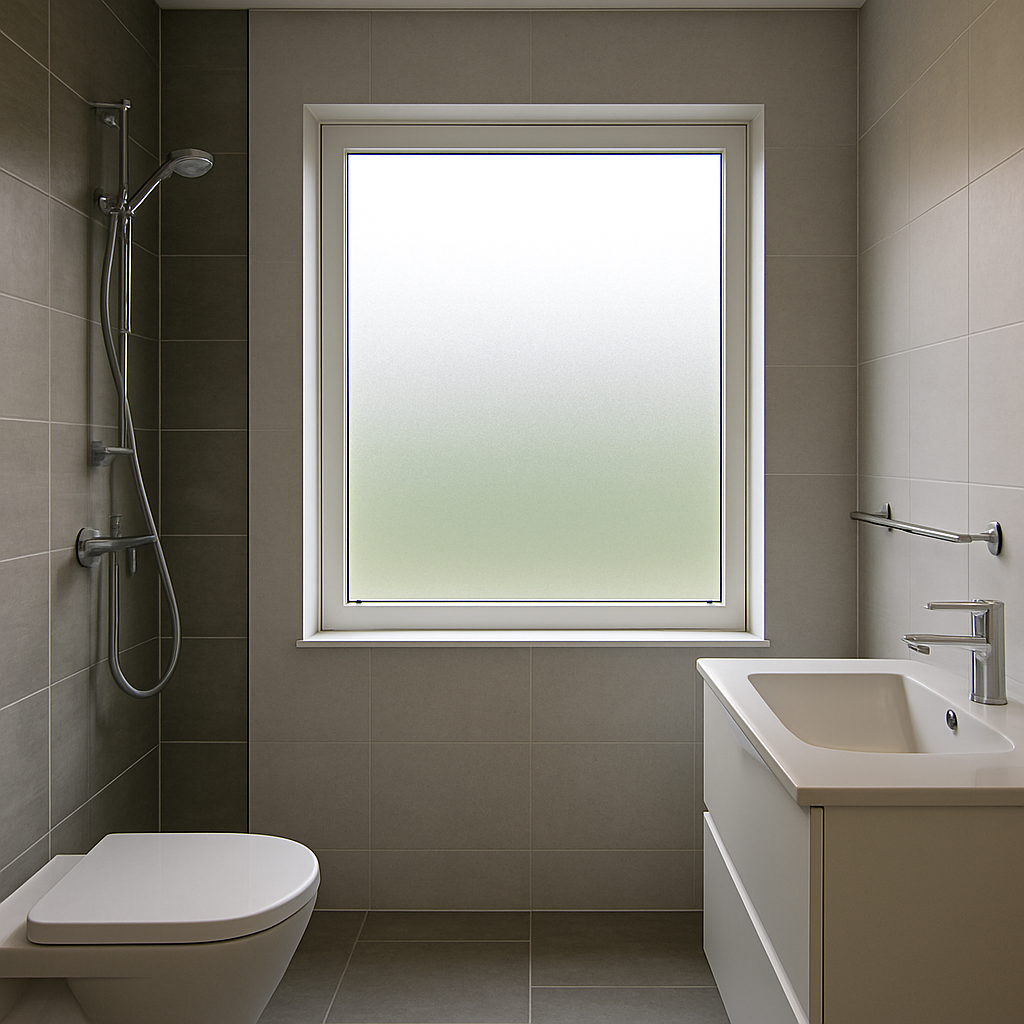
Bathroom privacy window film

Beyond aesthetics and environmental considerations, bathroom window privacy film offers several practical benefits that enhance its appeal as a home improvement solution.

Easy Installation and Maintenance

Unlike traditional window treatments such as curtains or blinds, privacy window film is relatively easy to install. It requires no drilling or hardware, making it a straightforward DIY project for those inclined. For larger or more complex installations, professional services can ensure a flawless application.

Once installed, privacy films require minimal maintenance. A simple wipe with a damp cloth is often enough to keep them looking pristine, making them a low-maintenance solution that saves time and effort.

Cost-Effective Privacy Solution

For those on a budget, privacy window film provides a cost-effective alternative to more expensive window treatments. The initial investment is typically lower than that of custom blinds or shutters, and the long-term savings on energy bills can further offset the cost.

Moreover, because privacy films are durable and long-lasting, they represent excellent value for money. With proper care, they can continue to deliver privacy and aesthetic benefits for many years.

Improved Safety and Security

Privacy films do more than just obscure the view from outside; they also add an extra layer of safety. By holding shattered glass together in the event of a breakage, they reduce the risk of injury from flying shards. This makes them a particularly valuable addition in family homes or areas prone to severe weather.

Customizing Your Privacy Film

The true beauty of bathroom window privacy film lies in its ability to be customized to suit individual preferences and requirements. Whether you’re aiming for a minimalist look or a bold statement, there’s a privacy film design to match.

Options for Every Taste

Frosted films offer a classic, timeless appeal that blends seamlessly with any decor. For those seeking a touch of elegance, etched or stained glass patterns can add a sophisticated edge. Alternatively, colorful or patterned films can inject personality and vibrancy into a space.

Many companies offer customizable options, allowing you to create a unique design that reflects your personal style or the character of your home. This level of customization ensures that your privacy film is as much a part of your interior design as any other element.

Sustainable Choices

When selecting privacy film, consider options made from sustainable materials. Many manufacturers now offer eco-friendly films that use recycled content or biodegradable materials, ensuring that your choice supports broader environmental goals.

Installation Tips for Privacy Window Film

Installing window film

by william f. santos (https://unsplash.com/@youwwwill)

To ensure the best results when installing bathroom window privacy film, consider these practical tips:

  • Clean the Window Thoroughly: Before application, ensure the window surface is clean and free from dust or grease. This will help the film adhere properly and prevent bubbles or imperfections.
  • Measure Accurately: Measure the window dimensions carefully and cut the film to size, allowing for a small margin to trim after application for a perfect fit.
  • Use a Squeegee: During installation, use a squeegee to smooth out the film and remove any air bubbles. This will ensure a professional finish and long-lasting adhesion.
  • Seek Professional Help if Needed: For large windows or intricate designs, consider hiring a professional installer. They can ensure the film is applied smoothly and correctly, maximizing its benefits and longevity.

Conclusion: A Smart, Stylish Choice

Bathroom window privacy film represents a smart, stylish choice for homeowners and interior designers seeking to enhance privacy, improve energy efficiency, and maintain a commitment to eco-friendly practices. With its wide range of design options, ease of installation, and cost-effective benefits, it stands out as a versatile solution that meets the needs of modern living.

Whether you’re renovating a bathroom or designing a new space, consider the eco-friendly case for bathroom window privacy film. It’s a decision that combines practicality with elegance, ensuring your home is both beautiful and responsible.