In today’s world, where energy efficiency and sustainability are paramount, homeowners and interior designers are constantly seeking innovative solutions to improve the energy performance of homes without compromising on aesthetics. One such solution that has been gaining attention is thermal window film. But what exactly is the ROI of thermal window film, and why should you consider it for your home or design projects?
Thermal window film is a thin layer of material applied to windows to enhance their insulating capabilities. It acts as a barrier, reducing the amount of heat transferred through the glass. This means in the summer, it helps keep the heat out, and in the winter, it helps keep the warmth in. The result? More energy-efficient windows that contribute to lower heating and cooling costs.
How Does It Work?
Thermal window film works by reflecting and absorbing solar energy. It is designed to allow visible light to pass through while blocking a significant amount of the sun’s heat and harmful UV rays. This not only helps in maintaining comfortable indoor temperatures but also protects furnishings from fading.
Types of Thermal Window Films
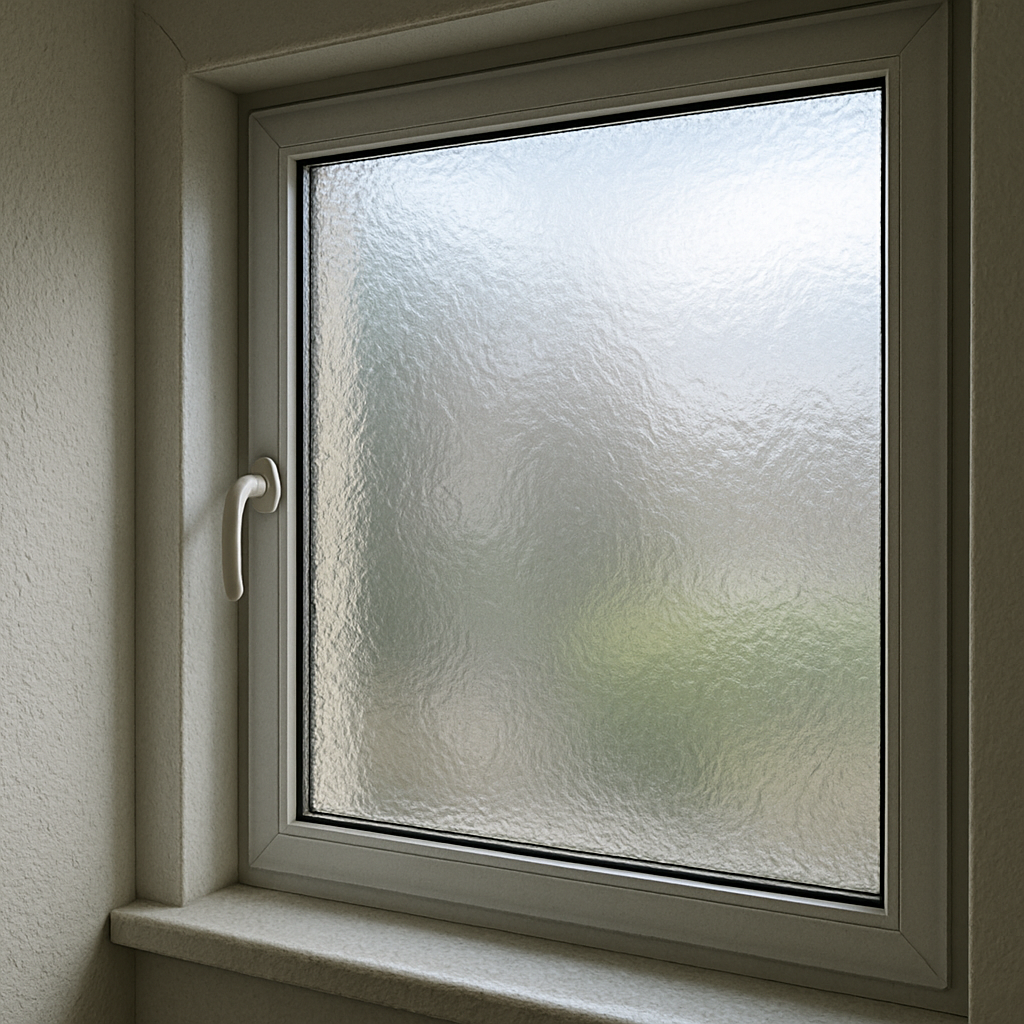
There are various types of thermal window films available, each with its own set of benefits. Some are tinted to provide additional privacy, while others are clear, maintaining the natural look of the glass. There are also decorative films that can add a touch of style to your windows. The choice of film depends on your specific needs and aesthetic preferences.
The Financial Benefits of Thermal Window Film
One of the most compelling reasons to invest in thermal window film is the return on investment (ROI) it offers. Here’s how this investment can pay off:
Lower Energy Bills
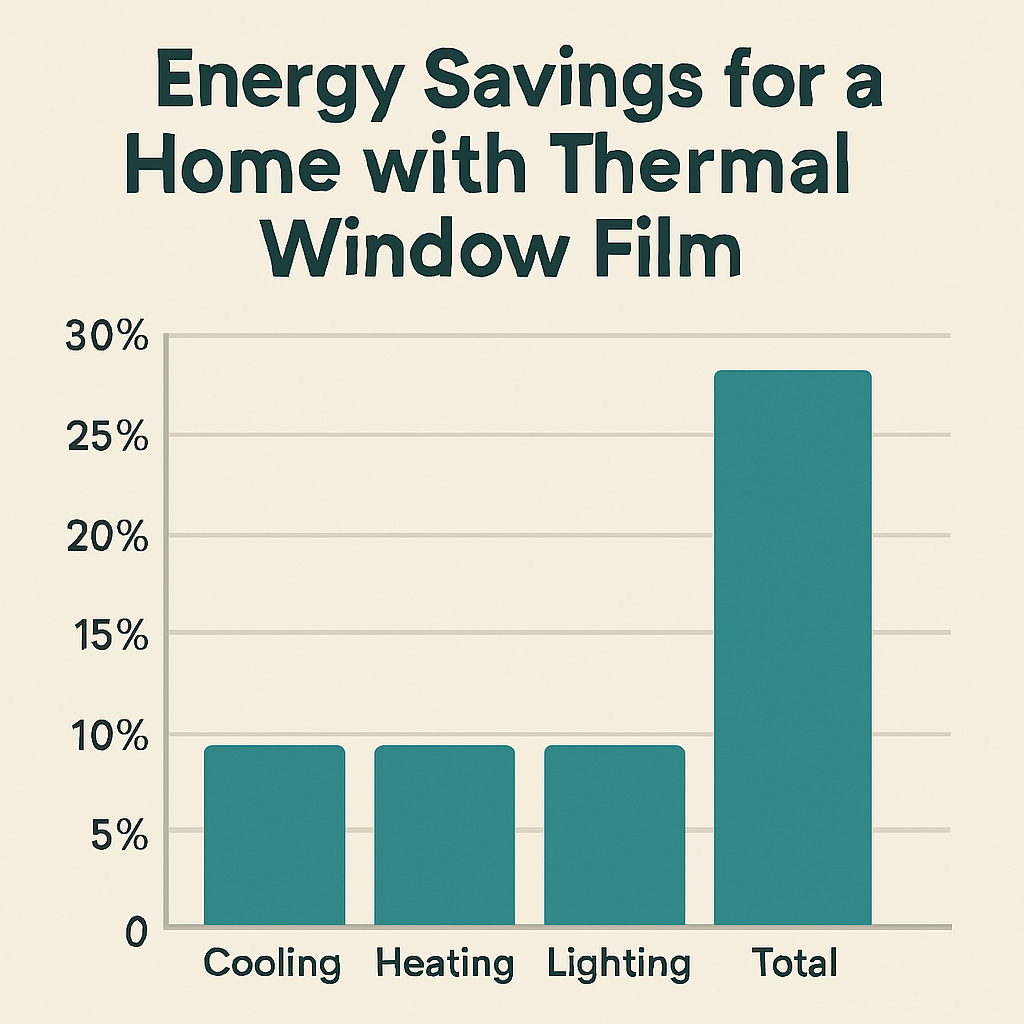
By improving the insulation of your windows, thermal window film reduces the need for excessive heating in the winter and air conditioning in the summer. This can lead to significant savings on your energy bills. Some studies suggest that homeowners can save up to 30% on their energy costs after installing thermal window film.
Increased Property Value
Energy-efficient upgrades are attractive to potential buyers. Installing thermal window film can increase the marketability of your property, making it a worthwhile investment if you ever decide to sell your home.
Extended Lifespan of Interiors
The UV protection offered by thermal window film helps prevent fading and damage to furniture, flooring, and artwork. This means your interior investments last longer, reducing the need for costly replacements or repairs.
Environmental Impact
In addition to financial benefits, thermal window film contributes positively to the environment. By reducing energy consumption, you are lowering your carbon footprint, which is a crucial step towards sustainable living.
Supporting Eco-Friendly Initiatives
Many local governments and utility companies offer incentives for homeowners who make energy-efficient upgrades. Installing thermal window film may qualify you for rebates or tax credits, further enhancing the financial benefits.
Choosing the Right Thermal Window Film

by Sheeyam (https://unsplash.com/@sheeyams)
Selecting the right thermal window film involves considering several factors:
Your Climate
The effectiveness of thermal window film can vary based on the climate you live in. In warmer climates, films that block a higher percentage of solar energy are beneficial, while in colder regions, films that focus on retaining heat might be more suitable.
Aesthetic Preferences
As mentioned earlier, thermal window films come in various styles and finishes. Consider whether you prefer a clear film that doesn’t alter the appearance of your windows or a tinted or decorative option that adds a design element to your space.
Professional Installation
While some homeowners may choose to install window film themselves, professional installation ensures the best results. Professionals have the expertise to apply the film without bubbles or creases, ensuring maximum performance and longevity.
Case Studies: Real-World Applications
Consider these examples of how thermal window film has been used effectively:
Residential Applications
In a suburban home in Texas, the installation of thermal window film resulted in a 20% reduction in energy bills within the first year. The homeowners also noticed that their home was more comfortable, with fewer hot and cold spots.
Commercial Applications
A small office building in California applied thermal window film to its south-facing windows. The result was a noticeable decrease in cooling costs and improved comfort for employees, leading to increased productivity and job satisfaction.
Conclusion: Is Thermal Window Film Right for You?
Thermal window film is a cost-effective, energy-efficient solution that offers multiple benefits. Whether you are a homeowner looking to reduce energy bills or an interior designer seeking eco-friendly solutions for clients, thermal window film could be the answer you’ve been searching for.
Incorporating thermal window film into your home improvement projects not only enhances energy efficiency but also adds value to properties and extends the life of interior furnishings. With the added potential for rebates and increased property value, the ROI of thermal window film is clear.
If you’re considering thermal window film, consult with a professional installer to discuss your specific needs and find the perfect solution for your windows. With the right film, you can enjoy a more comfortable, energy-efficient, and stylish living space.