Categories
Window Tinting and Film

Next-Level Applications of House Window Tint

When it comes to home improvement, window tinting might not be the first thing that comes to mind. However, next-level applications of house window tint are revolutionizing how we think about windows. With advances in smart window technology and cutting-edge tinting options, homeowners can now enjoy enhanced aesthetics, improved energy efficiency, and increased privacy. In this article, we’ll explore how these innovations can transform your home, providing practical solutions for modern living.

The Evolution of Window Tint

Window tinting has come a long way from the basic films used primarily for blocking sunlight and enhancing privacy. Today, next-level house window tint offers a variety of functionalities that cater to different needs and preferences.

From Basic to Smart

Traditional window tinting served a simple purpose: to reduce glare and block UV rays. While these benefits remain important, the demand for more sophisticated solutions has led to the development of smart window technology. These advanced films can dynamically change their properties based on external conditions, such as the amount of sunlight or temperature.
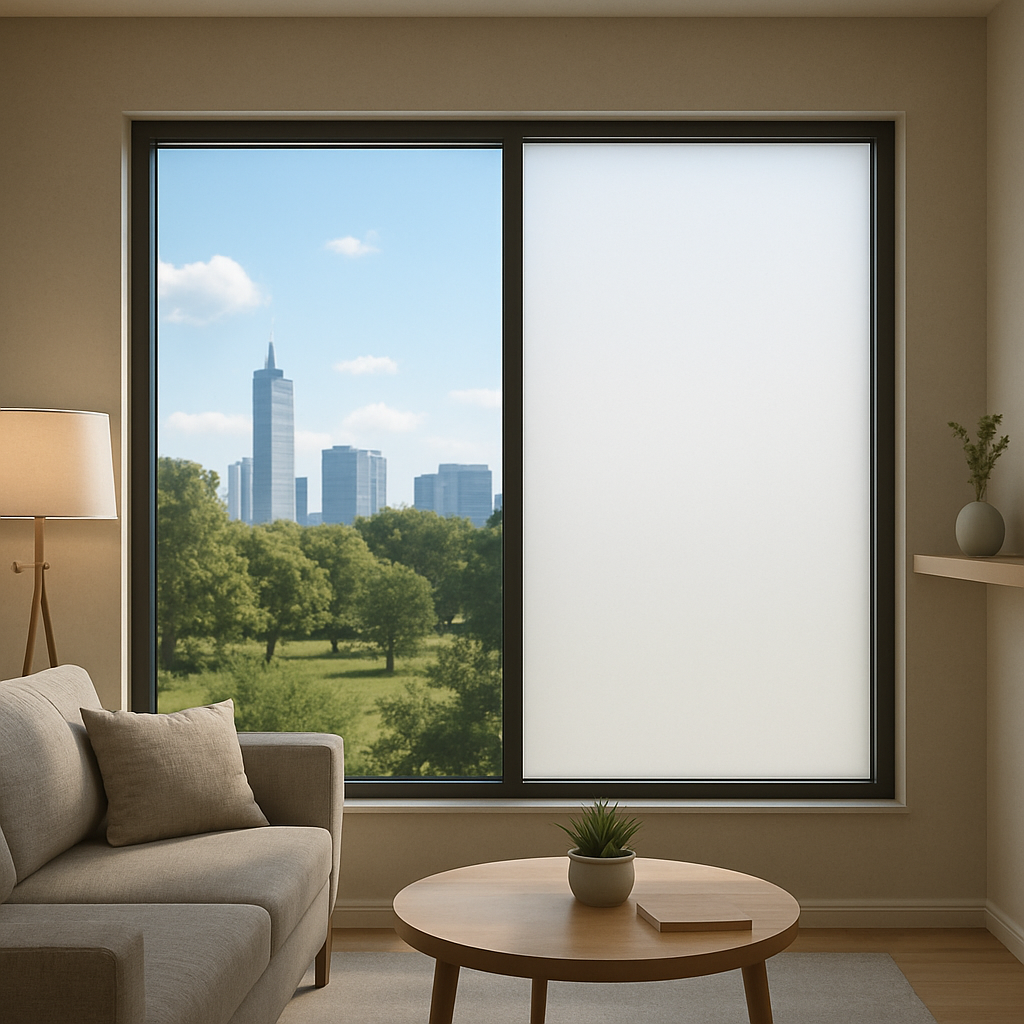
Smart window technology in action

Smart window technology is particularly appealing to homeowners and interior designers seeking to create energy-efficient and comfortable living spaces. By adjusting automatically, these films help maintain optimal indoor temperatures, reducing the need for heating and cooling systems and ultimately lowering energy bills.

Aesthetic Improvements

Next-level house window tint doesn’t just offer practical benefits; it also enhances the visual appeal of a home. With various shades and patterns available, homeowners can choose tints that complement their interior design. Whether you prefer a sleek, modern look or a more traditional style, there’s a window tint that can meet your aesthetic needs.

Benefits of Cutting-Edge Tinting

So, why should you consider upgrading to cutting-edge tinting solutions? Let’s explore some of the key benefits that these advanced films offer.

Energy Efficiency

One of the most significant advantages of smart window technology is its ability to improve energy efficiency. By regulating the amount of heat and light entering your home, these films help maintain a comfortable indoor environment without over-reliance on HVAC systems. This not only reduces energy consumption but also translates into substantial cost savings on utility bills.

Enhanced Privacy and Security

Privacy is a major concern for many homeowners, and next-level house window tint provides an effective solution. Tinted windows prevent outsiders from peering into your home, offering peace of mind without sacrificing natural light. Additionally, certain films are designed to strengthen glass, making it more resistant to breakage and enhancing home security.

UV Protection

Prolonged exposure to UV rays can cause significant damage to your home’s interior, fading furniture, flooring, and artwork. Cutting-edge tinting solutions effectively block harmful UV rays, preserving the quality and appearance of your belongings while protecting your skin from potential harm.

Applications in Interior Design

For interior designers, incorporating smart window technology into their projects can offer unique opportunities to enhance both the functionality and aesthetics of a space.

Seamless Integration

One of the greatest challenges for designers is finding solutions that integrate seamlessly with existing decor. Modern window tints are designed to blend with various design styles, ensuring that they complement rather than clash with your interior vision. From minimalist settings to more ornate spaces, the right tint can add a touch of sophistication and elegance.

Customization Options

Customized window tint design

by Sigmar Schnur (https://unsplash.com/@nanpudagio)

Cutting-edge tinting solutions come with a range of customization options. Designers can choose from different colors, patterns, and opacities to create a look that’s tailored to their client’s preferences. This level of customization allows for a personalized approach that enhances the overall design and adds a unique flair to the space.

Eco-Friendly Design

As sustainability becomes increasingly important, eco-friendly design solutions are in high demand. Smart window technology aligns with this trend, offering an environmentally conscious option that reduces energy consumption and minimizes the carbon footprint of a home. By incorporating these innovative tints into their projects, designers can meet the growing demand for sustainable living spaces.

Choosing the Right Window Tint

With so many options available, selecting the right window tint can be overwhelming. Here are some factors to consider when making your choice:

Assess Your Needs

Before deciding on a window tint, it’s important to assess your specific needs. Are you looking for enhanced privacy, improved energy efficiency, or a particular aesthetic? Understanding your priorities will help you narrow down your options and choose a tint that aligns with your goals.

Consider the Climate

The climate in which you live plays a significant role in determining the effectiveness of different window tints. For example, homes in hotter climates may benefit more from tints that provide high levels of heat rejection, while those in cooler areas may prioritize UV protection and insulation.

Consult a Professional

Working with a professional can make the process of selecting and installing window tints much smoother. An expert can provide valuable insights and recommendations based on your specific requirements and ensure that the installation is done correctly for optimal performance.

Conclusion

Next-level applications of house window tint offer a range of benefits that make them a valuable addition to any home. From smart window technology that enhances energy efficiency to cutting-edge designs that elevate aesthetics, these advanced films provide practical and stylish solutions for modern living. Whether you’re a homeowner looking to improve comfort and privacy or an interior designer seeking innovative ways to enhance your projects, investing in next-level window tints is a smart choice that promises lasting benefits.
Categories
Window Tinting and Film

Why Designers Recommend Solar Film For Home Windows

# Why Designers Recommend Solar Film For Home Windows

Are you searching for a way to enhance your home’s energy efficiency while maintaining its aesthetic appeal? Solar film for home windows might be the ideal solution for you. This article will explore why designers recommend solar film and how it can transform your living space.

Solar film is a thin, transparent layer applied to the interior side of windows. It is designed to reduce heat, glare, and UV rays that enter your home through windows. There are several types of window films available, including solar film, privacy window film, and window insulation film, each serving different purposes.

Different Types of Window Films

  • Solar Film: Primarily used for reducing heat and glare while allowing natural light to enter.
  • Privacy Window Film: Offers increased privacy by obscuring the view into your home from the outside.
  • Window Insulation Film: Enhances insulation to maintain indoor temperatures.

Benefits of Solar Film for Home Windows

Energy Efficiency

One of the main reasons designers recommend solar film is its ability to enhance energy efficiency. By blocking a significant portion of solar heat, solar film reduces the demand on your air conditioning system. This can lead to lower energy bills and a smaller carbon footprint.

Protection from UV Rays

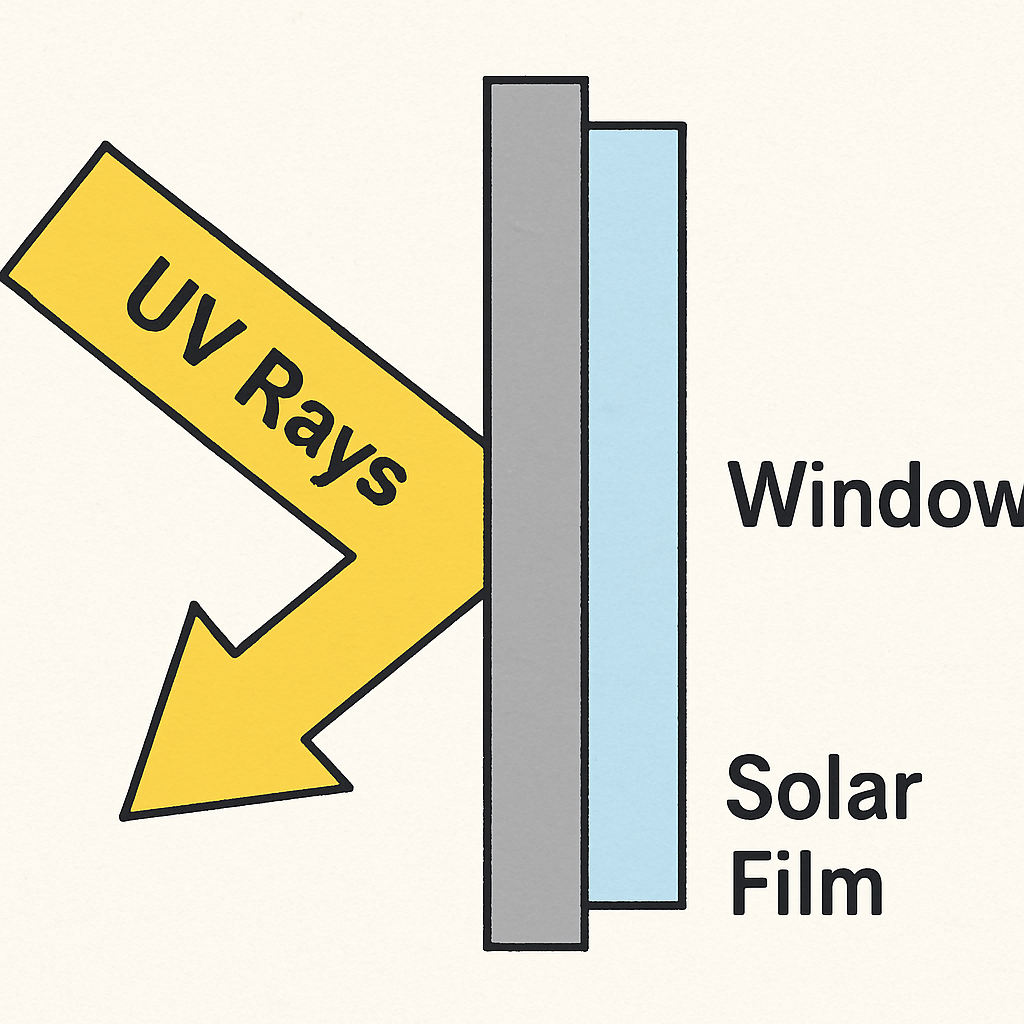
diagram showing UV rays being blocked by solar film

Solar film blocks up to 99% of harmful UV rays. This protection can prevent your furniture, flooring, and artwork from fading over time. By preserving the integrity of your interiors, solar film helps maintain the aesthetic appeal of your home.

Comfort and Glare Reduction

Excessive glare can be a nuisance, especially when watching TV or working on a computer. Solar film reduces glare, allowing you to enjoy your activities without straining your eyes. Additionally, by moderating indoor temperatures, it contributes to a more comfortable living environment.

Enhanced Privacy

Certain types of solar films also offer enhanced privacy. While maintaining visibility from the inside, they obscure the view from the outside. This feature is particularly valuable for homes in densely populated areas or with large, street-facing windows.

Aesthetic Appeal

Solar film is available in various shades and finishes, allowing you to choose a style that complements your home’s décor. Whether you prefer a reflective finish or a more subtle appearance, there’s a solar film that will meet your design preferences.

Installation Process

technician applying solar film to a window

by Michael Kahn (https://unsplash.com/@mklibrary)

Professional Installation

For optimal results, it’s best to have solar film professionally installed. An experienced installer ensures that the film is applied without bubbles or creases, providing a smooth and flawless finish.

DIY Installation

If you’re a DIY enthusiast, you can attempt to install solar film yourself. However, it’s important to follow the manufacturer’s instructions carefully and have the right tools on hand. Keep in mind that professional installation may offer better durability and aesthetics.

Cost-Effectiveness

Solar film is a cost-effective solution for homeowners looking to improve energy efficiency and aesthetics. While the initial investment may vary based on the size and number of windows, the long-term savings on energy bills and the protection of interior furnishings make it a worthwhile investment.

Real-World Examples

Case Study: Contemporary Urban Home

An interior designer was tasked with enhancing the energy efficiency of a contemporary urban home without compromising its sleek design. By choosing a tinted solar film, they were able to reduce glare and heat while maintaining the home’s modern aesthetic. The homeowners reported a noticeable drop in energy bills and a more comfortable living environment.

Case Study: Suburban Family Residence

In a suburban family home, privacy and UV protection were top priorities. The designer selected a dual-reflective solar film that offered privacy during the day and UV protection. The result was a safe, comfortable environment with preserved interior furnishings and reduced energy costs.

How to Choose the Right Solar Film

When selecting solar film, consider the following factors:

  • Objective: Determine if your primary goal is energy efficiency, privacy, or UV protection.
  • Aesthetics: Choose a film that complements your home’s design.
  • Budget: Evaluate the cost of the film and installation versus potential energy savings.

Conclusion

Solar film for home windows is an innovative solution that offers multiple benefits, from energy efficiency to aesthetic enhancement. By choosing the right film and ensuring proper installation, you can transform your home into a more comfortable, stylish, and eco-friendly space. Whether you’re an interior designer or a homeowner, solar film is a versatile option worth considering for your next home improvement project.

Incorporating solar film into your home design is not just about following a trend; it’s about investing in a sustainable, practical, and visually appealing solution. By doing so, you can achieve the perfect balance between form and function.

Consider solar film for your windows today and enjoy the myriad benefits it brings to your living environment.

Categories
Window Tinting and Film

Keep the Cold Out How Window Tinting Works in Winter

# Keep the Cold Out: How Window Tinting Works in Winter

As temperatures drop and winter approaches, keeping your home warm and energy-efficient becomes a priority. While many homeowners turn to traditional methods like insulation and weatherstripping, window tinting is often overlooked. In this article, we’ll explore how window tinting works in winter, its benefits, and why it might be the perfect solution for your home.

Window tinting involves applying a thin film to the interior of your windows. This film can be made of various materials, including polyester, metal, or ceramic, and it’s designed to improve energy efficiency and add privacy. In winter, window tinting serves as a barrier that helps to retain heat, keeping the cold out and the warmth in.

How Window Tinting Works in the Winter

Window tinting in winter works by reducing heat loss through windows, which are typically the weakest point of insulation in a home. According to the U.S. Department of Energy, windows can account for significant heat loss in colder months. Quality window films are engineered to reflect heat back into the room. This process helps maintain a stable indoor temperature and reduces the amount of energy needed to heat your home.

Types of Window Film

There are different types of window films available, each with its own set of benefits:

  1. Solar Control Film: This film is excellent for reducing glare and blocking harmful UV rays. It also helps in retaining heat during the colder months.
  2. Insulating Film: Specifically designed for winter, insulating film enhances the thermal performance of windows, minimizing heat loss.
  3. Decorative Film: While primarily used for aesthetic purposes, decorative films can also provide some degree of insulation.
  4. Security Film: Adds an extra layer of protection against break-ins and strengthens the glass, which can be beneficial during winter storms.

Benefits of Window Tinting in Winter

cozy_home_with_tinted_windows

Improved Energy Efficiency

By reducing heat loss, window tinting significantly improves your home’s energy efficiency. This means your heating system doesn’t have to work as hard, leading to lower energy bills. Improving window performance is also aligned with recommendations from the U.S. Environmental Protection Agency (EPA) on reducing household energy consumption.

Enhanced Comfort

With window tinting, you can enjoy a more comfortable living environment. The film helps to maintain a consistent temperature, reducing cold spots and drafts that often occur around windows.

UV Protection

Winter sun can be just as harmful as summer sun. Window films block up to 99% of UV rays, protecting your furniture, flooring, and other interior elements from fading.

Increased Privacy

Window tinting can also enhance privacy by limiting the view from the outside without obstructing your view from the inside. This feature is particularly valuable during the shorter days of winter when interior lights are on more frequently.

Installation Considerations

When considering window tinting for winter, it’s essential to choose the right type of film and ensure proper installation. Here are some tips to guide you:

Selecting the Right Film

Consider your specific needs when choosing a window film. If energy efficiency is your primary concern, opt for insulating or solar control films. For added security, consider films that offer both thermal and protective benefits.

Professional Installation

While some DIY kits are available, professional installation is recommended for the best results. Experienced installers can ensure the film is applied correctly without bubbles or creases, maximizing its effectiveness.

Real-World Applications

modern_interior_with_window_tint

by Davis Patton (https://unsplash.com/@davispatton)

Let’s look at how window tinting can benefit different types of homes:

Urban Apartments

In city settings, window tinting can help reduce noise pollution while maintaining privacy. It also minimizes heat loss, which is particularly beneficial in older buildings with single-pane windows.

Suburban Homes

For suburban homes, window tinting can enhance curb appeal while providing energy savings. Tinted windows can also add a layer of protection against winter storms.

Historic Properties

Preserving the aesthetic of historic properties is crucial. Decorative films offer a stylish solution that enhances energy efficiency without compromising the building’s character.

Environmental Impact

Window tinting is an eco-friendly option that contributes to energy conservation. By reducing the demand for heating, window films help decrease your carbon footprint, aligning with sustainable living practices.

Conclusion

Incorporating window tinting into your winter home maintenance plan can offer numerous benefits, from improved energy efficiency to enhanced comfort and privacy. Whether you’re an interior designer seeking cost-effective solutions or a homeowner looking to upgrade your living space, window tinting is a smart investment that pays off in the long run. Consider exploring the various options available and consult with a professional to determine the best fit for your home.

Remember, keeping the cold out doesn’t have to mean sacrificing style or comfort. With the right window tint, you can enjoy a cozy, energy-efficient home all winter long.