Categories
Window Tinting and Film

Facts About Frosted Glass Window Film

Frosted glass window film is an elegant and practical solution for adding privacy and style to your home or office. This versatile product can transform the appearance of plain glass windows while providing a host of benefits. Whether you’re an interior designer seeking to enhance a space or a homeowner looking to increase privacy, frosted glass window film offers a cost-effective and stylish solution.

In this comprehensive guide, we’ll explore the various aspects of frosted glass window film, including its benefits, installation process, and design options. We’ll also discuss how this innovative product can meet your specific needs and enhance your living or working environment.

Frosted glass window film is a thin, adhesive layer applied to glass surfaces. It mimics the appearance of frosted or etched glass, providing a translucent look that allows light to pass through while obscuring visibility. This makes it an ideal choice for areas where privacy is desired without sacrificing natural light.

Key Benefits of Frosted Glass Window Film

Frosted glass window film offers a range of benefits that make it a popular choice for both residential and commercial spaces. Here are some of the key advantages:

  1. Enhanced Privacy: One of the primary reasons people choose frosted glass window film is for privacy. It effectively blocks the view from outside while still allowing natural light to filter through, creating a bright and inviting space.
  2. Aesthetic Appeal: With a variety of patterns and designs available, frosted glass window film can enhance the visual appeal of any room. Whether you prefer a modern geometric pattern or a classic frosted look, there’s a design to suit every taste.
  3. Cost-Effective: Compared to replacing existing windows with frosted glass, window film is a cost-effective alternative. It provides the same visual effect at a fraction of the cost, making it an attractive option for budget-conscious homeowners and designers.
  4. Easy Installation: Frosted glass window film is relatively easy to install, and many people choose to do it themselves. However, professional installation is recommended for larger or more complex projects to ensure a flawless finish.
  5. UV Protection: In addition to providing privacy, frosted glass window film also offers UV protection. It can block harmful UV rays, which helps protect your furnishings and flooring from fading over time. According to the U.S. Environmental Protection Agency (EPA), prolonged UV exposure can cause significant material degradation and health risks.
  6. Energy Efficiency: By reducing glare and heat from the sun, frosted glass window film can contribute to energy efficiency. It helps keep indoor spaces cooler in the summer and warmer in the winter, potentially lowering energy bills. The U.S. Department of Energy highlights how window treatments can improve overall building efficiency.

Installing Frosted Glass Window Film

Professional installation of frosted glass window film

While frosted glass window film is relatively easy to install, there are a few important steps to follow to ensure a successful application. Here’s a step-by-step guide to help you through the process:

Step 1: Gather Your Materials

Before you begin, gather the necessary materials, including the frosted glass window film, a spray bottle filled with water and a few drops of dish soap, a squeegee, a utility knife, a measuring tape, and a clean cloth.

Step 2: Clean the Glass Surface

Thoroughly clean the glass surface where the film will be applied. Remove any dirt, dust, or grease to ensure proper adhesion. Use a glass cleaner and a lint-free cloth for the best results.

Step 3: Measure and Cut the Film

Measure the dimensions of the glass and cut the frosted glass window film to fit, leaving a slight overhang on each edge. Use a utility knife and a straight edge to make precise cuts.

Step 4: Apply the Film

Spray the glass surface with the soapy water mixture. This will help position the film and remove air bubbles. Peel off the backing from the film and carefully place it on the glass, starting from the top and working your way down.

Step 5: Smooth Out the Film

Use a squeegee to smooth out the film, starting from the center and working towards the edges. This will remove any air bubbles and excess water. Wipe away any remaining moisture with a clean cloth.

Step 6: Trim the Edges

Once the film is securely in place, use a utility knife to trim away any excess film along the edges of the glass. Be careful not to scratch the glass surface.

Step 7: Final Inspection

Inspect the film for any remaining bubbles or imperfections. Smooth out any areas that need adjustment and ensure the film is securely adhered to the glass.

Design Options for Frosted Glass Window Film

Frosted glass window film comes in a wide range of designs, allowing you to customize the look to suit your style and preferences. Here are some popular design options:

  1. Classic Frosted Look: This timeless design mimics the appearance of traditional frosted glass, providing a clean and sophisticated look.
  2. Geometric Patterns: For a modern touch, consider frosted glass window film with geometric patterns. These designs can add visual interest and complement contemporary interiors.
  3. Nature-Inspired Designs: Bring the outdoors inside with frosted glass window film featuring nature-inspired motifs, such as leaves, flowers, or trees.
  4. Custom Designs: Some manufacturers offer custom design options, allowing you to create a unique look that reflects your personal style or brand identity.

Enhancing Your Space with Privacy Window Film

Interior view of a room with frosted glass window film

by Loris (https://unsplash.com/@loriskskp)

Privacy window film is an excellent choice for enhancing both residential and commercial spaces. It provides privacy, style, and functionality, making it a versatile solution for a variety of applications.

Residential Applications

In homes, frosted glass window film is commonly used in bathrooms, bedrooms, and entryways to provide privacy without sacrificing natural light. It’s also a popular choice for glass doors, sidelights, and transom windows.

Commercial Applications

In commercial settings, frosted glass window film is often used in conference rooms, offices, and storefronts to create a professional and private environment. It can also be used to display logos or branding elements, adding a personalized touch to business spaces.

Conclusion

Frosted glass window film is a versatile and stylish solution for adding privacy and enhancing the aesthetic appeal of your space. With its range of benefits, easy installation, and design options, it’s no wonder that more homeowners and designers are turning to this innovative product.

Whether you’re looking to increase privacy, improve energy efficiency, or simply update the look of your windows, frosted glass window film offers a practical and cost-effective solution. By understanding the benefits and installation process, you can confidently choose the right option for your needs and enjoy the enhanced beauty and functionality it brings to your space.

::contentReference[oaicite:0]{index=0}

Categories
Window Tinting and Film

Top Industry Insights on Heat Control Window Film

When it comes to enhancing the comfort and efficiency of a home, heat control window film stands out as a remarkable solution. This innovative product not only improves energy efficiency but also adds a layer of style and protection to windows. Whether you’re an interior designer looking to offer your clients eco-friendly solutions or a homeowner aiming to reduce energy costs, understanding the benefits of window films is essential.

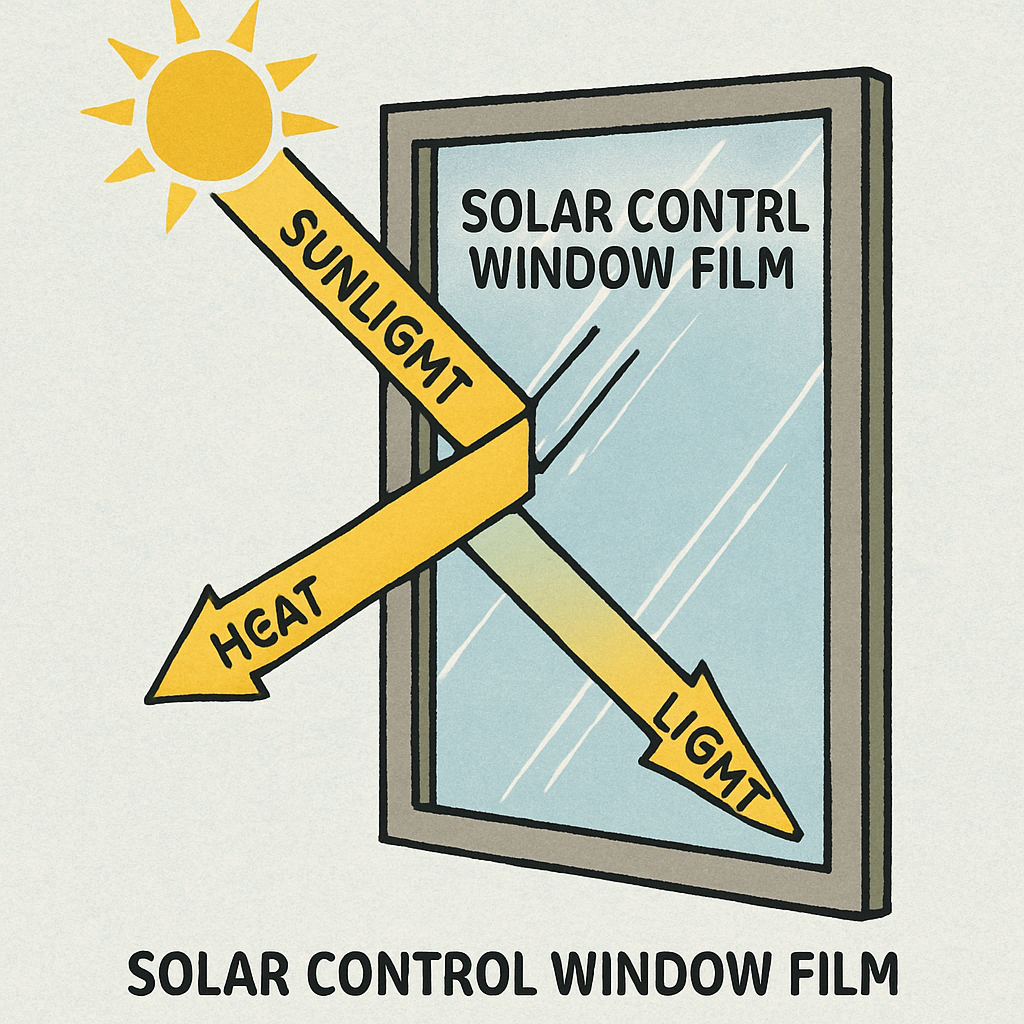
Heat control window film is a thin, multi-layered polyester film applied to the interior surface of windows. It works by reflecting and absorbing solar energy, thus reducing heat gain in the summer and heat loss in the winter. This helps maintain a consistent indoor temperature, which can significantly lower energy consumption. According to the U.S. Department of Energy, properly selected window treatments can play a critical role in reducing unwanted heat gain and improving overall home efficiency.

Key Features of Heat Control Window Film

  1. Energy Efficiency: By reducing the need for heating and cooling, window film can decrease energy bills.
  2. UV Protection: Blocks up to 99% of harmful UV rays, protecting furniture and flooring from fading. The U.S. Environmental Protection Agency (EPA) also highlights the importance of minimizing UV exposure to protect indoor environments.
  3. Glare Reduction: Minimizes glare on screens, making living spaces more comfortable.
  4. Privacy and Security: Offers an added layer of privacy and can strengthen glass to prevent shattering.

Benefits of Window Insulation Film

window_insulation_film_application

Enhancing Comfort and Efficiency

One of the primary advantages of window insulation film is its ability to improve indoor comfort. During hot months, it reflects solar heat, keeping interiors cooler without excessive reliance on air conditioning. In colder months, it reduces heat loss, helping maintain a warmer environment. This balancing act ensures a comfortable living space year-round.

Cost-Effective Solution for Homeowners

For homeowners, investing in heat control window film is a cost-effective strategy. The reduction in energy usage leads to lower utility bills, and the film itself is generally less expensive than replacing windows with energy-efficient models. It’s a budget-friendly way to achieve substantial savings over time. Homeowners looking to maximize performance should also consider choosing an energy-efficient window tint to further enhance long-term savings.

Aesthetic and Functional Appeal

Window film doesn’t just offer functional benefits; it also enhances the aesthetic appeal of a home. Available in various shades and styles, it can complement any interior design while maintaining the view outside. This makes it an attractive choice for interior designers seeking to blend style with function.

Choosing the Right Window Film for Heat Control

Assessing Your Needs

Before selecting a window film, it’s important to assess the specific needs of your home or project. Consider factors like climate, window orientation, and the level of privacy desired. These elements will guide you in choosing a film that best suits your requirements.

Types of Heat Control Window Films

  1. Reflective Films: These films are highly effective in reducing solar heat gain. They have a mirrored appearance and are ideal for areas with intense sunlight.
  2. Ceramic Films: Known for their clarity, ceramic films provide excellent heat reduction without altering the appearance of windows.
  3. Dyed Films: These offer moderate heat control and glare reduction, usually at a lower cost. They add a subtle tint to windows, enhancing privacy.
  4. Dual-Reflective Films: These films are reflective on the exterior and less so on the interior, preserving indoor visibility while controlling heat.

Professional Installation vs. DIY

While some may consider DIY installation, professional installation ensures optimal performance and longevity of the film. Professionals have the expertise to handle complex installations, particularly for large or high windows, and can guarantee a flawless finish.

Industry Trends in Heat Control Window Film

modern_window_film_technology

by Alvaro Guerrero (https://unsplash.com/@alvarosgm)

Technological Advancements

The window film industry is continuously evolving with technological advancements. Recent developments include films with enhanced infrared rejection capabilities and those that integrate smart technology, allowing for dynamic adjustments based on weather conditions. These innovations promise even greater energy savings and comfort. Programs such as ENERGY STAR also highlight the importance of certified energy-efficient window solutions.

Growing Demand for Sustainable Solutions

With increasing awareness of environmental issues, there is a growing demand for sustainable home improvement solutions. Heat control window films align with this trend by offering an eco-friendly way to improve energy efficiency. They help reduce carbon footprints while enhancing home comfort.

Integration with Smart Home Systems

Modern window films are now being integrated into smart home systems. This allows homeowners to control the level of tint and glare from their smartphones or through automated systems, optimizing comfort and efficiency based on real-time data.

Conclusion: The Future of Window Film

The future of heat control window film is bright, with ongoing innovations and a strong push towards sustainability. For interior designers, this means more opportunities to provide clients with stylish, energy-efficient solutions that enhance living spaces. For homeowners, it represents a smart investment in comfort, aesthetics, and energy savings.

By understanding the capabilities and benefits of heat control window film, you can make informed decisions that improve your living environment. Whether you’re looking to reduce energy costs, protect furnishings, or simply enjoy a more comfortable home, window film offers a versatile and effective solution.

Investing in heat control window film is not just a step towards better energy efficiency; it’s a commitment to a more sustainable and comfortable lifestyle. As the industry continues to innovate, the possibilities for enhancing home comfort and aesthetics are virtually limitless.

Categories
Window Tinting and Film

Why Designers Recommend Window Film For Home

In the world of interior design, the smallest details can make the biggest impact. One such detail, often overlooked yet incredibly effective, is window film. Whether you’re aiming for enhanced privacy, improved energy efficiency, or simply a stylish upgrade, window film can be an exceptional choice for homeowners. In this article, we’ll explore the reasons why designers highly recommend window film for homes, focusing on its benefits and applications.

Window film is a thin layer of polyester or vinyl that adheres to the glass surface of windows. It comes in a variety of designs, including tinted, reflective, and decorative options, allowing homeowners to choose what best suits their needs. Window film can be used for multiple purposes, ranging from privacy enhancement to energy efficiency.

Types of Window Film

  • Privacy Window Film: This type of film is designed to obscure the view from the outside, making it ideal for bathrooms, bedrooms, or any room where privacy is desired. It allows natural light to enter while keeping prying eyes out.
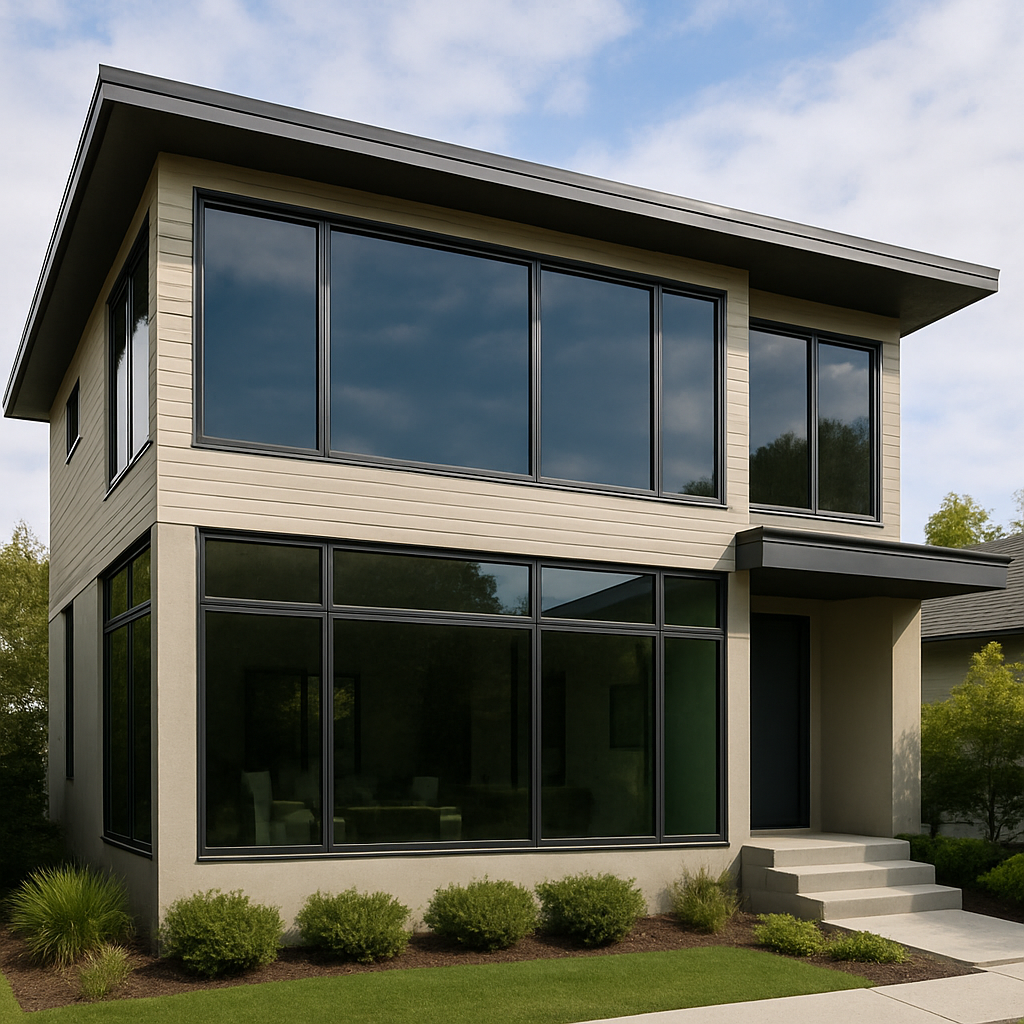
  • Tinted Window Film: Tinted films reduce glare and heat from the sun, making them perfect for living rooms or home offices where screen glare can be a nuisance. They also contribute to energy savings by reducing the need for air conditioning.
  • Decorative Window Film: Available in an array of patterns and designs, decorative films add a touch of style to any room. They can mimic the look of frosted or etched glass at a fraction of the cost.

Benefits of Window Film

Home with tinted window film

Enhanced Privacy

One of the primary reasons homeowners install window film is to enhance privacy. Unlike traditional curtains or blinds that can block out natural light, privacy window films maintain a bright and airy feel in the room while keeping it private. This is particularly beneficial in urban settings where homes are closely situated.

Improved Energy Efficiency

Energy efficiency is a significant concern for many homeowners. Tinted window films can play a pivotal role in reducing energy consumption by blocking up to 99% of harmful UV rays and reflecting solar heat. This not only helps in maintaining a comfortable indoor temperature but also reduces the strain on cooling systems, ultimately leading to lower energy bills.

UV Protection

Prolonged exposure to UV rays can cause furnishings, flooring, and artwork to fade over time. Window film acts as a protective barrier, safeguarding your interior decor from sun damage and preserving the vibrant colors of your home’s furnishings.

Cost-Effective Solution

Compared to replacing windows or installing expensive window treatments, window film is a cost-effective solution that offers immediate benefits. It provides the look and feel of more expensive glass treatments without the hefty price tag.

Easy Installation and Maintenance

Window film is relatively easy to install, and many homeowners can even apply it themselves. Additionally, it requires minimal maintenance, making it a convenient choice for busy households. A simple wipe with a damp cloth is usually enough to keep it looking pristine.

Applications in Interior Design

Modern interior with decorative window film

by Taweesak Jang (https://unsplash.com/@oncepeet)

Interior designers often recommend window film for its versatility and ability to complement various design styles. Here are a few ways window film can be integrated into home design:

Creating Ambience

Decorative window films can create a specific mood or ambience in a room. For instance, a frosted film can give a bathroom a spa-like feel, while a colorful pattern can add a playful touch to a child’s room.

Highlighting Architectural Features

Window films can be used to accentuate architectural features of a home. By selectively applying film to certain windows, you can draw attention to unique elements like bay windows or skylights.

Enhancing Security

While not immediately apparent, some window films can enhance the security of your home. Security films are designed to hold shattered glass together, making it harder for intruders to break in and reducing the risk of injury from broken glass.

Choosing the Right Window Film

With so many options available, choosing the right window film can be a daunting task. Here are a few tips to help make the selection process easier:

  • Identify Your Needs: Determine what you want to achieve with window film. Is it privacy, energy efficiency, or decoration? This will guide your choice of film.
  • Consider the Room: Different rooms have different requirements. For instance, a living room might benefit from tinted film to reduce glare, while a bathroom might need privacy film.
  • Seek Professional Advice: Consulting with a professional can provide insights into the best options for your specific needs and ensure proper installation.

Conclusion

Window film is a versatile and practical solution for enhancing the comfort and aesthetics of a home. Whether you’re an interior designer looking to offer clients eco-friendly, stylish solutions, or a homeowner seeking to improve privacy and energy efficiency, window film can be an invaluable addition to your design toolkit.

Embrace the potential of window film to transform your living spaces, and you’ll discover an affordable, effective way to enhance your home’s beauty and functionality.

By incorporating window film into your design projects, you not only add value to your home but also contribute to a more sustainable and energy-efficient living environment.